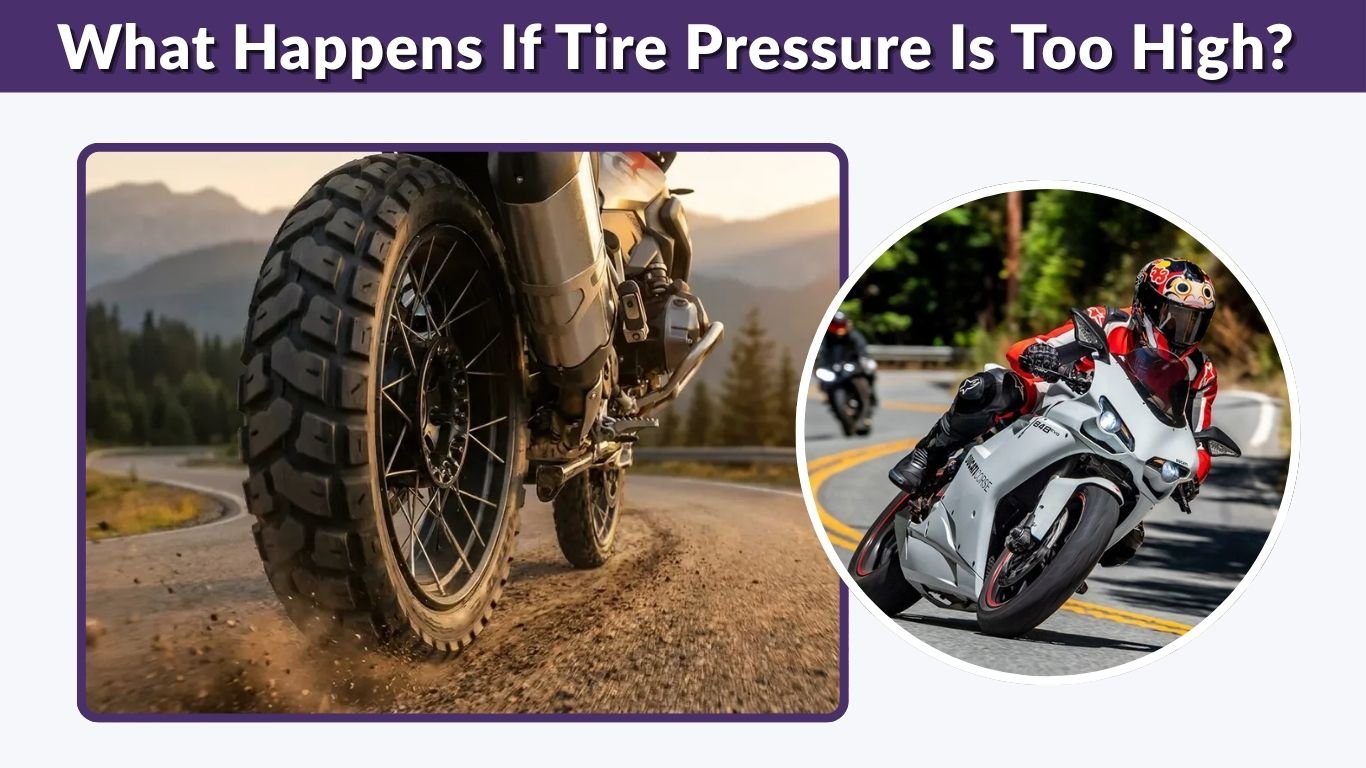
Tire pressure directly affects vehicle safety, comfort, and performance. But what happens if tire pressure is too high? Overinflated tires can reduce road traction, cause uneven tread wear, and create an uncomfortable driving experience. Excessive pressure may also increase the risk of tire damage when driving over potholes or rough roads. Although slightly higher pressure does not always create immediate danger, prolonged overinflation can affect tire durability. Understanding the symptoms, risks, and proper tire pressure levels helps drivers maintain safer driving conditions and avoid unnecessary replacement costs.
What Happens When Tire Pressure Is Too High?
When tire pressure exceeds the vehicle manufacturer’s recommended level, the tire becomes stiffer and may not maintain its intended contact with the road. This condition is called tire overinflation. It can affect handling, braking performance, and ride comfort, especially during challenging driving conditions.
How Overinflation Affects Tires
Overinflated tires cannot absorb road bumps as effectively as properly inflated tires. Excessive pressure can also concentrate wear toward the center of the tread, shortening tire lifespan.
The severity depends on how much pressure exceeds the recommendation, tire construction, vehicle load, and road conditions.
7 Dangers of Driving With Overinflated Tires
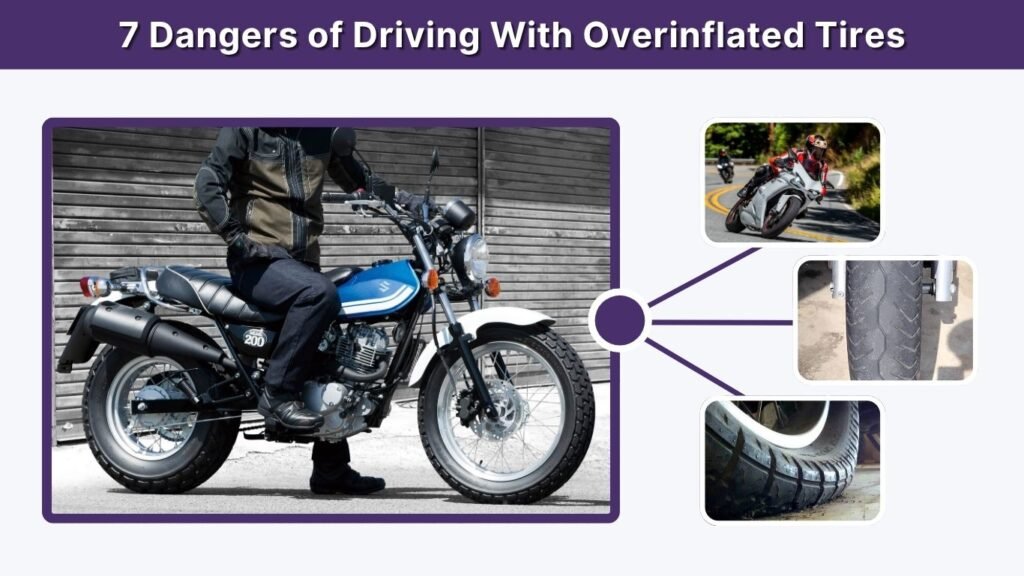
Excessive tire pressure can create several problems affecting safety, comfort, and durability. Some effects become noticeable immediately, while others develop gradually through repeated driving. Understanding these risks helps drivers recognize when their tires need attention.
1. Reduced Road Traction
Overinflation can change the tire’s contact patch and reduce effective road grip. This may affect vehicle stability during sharp turns, sudden braking, or driving on slippery surfaces.
2. Uneven Tire Tread Wear
Excessive pressure commonly causes the center of the tire tread to wear faster than the outer edges. Continued driving under these conditions can shorten tire life and increase replacement expenses.
3. Rough and Uncomfortable Ride
Overinflated tires become less flexible and absorb fewer road vibrations. As a result, bumps, cracks, and uneven pavement feel more noticeable to drivers and passengers.
4. Increased Risk of Tire Damage
Stiffer tires are less capable of absorbing sudden road impacts. Hitting potholes or curbs may damage the tread, sidewall, or internal tire structure, potentially leading to tire failure.
5. Reduced Braking Performance
Excessive tire pressure can affect road contact during braking. Under certain conditions, reduced grip may increase stopping distance, especially on wet or slippery pavement.
6. Changes in Vehicle Handling
Overinflated tires may make steering feel unusually sensitive or less predictable. Drivers can experience changes in vehicle response during cornering, sudden maneuvers, or travel over uneven roads.
7. Shorter Tire Lifespan
Center tread wear and increased vulnerability to impact damage can shorten tire service life. Maintaining recommended pressure helps prevent avoidable wear and replacement costs.
What Are the Symptoms of Overinflated Tires?
Overinflated tires do not always look noticeably different. However, several warning signs may appear during regular driving. Recognizing these symptoms early can help prevent further damage and improve overall vehicle performance.
Common Signs of High Tire Pressure
- Center tread wear: The middle tread wears faster than the shoulders.
- Rough ride: Road bumps feel harder than usual.
- Reduced traction: The vehicle may feel less stable during braking or turning.
- Sensitive steering: Steering responses may feel unusually sharp.
- Increased vibration: Road irregularities become more noticeable.
- High PSI reading: A cold-tire pressure measurement exceeds the manufacturer’s recommendation.
A reliable tire pressure gauge is the best way to confirm overinflation because these symptoms may also have other causes.
How Much Tire Pressure Is Too High?
Tire pressure is considered too high when its cold inflation pressure exceeds the vehicle manufacturer’s recommendation. However, the correct PSI varies between vehicles, tire sizes, and loading conditions. Understanding the difference between recommended and maximum pressure helps prevent incorrect inflation.
Recommended Tire Pressure
Many passenger vehicles recommend approximately 30–35 PSI, although some require higher or lower pressures.
For example, if a vehicle recommends 32 PSI, inflating its tires to 40 PSI when cold would exceed the intended operating pressure.
Maximum PSI vs. Recommended PSI
The maximum pressure printed on a tire’s sidewall is not the recommended everyday inflation pressure.
Always use the vehicle’s tire information label, usually located on the driver’s door jamb, or consult the owner’s manual.
Can High Tire Pressure Cause a Blowout?
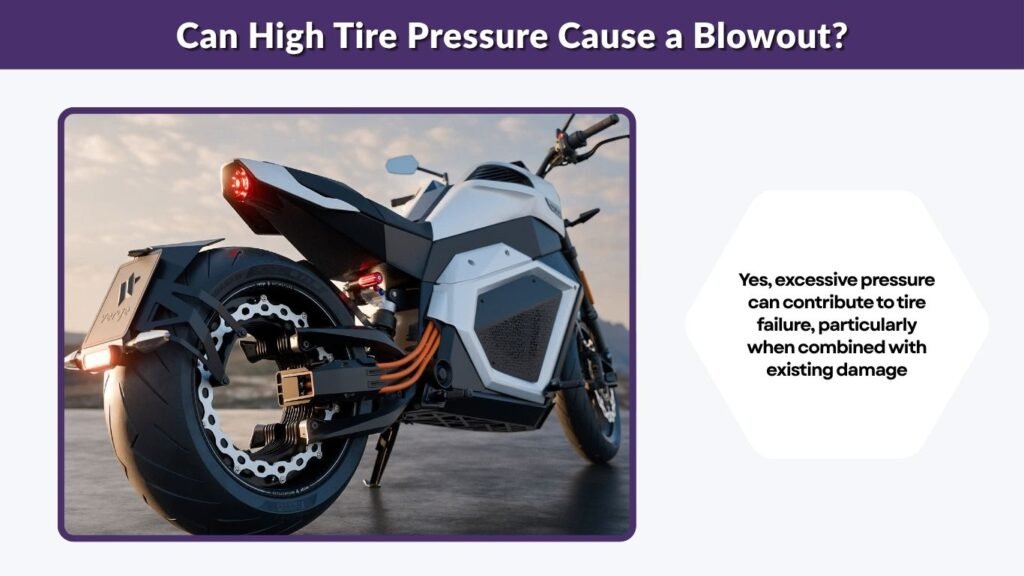
Yes, excessive pressure can contribute to tire failure, particularly when combined with existing damage, severe road impacts, or inflation beyond tire limits. However, moderate overinflation does not automatically cause a blowout.
Why Excessive Pressure Can Be Dangerous
Higher pressure makes tires stiffer and less capable of absorbing sharp impacts.
When an overinflated tire strikes a pothole or curb, the impact can damage its internal structure. Severe damage may result in sudden air loss or eventual tire failure.
Underinflation is also an important cause of tire failure, so maintaining proper pressure is essential.
How to Fix Tire Pressure That Is Too High
Correcting excessive tire pressure is straightforward when proper measurements are used. The goal is to adjust inflation to the manufacturer’s recommended cold PSI without releasing unnecessary air.
Steps to Lower Tire Pressure
- Park the vehicle in a safe location.
- Allow the tires to cool for approximately three hours after driving.
- Find the recommended PSI on the vehicle’s tire information label.
- Measure tire pressure using a reliable gauge.
- Press the valve stem pin gently to release excess air.
- Recheck pressure and adjust until it matches the recommendation.
- Replace the valve cap and check the remaining tires.
Never release air from a hot tire simply because its pressure is above the recommended cold PSI. Pressure naturally increases as tires warm during driving.
How to Prevent Tire Overinflation
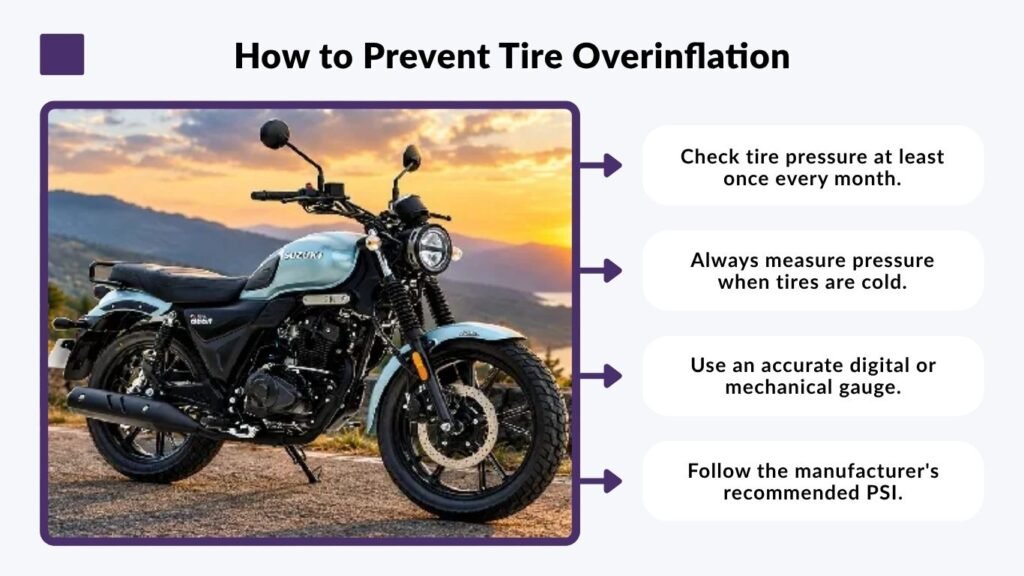
Preventing overinflation requires regular pressure checks and correct inflation practices. Temperature changes, inaccurate gauges, and improper inflation can all contribute to higher-than-recommended pressure.
Tire Pressure Maintenance Tips
- Check tire pressure at least once every month.
- Always measure pressure when tires are cold.
- Use an accurate digital or mechanical gauge.
- Follow the manufacturer’s recommended PSI.
- Inspect pressure before long-distance trips.
- Recheck inflation during seasonal temperature changes.
Maintaining proper pressure helps preserve tire condition and provides more consistent handling and ride comfort.
FAQs
1. Is 40 PSI Too High for Tires?
It depends on the vehicle. If the recommended pressure is 32 PSI, then 40 PSI is too high. Some vehicles, however, require approximately 40 PSI or more.
2. Can You Drive With Overinflated Tires?
Slight overinflation may not create immediate danger, but excessive pressure can affect handling, traction, and tire wear. Correct the pressure before normal driving.
3. Does High Tire Pressure Cause Uneven Wear?
Yes. Overinflation can cause the center of the tread to wear faster than the outer edges, reducing tire lifespan.
4. Does Tire Pressure Increase While Driving?
Yes. Tire pressure naturally increases as tires warm during driving. Always compare readings against recommended pressure when the tires are cold.
5. Can Overinflated Tires Explode?
Severe overinflation, tire damage, or strong road impacts can contribute to sudden tire failure. Proper inflation and regular inspections help reduce the risk.