
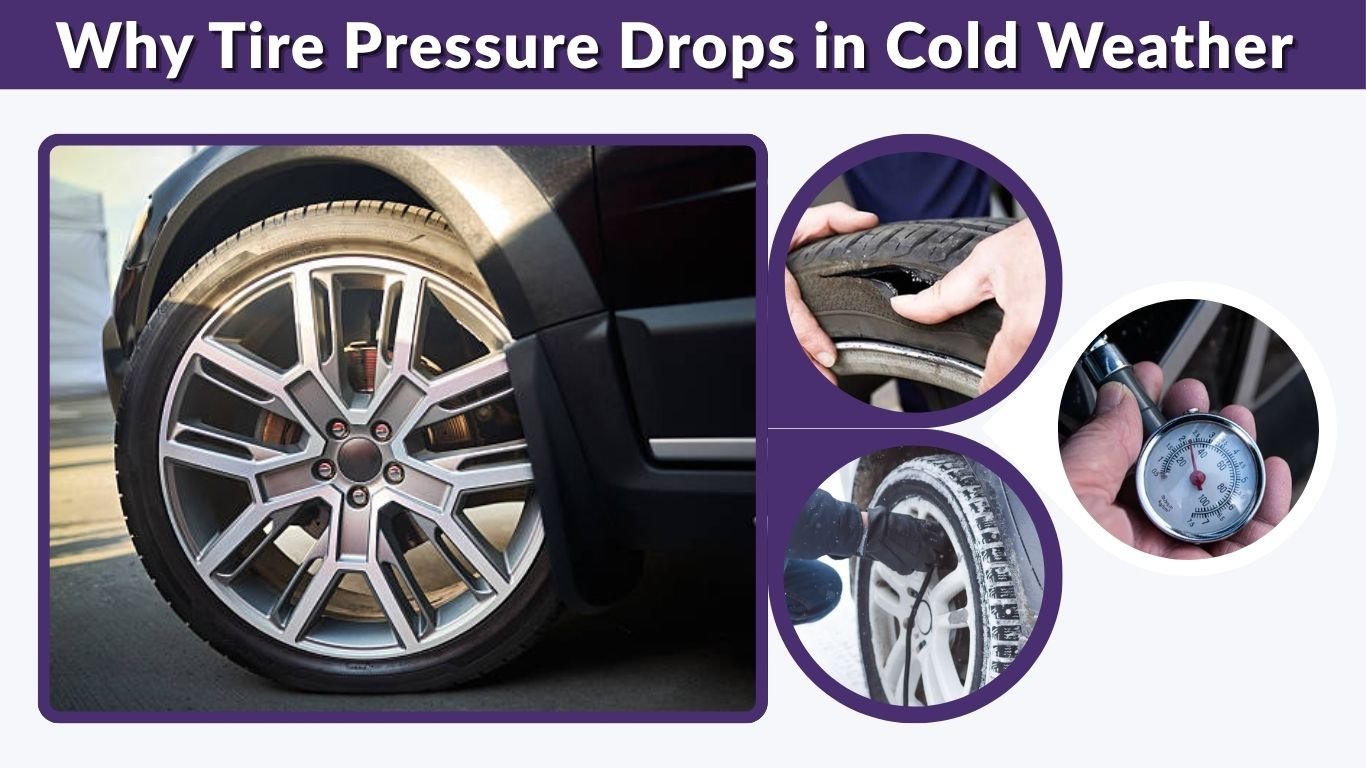
Have you ever noticed your tire pressure warning light turning on during a freezing morning? Cold weather can cause tire pressure to drop even when your tires have no leaks or damage. As temperatures fall, the air inside your tires cools, reducing its pressure. This change can affect handling, fuel efficiency, and tire performance. Understanding why tire pressure drops in cold weather helps you maintain proper inflation, avoid unnecessary repairs, and drive safely during winter. Here’s what happens and how to manage it.
Why Does Tire Pressure Drop in Cold Weather?
Tire pressure drops in cold weather because the air inside the tire responds to lower temperatures. As the air cools, its molecules move more slowly, creating less pressure against the tire’s inner walls. This natural physical process explains why properly inflated tires may show lower PSI readings when winter arrives.
How Cold Temperatures Affect Air Pressure
Air pressure inside a tire depends partly on temperature. When temperatures rise, air molecules move faster, increasing pressure. When temperatures fall, molecular movement slows, causing the pressure to decrease.
This relationship follows the ideal gas law, which describes how gas pressure changes with temperature under approximately constant-volume conditions.
For example, tires inflated correctly during warm autumn weather may register several PSI lower during a winter cold snap.
The drop does not necessarily mean air has escaped. Instead, the existing air produces less pressure because its temperature has decreased.
Why Car Tires Are Sensitive to Temperature Changes
Car tires contain pressurized air that supports the vehicle’s weight and maintains the tire’s shape. Even relatively small changes in internal pressure can affect tire performance.
Cold temperatures also make rubber compounds less flexible, particularly in tires not designed for winter conditions. However, this rubber stiffness is separate from the primary reason pressure decreases.
Temperature-related pressure changes are normal, but maintaining the manufacturer’s recommended inflation pressure remains important throughout the year.
How Much Does Tire Pressure Drop in Cold Weather?
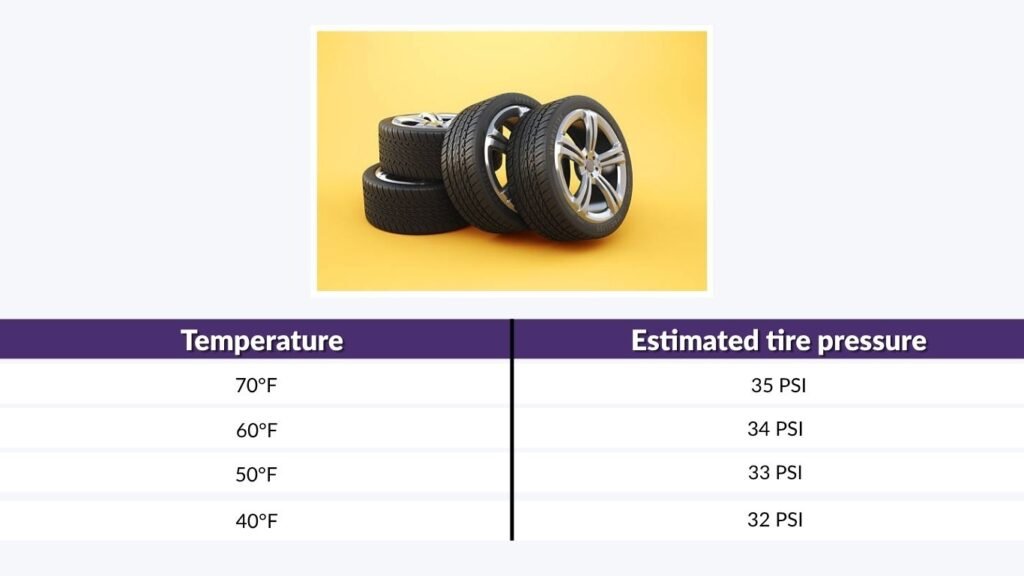
The amount of tire pressure lost depends on how far the temperature falls, the initial inflation pressure, and the tire’s characteristics. A commonly used guideline for passenger vehicles is that tire pressure decreases approximately 1 PSI for every 10°F (about 5.6°C) drop in temperature.
Understanding the 1 PSI Rule
Consider a vehicle whose tires measure 35 PSI when the temperature is 70°F.
If the temperature falls to 30°F, the tires could measure approximately 31 PSI without any puncture or unusual air leakage.
The following table illustrates this approximate relationship:
| Temperature | Estimated tire pressure |
| 70°F | 35 PSI |
| 60°F | 34 PSI |
| 50°F | 33 PSI |
| 40°F | 32 PSI |
| 30°F | 31 PSI |
| 20°F | 30 PSI |
These are illustrative readings, not recommended inflation pressures. Actual changes vary between vehicles and tires.
Why Tire Pressure Drops After the First Snowfall
Drivers frequently notice reduced tire pressure around the first snowfall because temperatures may have fallen substantially since their previous pressure check.
Snow itself does not directly remove air from tires. Instead, colder surrounding temperatures lower the air pressure inside them.
If several tires show similar decreases after a cold night, temperature is often the main explanation.
Why Does My Tire Pressure Keep Dropping?
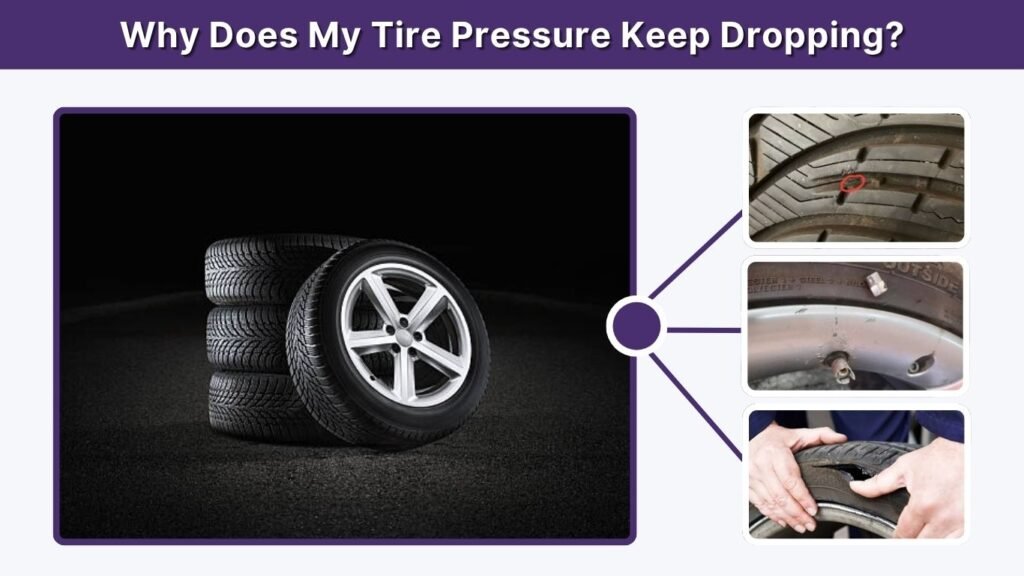
Repeated pressure loss may result from seasonal temperature changes, natural air diffusion, or a mechanical problem. Although minor fluctuations are normal, pressure that continually decreases after inflation deserves attention, especially when one tire loses significantly more pressure than the others.
Natural Tire Pressure Loss
Even in stable temperatures, tires slowly lose air over time through normal permeation.
As temperatures fluctuate throughout autumn and winter, this gradual loss combines with temperature-related pressure changes.
A vehicle that has not had its tire pressure checked for several months may therefore experience noticeably low readings when colder weather arrives.
Regular pressure checks help distinguish normal fluctuations from unusual air loss.
Other Reasons Your Tire Pressure Keeps Dropping
If tire pressure continues falling after proper inflation, possible causes include:
- Small punctures: Nails, screws, and sharp objects can create slow air leaks.
- Damaged valve stems: Worn or defective valves may allow pressurized air to escape.
- Wheel rim problems: Corrosion or damage around the bead-sealing surface can cause leaks.
- Tire damage: Cracks, sidewall injuries, or deteriorated sealing surfaces may reduce the tire’s ability to retain air.
- Incorrect previous inflation: Tires adjusted while warm may show lower readings after cooling.
A technician can perform a leak inspection if pressure loss continues despite stable temperatures.
Why Does the Tire Pressure Warning Light Come On in Cold Weather?
Many modern vehicles use a Tire Pressure Monitoring System (TPMS) to alert drivers when tire pressure becomes significantly low. Cold temperatures can trigger this warning when inflation falls below the system’s programmed threshold.
Why the Warning Light Appears on Cold Mornings
Overnight temperature drops can reduce tire pressure enough to activate the TPMS warning.
After driving, tire temperatures rise because of road contact and repeated flexing. This warming increases internal pressure, sometimes causing the warning to disappear.
However, a disappearing warning does not guarantee that the tires are properly inflated.
If the warning appears, check every tire with a reliable pressure gauge rather than assuming the problem is caused only by cold weather.
A warning that persists after correcting the pressure may require further inspection or a TPMS reset according to the vehicle manual.
How to Check and Adjust Tire Pressure in Cold Weather
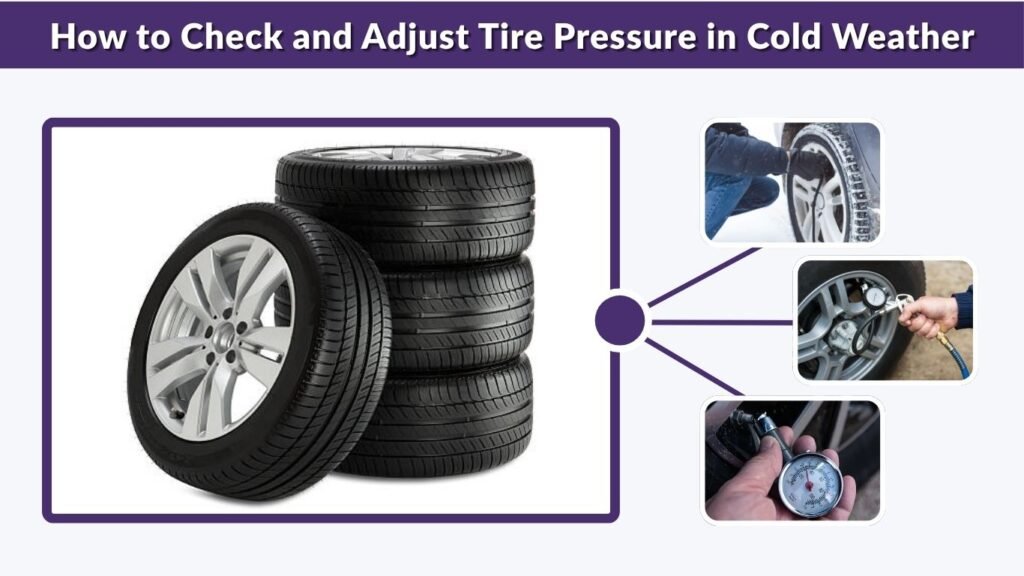
Checking tire pressure during winter is straightforward, but timing matters. Tire pressure should ideally be measured before driving, when the tires are cold. Accurate measurements help prevent underinflation while avoiding unnecessary adjustments caused by temporary warming during driving.
Step-by-Step Tire Pressure Checking Guide
Follow these steps to maintain the correct pressure:
- Check when tires are cold: Park for at least three hours before measuring pressure.
- Find the recommended PSI: Read the tire information label on the driver’s doorjamb or consult the owner’s manual.
- Use an accurate gauge: Remove the valve cap and press the gauge firmly against the valve stem.
- Compare the reading: Check whether the measured PSI matches the vehicle manufacturer’s cold inflation recommendation.
- Add air when necessary: Inflate underpressurized tires to the specified cold PSI.
- Check all tires: Measure each tire, including the spare when applicable, and replace the valve caps.
Remember that front and rear tires sometimes require different inflation pressures.
Should You Add Extra Air During Winter?
You should inflate tires to the vehicle manufacturer’s recommended cold pressure, not automatically add extra PSI simply because winter has arrived.
Do not use the maximum pressure printed on the tire sidewall as your normal inflation target.
If tires are warm from driving or have been stored in a heated garage, their readings may differ from those measured outdoors in freezing conditions.
Avoid releasing air from warm tires simply because their pressure appears higher than the cold recommendation. Recheck them after they cool.
How to Prevent Low Tire Pressure During Winter
Although temperature-related pressure changes cannot be eliminated, regular maintenance prevents unnecessary underinflation. Keeping tires correctly inflated supports predictable vehicle handling, reduces excessive tire wear, and helps maintain fuel efficiency during cold-weather driving.
Essential Winter Tire Maintenance Tips
- Check pressure monthly: Measure tire pressure regularly and before long journeys.
- Monitor temperature changes: Recheck inflation after significant cold snaps.
- Inspect your tires: Look for punctures, cracks, damaged valves, and other visible problems.
- Maintain proper PSI: Follow the vehicle manufacturer’s recommended cold tire pressure.
- Respond to warnings: Investigate TPMS alerts instead of assuming they are harmless.
Is Driving With Low Tire Pressure Dangerous?
Driving with insufficient tire pressure can affect steering response, braking performance, and vehicle stability.
Underinflated tires also flex more while rolling, generating additional heat and potentially increasing tire wear.
These problems are especially concerning during winter, when snow, ice, and wet pavement already reduce available traction.
Proper inflation helps your tires perform as intended, although it cannot replace suitable tires and careful driving on slippery roads.
FAQs
1. Does Cold Weather Permanently Reduce Tire Pressure?
No. Temperature-related pressure decreases are generally reversible. Pressure rises again as the air warms, although any air actually lost must be replaced.
2. Why Does Only One Tire Lose Pressure in Cold Weather?
One tire losing substantially more pressure than the others may have a puncture, valve problem, or bead-seal leak requiring inspection.
3. Does Tire Pressure Return to Normal When It Gets Warm?
Tire pressure usually increases as temperatures rise. However, warming does not replace air lost through natural diffusion or leaks.
4. Can Cold Weather Cause Tire Pressure to Drop Overnight?
Yes. A significant overnight temperature decrease can lower tire pressure enough to trigger the vehicle’s low-pressure warning system.
5. Should I Inflate My Tires More Often During Winter?
Check them at least monthly and after major temperature changes. Add air whenever the cold readings fall below the manufacturer’s recommendation.