
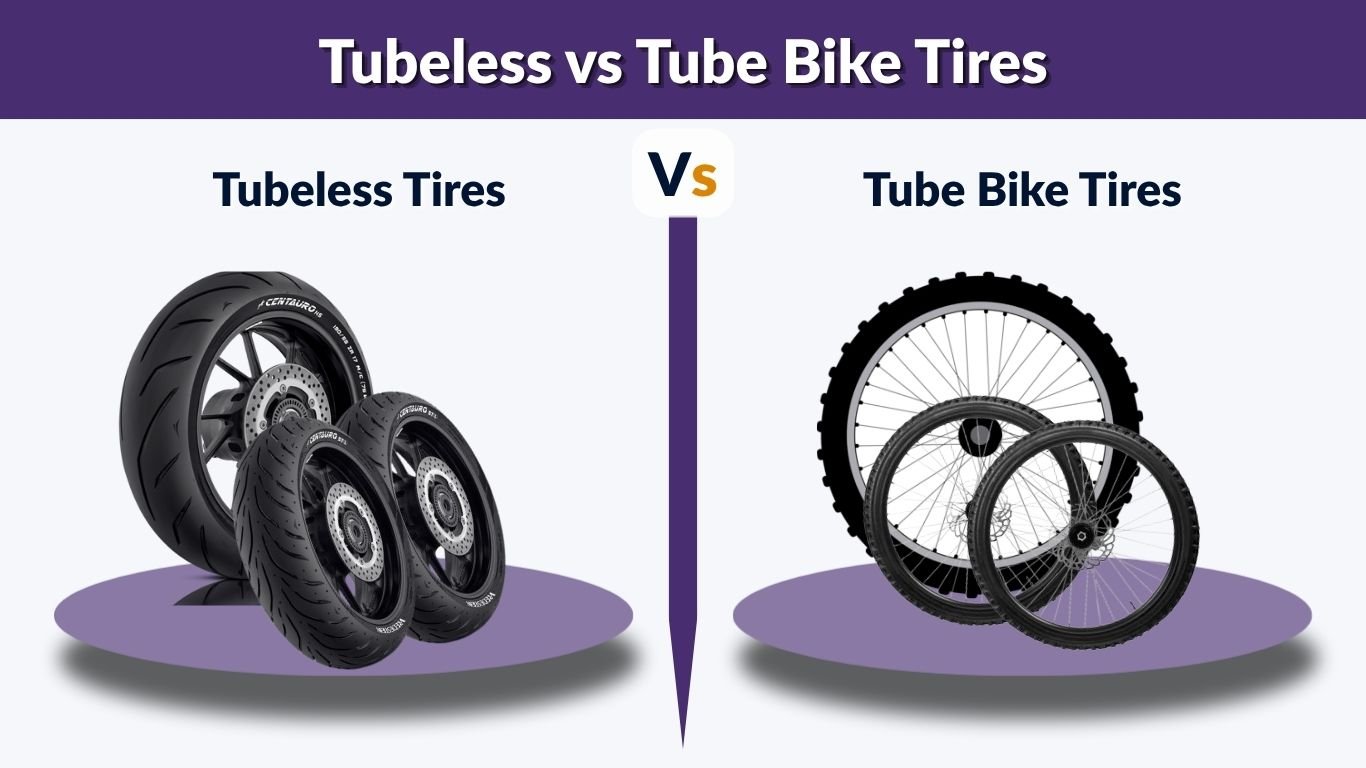
Choosing between tubeless and tube bike tires can affect comfort, puncture protection, maintenance, speed, and overall riding confidence. Traditional tube tires are simple, affordable, and easy to understand, while tubeless tires are popular among mountain bikers, gravel riders, and many road cyclists because they reduce flats and allow lower tire pressure. The best choice depends on your bike, riding style, budget, and how much maintenance you are willing to handle.
What Are Tube Bike Tires?
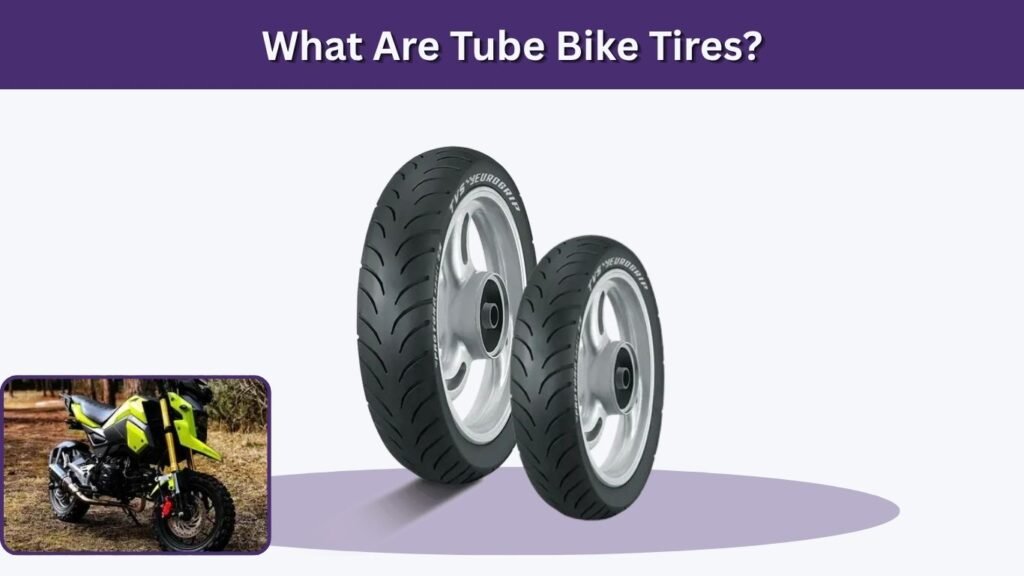
Tube bike tires use an inner tube inside the tire. The tube holds the air, while the outer tire provides grip, protection, and contact with the road or trail.
This is the traditional setup found on most entry-level bikes, commuter bikes, road bikes, and older mountain bikes. When you inflate the tire, you are actually inflating the inner tube, not the tire itself.
How Tube Tires Work
A tube tire setup has three main parts: the rim, the inner tube, and the outer tire. The tube sits between the rim and tire. When air is pumped into the tube, it expands and pushes the tire against the rim.
If something sharp pierces the tire and reaches the tube, the tube loses air. That is why most common bike flats happen with tube setups.
Benefits of Tube Tires
Tube tires are popular because they are simple and affordable. Most cyclists already know how to fix or replace an inner tube, and replacement tubes are easy to find in bike shops.
Tube setups are also easier for beginners. You do not need sealant, tubeless valves, special rim tape, or an air compressor. In many cases, a basic pump and tire levers are enough.
Downsides of Tube Tires
The main downside is puncture risk. Sharp glass, thorns, nails, and pinch flats can quickly deflate an inner tube. Pinch flats happen when the tube gets squeezed between the rim and tire, often after hitting a pothole, curb, or rock.
Tube tires also usually require slightly higher pressure than tubeless tires. This can make the ride feel harsher, especially on rough roads or trails.
What Are Tubeless Bike Tires?
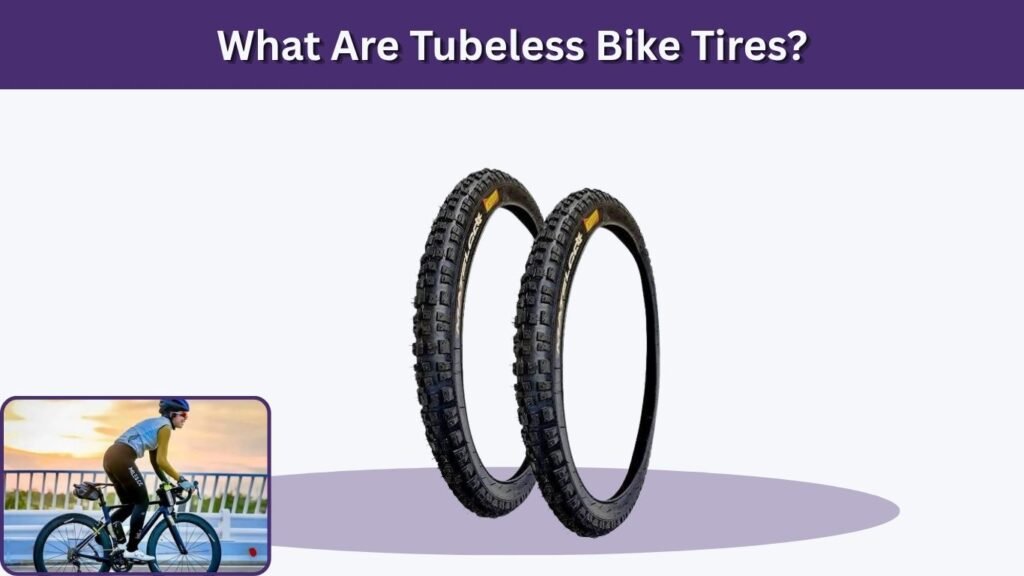
Tubeless bike tires do not use an inner tube. Instead, the tire itself holds the air when mounted on a compatible rim with tubeless rim tape, a tubeless valve, and liquid sealant.
The sealant inside the tire helps close small punctures automatically while you ride. This is one of the biggest reasons cyclists switch to tubeless.
How Tubeless Tires Work
A tubeless system creates an airtight seal between the tire bead and the rim. The sealant moves around inside the tire. When a small object punctures the tire, air pushes the sealant into the hole, where it dries and seals the leak.
This process can happen so quickly that many riders do not even notice they had a puncture.
Benefits of Tubeless Tires
Tubeless tires offer better puncture protection for many riders. Small holes from thorns or glass often seal automatically. This is especially useful for mountain biking, gravel riding, and rough road cycling.
Tubeless tires can also run at lower pressure, which improves comfort and traction. Lower pressure helps the tire absorb bumps and maintain better contact with the ground.
Downsides of Tubeless Tires
Tubeless tires are more complicated to set up. You need compatible rims and tires, tubeless valves, sealant, and proper rim tape. Some tires are difficult to seat and may require a strong burst of air.
Sealant also dries out over time and needs to be checked or replaced. If you ignore maintenance, the system may not seal punctures properly.
Tubeless vs Tube Bike Tires: Key Differences
Both systems can work well, but they perform differently in real-world riding. Tube tires are easier and cheaper, while tubeless tires usually offer better flat protection and comfort.
| Feature | Tube Bike Tires | Tubeless Bike Tires |
|---|---|---|
| Inner tube | Required | Not required |
| Puncture protection | Lower | Higher for small punctures |
| Setup difficulty | Easy | Moderate to difficult |
| Maintenance | Simple | Requires sealant checks |
| Ride comfort | Good | Usually better |
| Cost | Lower | Higher |
| Best for | Beginners, casual riders, commuters | MTB, gravel, road riders seeking fewer flats |
Puncture Protection
Tubeless tires usually win for puncture protection. The sealant can close many small holes before the tire loses much air. This is very useful if you ride on roads with debris, thorny trails, gravel paths, or rough terrain.
Tube tires are more vulnerable because once the inner tube is pierced, air escapes directly. You can use puncture-resistant tires or tire liners, but they do not seal themselves like tubeless sealant.
Ride Comfort
Tubeless tires often provide a smoother ride because they can be used at lower pressure without the same risk of pinch flats. Lower pressure helps the tire absorb vibration from rough roads, gravel, roots, and rocks.
Tube tires may need higher pressure to avoid pinch flats. Higher pressure can feel faster on smooth pavement, but it can also make the ride feel harsh on uneven surfaces.
Rolling Resistance
Tubeless tires can reduce rolling resistance in some conditions because there is no inner tube rubbing inside the tire. However, the difference depends on tire model, pressure, road surface, and rider weight.
On smooth roads, a high-quality tube setup can still feel very fast. On rough roads or trails, tubeless often has an advantage because lower pressure helps the tire roll over bumps more efficiently.
Cost Comparison
Cost is one of the biggest differences between tubeless and tube bike tires. Tube setups are cheaper at first, while tubeless setups can save money later if they reduce frequent flats.
| Cost Factor | Tube Tires | Tubeless Tires |
|---|---|---|
| Initial setup | Lower | Higher |
| Replacement parts | Cheap tubes | Sealant, valves, tape |
| Flat repair cost | Tube replacement or patch | Often sealed automatically |
| Tools needed | Pump, tire levers, spare tube | Pump, sealant, valves, possible booster |
| Long-term cost | Can rise with frequent flats | Can be lower if flats are reduced |
Initial Setup Cost
Tube tires are less expensive because most bikes already come with tubes. If you get a flat, a replacement tube is usually affordable and simple to install.
Tubeless costs more upfront. You may need tubeless-ready tires, tubeless-compatible rims, rim tape, valves, and sealant. If your current wheels are not tubeless-ready, conversion may not be worth it.
Long-Term Value
Tubeless can become a good value if you frequently get punctures. Instead of replacing or patching tubes often, the sealant handles many small punctures automatically.
However, tubeless is not maintenance-free. You still need to add sealant every few months, inspect tires, and carry a backup tube for large cuts or serious damage.
Maintenance and Repair
Maintenance is another major factor. Tube tires are easier to repair on the roadside, while tubeless tires prevent many flats before they become a problem.
Tube Tire Maintenance
Tube tire maintenance is simple. You check tire pressure, inspect the tire for wear, and replace or patch the tube if it goes flat.
Common repair items include:
- Spare inner tube
- Tire levers
- Mini pump or CO₂ inflator
- Patch kit
- Small multi-tool
This makes tube tires practical for beginners, commuters, and riders who want a low-maintenance setup.
Tubeless Tire Maintenance
Tubeless maintenance is not difficult, but it requires more attention. Sealant dries out over time, especially in hot climates. If the sealant dries completely, it cannot seal punctures.
Tubeless riders should regularly:
- Check tire pressure before rides
- Shake the tire to check for liquid sealant
- Add fresh sealant when needed
- Inspect the tire bead and sidewalls
- Carry plugs or a spare tube for emergencies
A tubeless plug kit can repair larger punctures that sealant cannot close by itself.
Performance by Riding Style
The better choice depends heavily on where and how you ride. A commuter has different needs than a mountain biker or road racer.
| Riding Style | Better Option | Why |
|---|---|---|
| Casual city riding | Tube | Simple, cheap, easy to repair |
| Daily commuting | Tube or tubeless | Depends on puncture frequency |
| Mountain biking | Tubeless | Better grip and fewer pinch flats |
| Gravel riding | Tubeless | Strong puncture protection and comfort |
| Road cycling | Tube or tubeless | Tubeless helps comfort and puncture resistance |
| Touring | Tube | Easier to repair in remote areas |
| Racing | Tubeless | Lower pressure and possible efficiency gains |
Mountain Biking
Tubeless is usually the better choice for mountain biking. Trails often include rocks, roots, thorns, and sharp impacts. Tubeless tires allow lower pressure, improving grip and reducing the chance of pinch flats.
This is why many modern mountain bikes come tubeless-ready.
Road Cycling
For road cycling, the choice is more balanced. Many road cyclists still use tubes because they are simple, light, and familiar. However, tubeless road tires are becoming more common because they improve comfort and reduce punctures.
If you ride rough pavement, long distances, or roads with debris, tubeless can be worth it.
Commuting
Commuters can use either system. If your route has glass, thorns, or construction debris, tubeless may reduce annoying flats. But if you ride short distances on clean roads, tubes may be easier and cheaper.
For many commuters, puncture-resistant tube tires are a practical middle ground.
Pros and Cons of Tube Bike Tires
Tube tires are not outdated. They are still a great choice for many riders, especially those who value simplicity and low cost.
Pros
- Easy to install and repair
- Lower upfront cost
- Replacement tubes are widely available
- Beginner-friendly setup
- No sealant required
Cons
- More likely to get pinch flats
- Small punctures usually cause flats
- May require higher tire pressure
- Less comfortable on rough surfaces
- More frequent roadside repairs
Pros and Cons of Tubeless Bike Tires
Tubeless tires offer strong performance benefits, but they are not perfect for every cyclist.
Pros
- Better protection from small punctures
- Lower risk of pinch flats
- Can run lower pressure
- Improved grip and comfort
- Great for MTB, gravel, and rough roads
Cons
- Higher setup cost
- More difficult installation
- Sealant needs regular maintenance
- Can be messy during repairs
- Not all rims and tires are compatible
Are Tubeless Bike Tires Better?
Tubeless bike tires are better for riders who want fewer flats, more comfort, and better traction. They are especially useful for mountain biking, gravel riding, and long rides on rough or debris-filled roads.
However, tube tires are better for riders who want a simple, affordable, easy-to-repair setup. For casual riders, beginners, and some commuters, tubes may be the smarter option.
The best choice is not about which technology is newer. It is about which system matches your riding needs.
Which One Should You Choose?
Choose tube bike tires if you want simplicity, low cost, and easy roadside repairs. They are ideal for casual cycling, short commutes, touring in remote places, and riders who do not want to deal with sealant.
Choose tubeless bike tires if you ride rough roads, trails, gravel, or areas where punctures are common. Tubeless is also a strong choice if comfort, traction, and fewer flats matter more than setup simplicity.
A good rule is this: if you rarely get flats and your current setup works, tubes are fine. If flats are common or you want better ride quality, tubeless is worth considering.
FAQs
Do tubeless bike tires still get flats?
Yes, tubeless bike tires can still get flats, but small punctures often seal automatically with sealant. Larger cuts, sidewall damage, or major impacts may still cause air loss. Many tubeless riders carry a plug kit and spare tube for emergency repairs.
Can I put a tube in a tubeless tire?
Yes, you can usually put a tube inside a tubeless tire if needed. This is a common emergency fix when sealant or plugs cannot repair the puncture. You should remove any sharp object from the tire before installing the tube.
Are tubeless tires faster than tube tires?
Tubeless tires can be faster in some conditions, especially on rough surfaces where lower pressure improves rolling efficiency. On smooth roads, the difference depends on tire quality, pressure, and setup. A high-quality tube system can still perform very well.
Is tubeless worth it for road bikes?
Tubeless can be worth it for road bikes if you ride long distances, rough pavement, or roads with frequent debris. It offers better puncture protection and comfort. However, casual road riders may prefer tubes because they are cheaper and easier to maintain.
How often should tubeless sealant be replaced?
Tubeless sealant usually needs to be checked every few months. Hot weather, dry conditions, and frequent riding can make it dry out faster. If the tire no longer has liquid sealant inside, it may not seal punctures properly.