
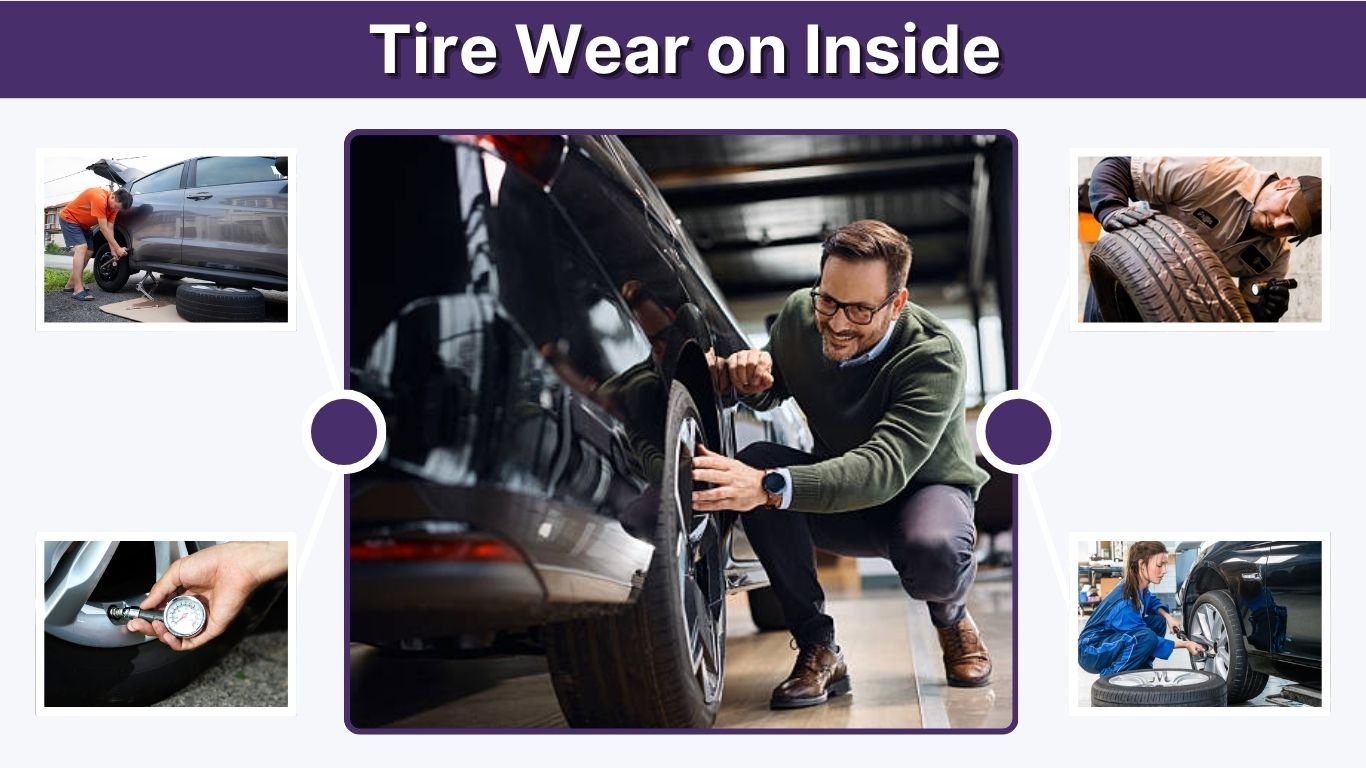
Tire wear on the inside is a common problem that can reduce tire lifespan, affect vehicle handling, and increase the risk of tire failure. When the inner edges of your tires wear faster than the center or outer edges, it usually indicates wheel alignment problems, excessive negative camber, or worn suspension components. Understanding what causes inside tire wear can help you identify problems early, avoid expensive replacements, and maintain safe driving conditions. This guide explains the common causes, warning signs, repair methods, and prevention tips.
What Does Tire Wear on the Inside Mean?
Inside tire wear occurs when the inner shoulder of a tire loses tread faster than the rest of its surface. This section is closest to the vehicle’s suspension and may be difficult to see during a regular inspection.
Uneven wear usually indicates that the tire is not contacting the road evenly or is scrubbing sideways while rolling. Incorrect wheel alignment is one of the most common reasons, although damaged suspension components can also contribute.
Common Signs of Inside Tire Wear
- Uneven tread depth: The inner edge has less tread than the center or outer edge.
- Visible bald spots: The inside shoulder becomes smooth or loses its tread pattern.
- Steering problems: The vehicle may pull toward one side while driving.
- Unusual tire noise: Excessive wear can produce humming or other road noises.
- Reduced traction: Worn tires may provide less grip, especially on wet roads.
7 Common Causes of Tire Wear on the Inside
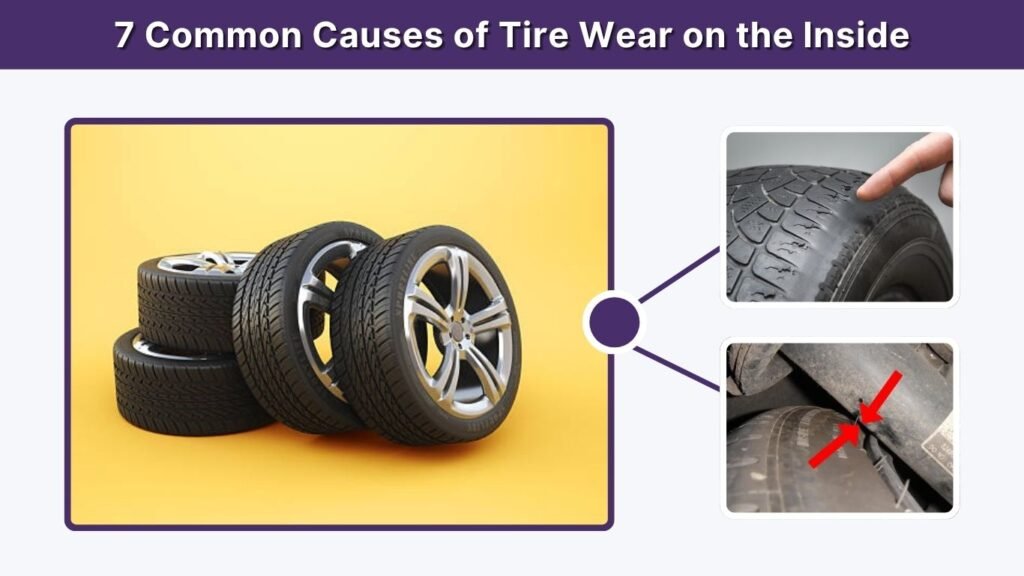
Several mechanical and maintenance problems can cause the inner edges of tires to wear prematurely. Identifying the underlying cause is essential because replacing the tires without correcting the problem may result in the same wear pattern.
1. Incorrect Wheel Alignment
Wheel misalignment is one of the leading causes of inside tire wear. When the wheels are not positioned according to manufacturer specifications, tires may experience uneven pressure or sideways scrubbing against the road.
Improper toe settings are particularly important. Toe describes the direction the wheels point when viewed from above. Excessive toe-in or toe-out can create friction and rapidly wear the tread.
Common causes of misalignment include pothole impacts, worn steering components, curb strikes, and suspension repairs.
A professional four-wheel alignment measures the wheel angles and adjusts the settings where possible.
2. Excessive Negative Camber
Negative camber occurs when the top of a wheel leans inward toward the vehicle. A small amount may be intentional, but excessive negative camber increases pressure on the tire’s inner shoulder.
Over time, this uneven pressure can produce smooth, continuous wear along the inside edge.
Negative camber problems may develop because of incorrect alignment settings, suspension damage, modified ride height, or deteriorating components.
Correcting excessive camber requires inspecting the suspension and adjusting wheel alignment to the vehicle manufacturer’s specifications.
3. Worn Suspension Components
Suspension components help maintain proper wheel positioning while driving. When these parts become loose or damaged, the wheels may shift from their intended alignment.
Common components associated with inside tire wear include:
- Control arm bushings: Worn bushings allow unwanted wheel movement.
- Ball joints: Excessive looseness can affect wheel positioning.
- Tie rod ends: Worn steering joints may cause incorrect toe angles.
- Springs: Sagging springs can change vehicle ride height and alignment.
- Struts: Bent or damaged struts can affect suspension geometry.
A mechanic should inspect these components before performing an alignment. Replacing worn parts is necessary when they cannot maintain correct wheel positioning.
4. Incorrect Tire Pressure
Improper tire inflation changes how a tire contacts the road. Underinflated tires generally experience increased wear on both shoulders, while overinflated tires tend to wear more heavily near the center.
Although incorrect pressure is not usually the primary cause of isolated inner-edge wear, it can make existing alignment-related wear worse.
Check tire pressure when the tires are cold and maintain the pressure recommended on the vehicle’s tire information label.
5. Damaged Steering Components
The steering system determines how the front wheels respond to driver input. Damaged or loose steering components can change wheel alignment during acceleration, braking, or cornering.
For example, a worn tie rod end may allow the wheel’s toe angle to shift as the vehicle moves.
This can produce uneven tread wear, poor steering response, or directional instability.
If you notice steering looseness combined with inside tire wear, arrange a professional inspection before continuing normal driving.
6. Lowered Suspension or Modified Ride Height
Lowering a vehicle changes suspension geometry and may increase negative camber. Depending on the suspension design, changing ride height can also alter toe settings.
These changes can concentrate pressure on the inner shoulders, causing premature tread wear.
Vehicles with aftermarket springs, adjustable suspension, or modified suspension arms should receive an alignment appropriate for their configuration.
Some modifications may require additional components to achieve acceptable alignment specifications.
7. Bent or Damaged Suspension Parts
Hitting a pothole, curb, or road obstacle can bend suspension components and change wheel positioning.
Bent control arms, steering knuckles, struts, or suspension links may cause persistent alignment problems.
One-sided tire wear appearing after a significant impact is a warning sign that something may be damaged.
A qualified technician should inspect the affected wheel assembly and replace damaged parts before completing an alignment.
Inside Tire Wear on Front Tires vs. Rear Tires
Inside tire wear can affect either axle, but the underlying problems may differ depending on the vehicle’s steering and suspension design.
Inside Wear on Front Tires
Front tires handle steering forces and, on many vehicles, a significant portion of braking and driving loads.
Common causes include incorrect toe settings, excessive negative camber, worn tie rods, and damaged front suspension components.
If both front tires wear on their inner edges, checking the overall alignment is particularly important.
Inside Wear on Rear Tires
Rear inner tire wear often occurs on vehicles equipped with independent rear suspension.
Incorrect rear camber, toe misalignment, sagging springs, and worn suspension bushings are potential causes.
Unlike a front-only alignment, a four-wheel alignment can identify problems affecting the rear wheels and the vehicle’s overall tracking.
How to Fix Tire Wear on the Inside
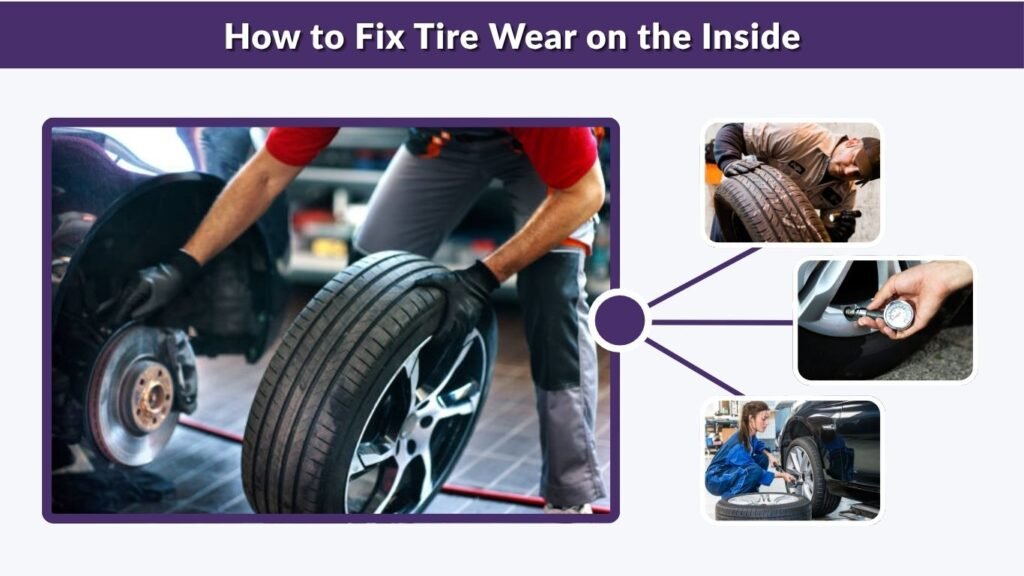
Fixing inside tire wear requires correcting the mechanical issue responsible for the uneven tread loss. The appropriate repair depends on the tire condition, alignment measurements, and suspension inspection results.
Step 1: Inspect the Tire Condition
Examine the inner shoulder for bald areas, exposed cords, cracks, or other visible damage. Use a tread-depth gauge to compare measurements across the tire.
If cords are visible or the tire has significant damage, stop driving on it and arrange safe replacement.
Step 2: Check Tire Pressure
Measure the pressure in all four tires when cold. Adjust inflation according to the recommended pressure shown on the vehicle’s door label or owner’s manual.
Step 3: Inspect Steering and Suspension Parts
Have a mechanic check the tie rods, bushings, ball joints, control arms, springs, and other relevant components.
Any loose, bent, or damaged parts should be repaired before alignment adjustments.
Step 4: Perform a Wheel Alignment
A professional alignment measures camber, toe, and caster where applicable.
The technician adjusts the wheel angles to manufacturer specifications and checks whether damaged or nonadjustable components require additional repair.
Step 5: Replace Unsafe Tires
Wheel alignment cannot restore tread that has already worn away.
Replace tires that have reached their wear limits or developed unsafe damage. Have the replacement tires installed and balanced correctly.
Can You Drive with Tires Wearing on the Inside?
Driving with noticeable inner-edge tire wear can be dangerous, particularly when the tread is severely worn.
The inner shoulder may be almost bald even when the outside of the tire appears normal. This condition can reduce traction and increase the risk of tire failure. If the tire has exposed cords, bulges, or other serious damage, do not continue driving on it.
How to Prevent Tire Wear on the Inside
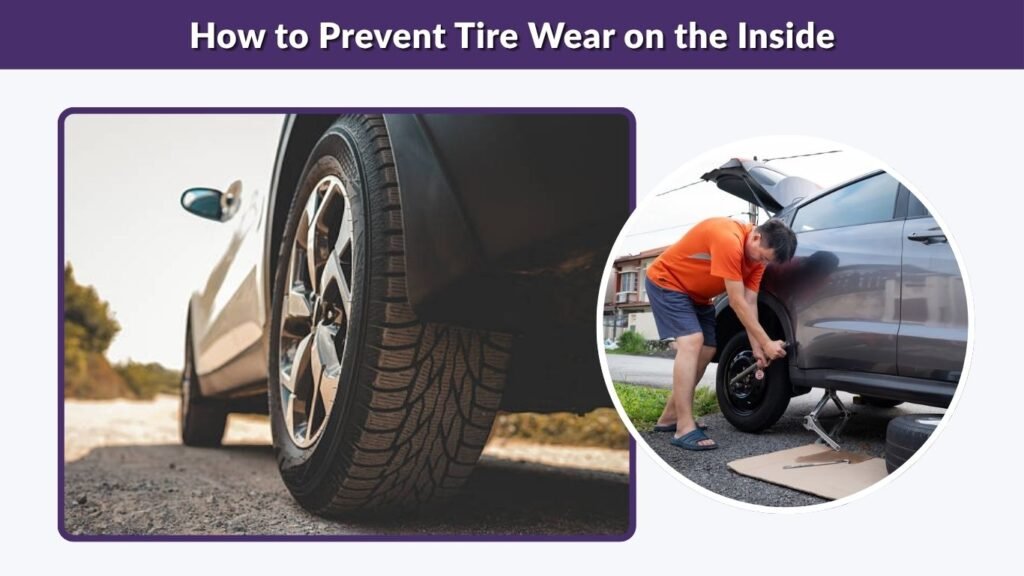
Regular maintenance helps protect tire tread and reduces the likelihood of premature inner-shoulder wear.
Essential Tire Maintenance Tips
- Check alignment: Have wheel alignment inspected when irregular wear or handling changes appear.
- Maintain proper pressure: Check tire inflation at least once a month.
- Rotate tires: Follow manufacturer recommendations for rotation intervals and patterns.
- Inspect suspension components: Repair worn steering or suspension parts promptly.
- Avoid hard impacts: Slow down around potholes and avoid striking curbs.
- Monitor tread depth: Compare inner, center, and outer tread measurements regularly.
Preventive inspections are especially important after replacing suspension components, installing new tires, or experiencing a significant road impact.
Conclusion
Tire wear on the inside is often a warning of incorrect wheel alignment, excessive negative camber, or worn suspension components. Ignoring the issue can shorten tire life and compromise driving safety. Inspecting the inner tread, repairing damaged parts, correcting alignment, and maintaining proper tire pressure can help prevent repeated wear. Addressing the problem early is the most effective way to protect your tires and maintain reliable vehicle handling.
Frequently Asked Questions
1. What causes a tire to wear on the inside only?
Inside-only tire wear is commonly caused by excessive negative camber, incorrect toe alignment, or worn suspension components. A professional inspection can determine which condition is responsible.
2. Will an alignment fix inside tire wear?
A wheel alignment can prevent further abnormal wear when incorrect alignment is the underlying cause. However, it cannot restore tread already lost or correct worn suspension parts.
3. Why are both front tires wearing on the inside?
Both front tires may wear on their inner edges because of incorrect toe settings, excessive negative camber, or suspension geometry problems affecting both wheels.
4. Can low tire pressure cause inside tire wear?
Low tire pressure generally causes additional wear on both shoulders rather than the inside edge alone. However, underinflation can worsen an existing uneven-wear condition.
5. Do I need new tires if the inside edges are worn?
Replacement depends on remaining tread depth and the extent of damage. Tires with exposed cords, unsafe irregular wear, or tread below the applicable minimum must be replaced.