
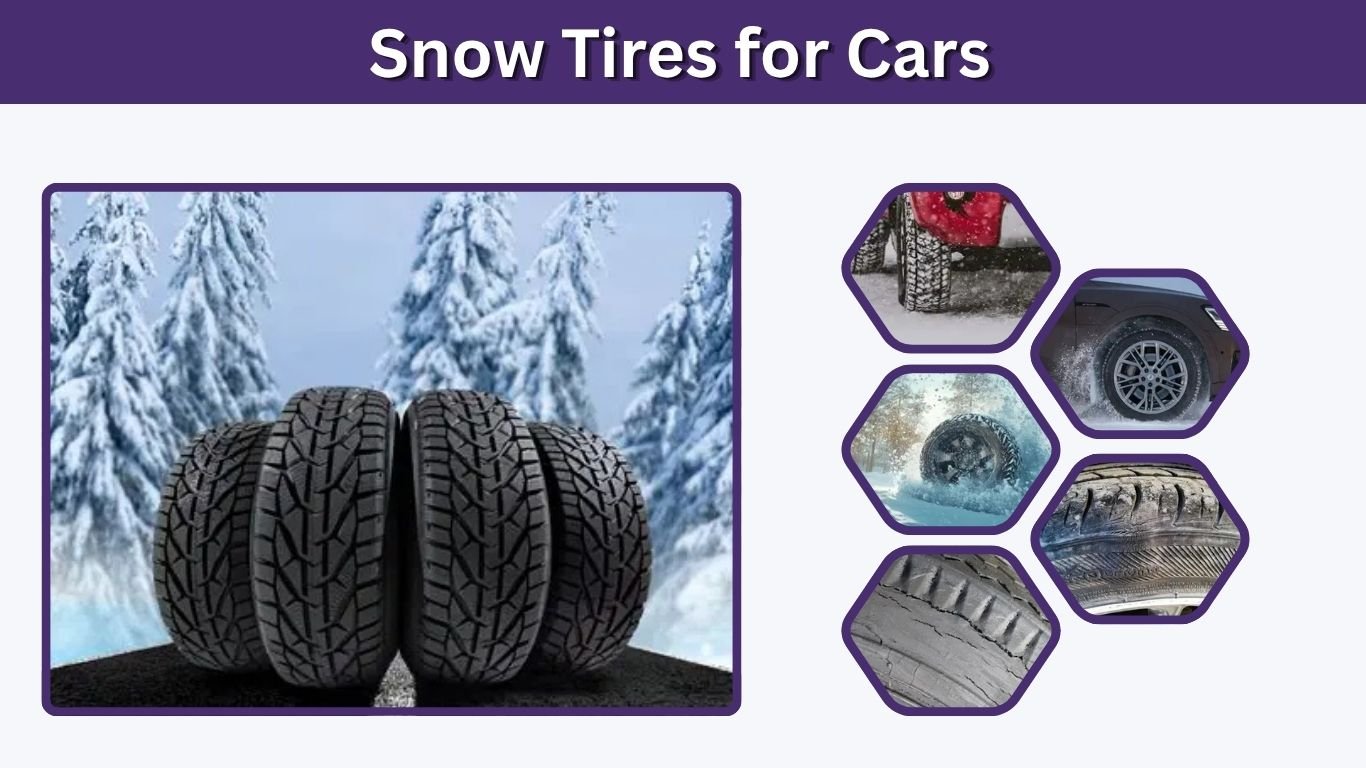
Snow tires for cars provide extra grip when roads become cold, snowy, slushy, or icy. Unlike ordinary all-season tires, dedicated winter tires use flexible cold-weather rubber and tread patterns designed to create more biting edges on slippery surfaces. The right choice depends on your vehicle, local conditions, tire size, budget, and whether chains or snow socks are required. This guide explains how to choose snow tires for front-wheel-drive, rear-wheel-drive, all-wheel-drive, compact, and performance cars.
What Are Snow Tires for Cars?
Snow tires, also called winter tires, are designed for cold-weather driving. Their rubber compounds remain flexible in low temperatures, while deeper grooves and numerous sipes help grip snow, slush, and ice.
Transport Canada notes that all-season and summer tires begin losing elasticity below about 7°C or 45°F, while winter tires maintain better cold-weather traction. Look for the three-peak mountain snowflake, or 3PMSF, symbol on the sidewall.
The M+S marking alone means a tire is intended for limited mud-and-snow service. It does not necessarily provide the same tested severe-snow performance as the mountain-snowflake symbol.
Snow Tires vs. All-Season and All-Weather Tires
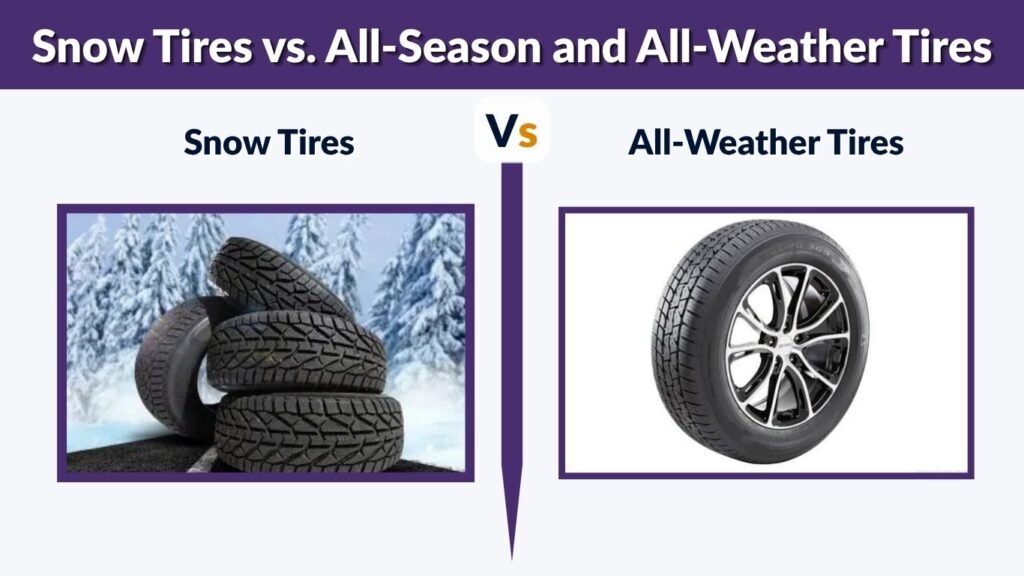
The best tire depends on how severe and frequent your winter conditions are.
| Tire type | Best use | Winter performance |
| Dedicated winter tire | Frequent snow, ice, and prolonged cold | Highest winter-focused traction |
| All-weather tire with 3PMSF | Moderate winters and occasional snow | Better than typical all-season tires |
| Standard all-season tire | Mild climates with little snow | Limited in severe cold, snow, and ice |
A 2026 Tire Rack comparison found that a dedicated Bridgestone Blizzak WS90 delivered a major cold-weather advantage over the all-weather and all-season tires included in the test, especially on snow and ice. Dedicated winter tires may wear faster if used in warm weather.
How to Choose the Best Snow Tires for Your Car
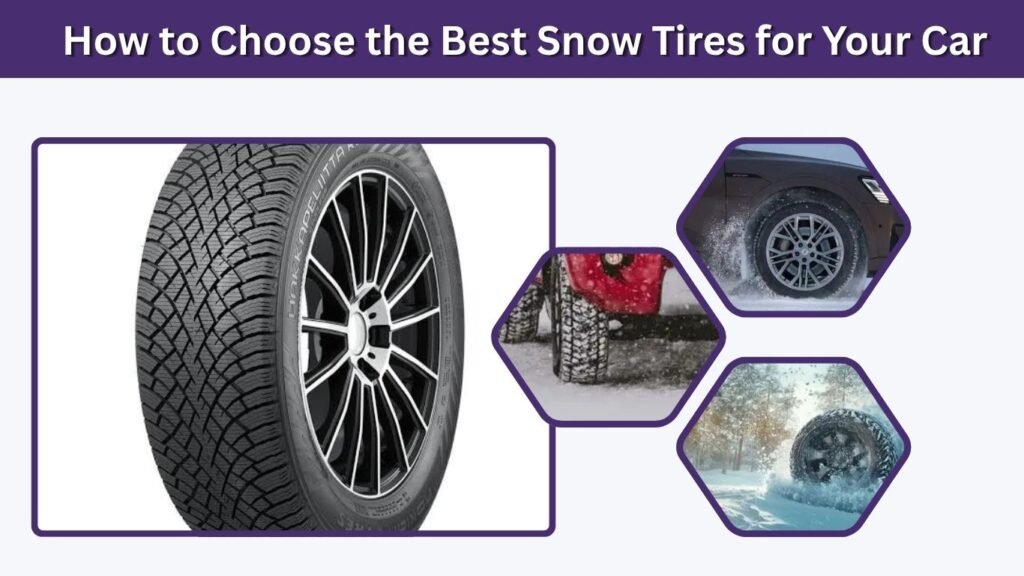
The best snow tires are not simply those with the most aggressive tread. They must fit the vehicle correctly and match the conditions you face.
Check the Correct Tire Size
Use the tire size printed on the driver-side door placard or listed in the owner’s manual. Match the required load index and use a suitable speed rating.
A narrower approved winter size may sometimes reduce the purchase price, but only use sizes approved by your vehicle or tire manufacturer.
Look for the 3PMSF Symbol
The three-peak mountain snowflake mark confirms that the tire meets a defined severe-snow traction standard. It is a more useful winter indicator than an M+S marking alone.
Match the Tire to Your Main Winter Hazard
Choose a studless ice-and-snow tire for frequent packed snow and ice. Choose a performance winter tire when cold dry roads, wet roads, steering response, and higher-speed stability matter more.
Studded snow tires may provide additional ice grip, but their use is prohibited or seasonally restricted in many locations. Check local regulations before buying them.
Compare More Than Snow Traction
Consider the tire’s performance in several areas:
- Ice braking
- Deep-snow traction
- Wet-road braking
- Slush resistance
- Dry handling
- Road noise
- Ride comfort
- Tread life
- Rolling resistance
No snow tires lead every performance category. Prioritize the road conditions you encounter most often.
Strong Snow-Tire Options for Passenger Cars
Availability depends on tire size and market, but these current models are useful starting points rather than a universal ranking.
| Tire | Best suited to | Main focus |
| Bridgestone Blizzak WS90 | Sedans, coupes, and compact crossovers | Snow and ice traction |
| Michelin X-Ice Snow or Snow+ | Drivers seeking grip, comfort, and longevity | Ice, snow, and wet roads |
| Continental VikingContact 8 | Severe snow, slush, and ice | Extreme-winter performance |
| Continental WinterContact TS 870 | Compact and midsize cars | Snow, wet grip, and efficiency |
| Bridgestone Blizzak 6 | Drivers wanting responsive handling | Snow, slush, and ice |
Bridgestone describes the WS90 as a studless tire built for control on snow and ice, while Tire Rack’s 2026 test praised its winter performance.
Michelin positions the X-Ice Snow+ for braking across ice, snow, wet, and dry winter roads. Continental markets the VikingContact 8 for harsh Nordic conditions and the WinterContact TS 870 for compact and midsize cars.
Before buying, confirm that the tire is available in the exact size, load index, and speed rating required for your car.
Snow Tires for FWD, RWD, and AWD Cars
A vehicle’s drivetrain affects acceleration in snow, but every car relies on its four tire contact patches for braking and cornering.
Snow Tires for Front-Wheel-Drive Cars
Front-wheel-drive cars often accelerate reasonably well in snow because the engine’s weight sits over the driven wheels. However, braking and cornering depend on all four tires.
Install four matching winter tires rather than placing snow tires only on the front. Using only two can leave the rear axle with less traction and make the car more likely to oversteer or spin.
Snow Tires for Rear-Wheel-Drive Cars
Rear-wheel-drive cars can lose rear traction more easily during acceleration, especially on hills or packed snow.
Four winter tires improve starting grip, braking, cornering, and directional stability. Adding weight to the trunk may change the car’s balance, but it is not a substitute for proper winter tires.
Snow Tires for AWD Cars
All-wheel drive can help a car move forward, but it does not eliminate the need for tire grip when braking or turning.
Four matching snow tires remain the best setup for frequent cold, snow, or ice. AWD combined with unsuitable tires can still produce long stopping distances and poor cornering grip.
Transport Canada recommends fitting winter tires in sets of four and using tires with matching type, size, speed rating, and load index to maintain vehicle stability.
Snow Chains, Tire Cables, and Snow Socks
Snow chains for car tires provide temporary traction in deep snow, on steep mountain roads, or where authorities require traction devices. They are not a replacement for regular winter tires.
When using tire chains:
- Check the owner’s manual for clearance restrictions.
- Match the chains to the exact tire size.
- Install them on the designated drive wheels.
- Practice installing them before traveling.
- Tighten and inspect them after driving a short distance.
- Remove them when the road is no longer covered by snow or ice.
- Follow the manufacturer’s maximum speed.
- Observe local chain-control laws.
Tire Rack advises carrying chains during the appropriate season and installing them only when road conditions or regulations require them. Vehicle-specific instructions are essential because chain placement and wheel-well clearance differ between models.
Are Snow Socks Good for Car Tires?
Snow socks are textile covers that wrap around tires to provide temporary grip on packed snow. They are usually lighter, quieter, and easier to store than metal chains.
However, snow socks can wear rapidly when driven on clear pavement. Their acceptance as a legal replacement for chains also differs by region, so check local rules and choose an approved product.
How Long Do Snow Tires Last?
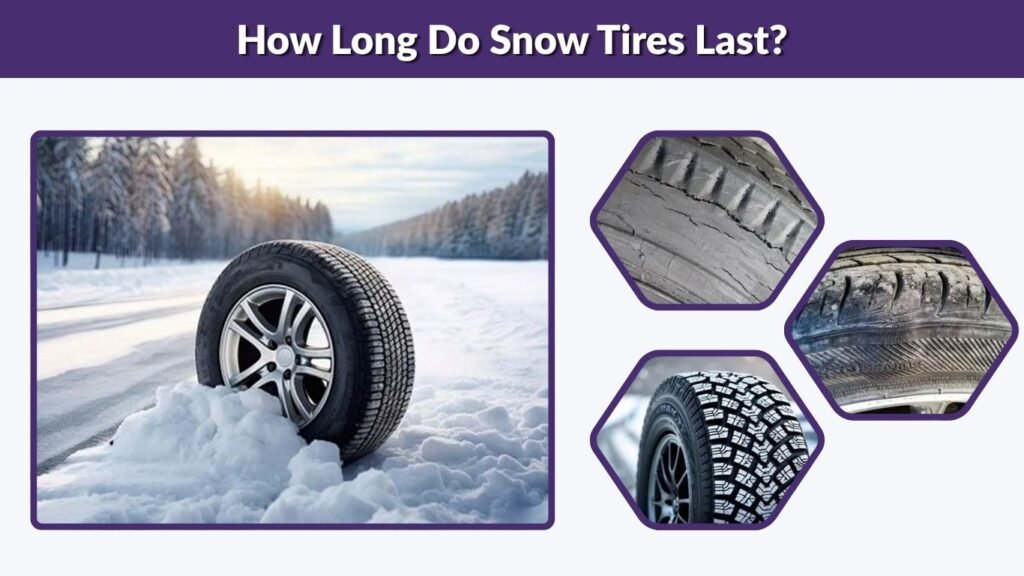
Snow-tire life depends on mileage, road surfaces, temperature, wheel alignment, inflation, rotation, storage, and driving style. Drivers who travel limited winter mileage may use the same set for several seasons, while high-mileage drivers may wear them out sooner.
Inspect snow tires before each winter for:
- Low or uneven tread
- Sidewall cracking
- Bulges or cuts
- Embedded objects
- Abnormal vibration
- Signs of aging
- Previous puncture repairs
Replace tires that are damaged or no longer have enough tread depth to clear snow and slush reliably.
Remove winter tires when sustained warm weather returns because their softer compounds can wear faster on hot pavement. Store the off-season set in a cool, dry place away from direct sunlight, heat, oil, and chemicals.
FAQs
Are snow tires helpful for a car that is not AWD?
Yes. Winter tires improve grip for acceleration, braking, and cornering regardless of the drivetrain. A front-wheel-drive or rear-wheel-drive car with four winter tires may be better prepared for snow than an AWD car using tires with poor winter traction.
Do I need four snow tires on a FWD car?
Yes. Installing only two winter tires on the front can create a traction imbalance and make the rear less stable. Four matching snow tires provide more predictable braking, steering, and cornering in slippery conditions.
Are snow tires better than chains?
They serve different purposes. Winter tires are designed for regular seasonal driving, while chains are temporary devices for unusually difficult roads or legal chain-control areas. Some mountain routes may still require chains even when winter tires are installed.
Can I use snow tires all year?
It is not recommended. Winter compounds are optimized for cold conditions and may wear faster, feel less precise, and perform less efficiently in warm weather. Change to suitable all-season or summer tires when consistently warm conditions return.
What are the best snow tires for small cars?
Choose a 3PMSF-rated tire in the exact approved size for your vehicle. The Blizzak WS90, Michelin X-Ice Snow+, Continental VikingContact 8, and WinterContact TS 870 are worth comparing. The best choice depends on local snowfall, ice, wet roads, budget, and availability.