
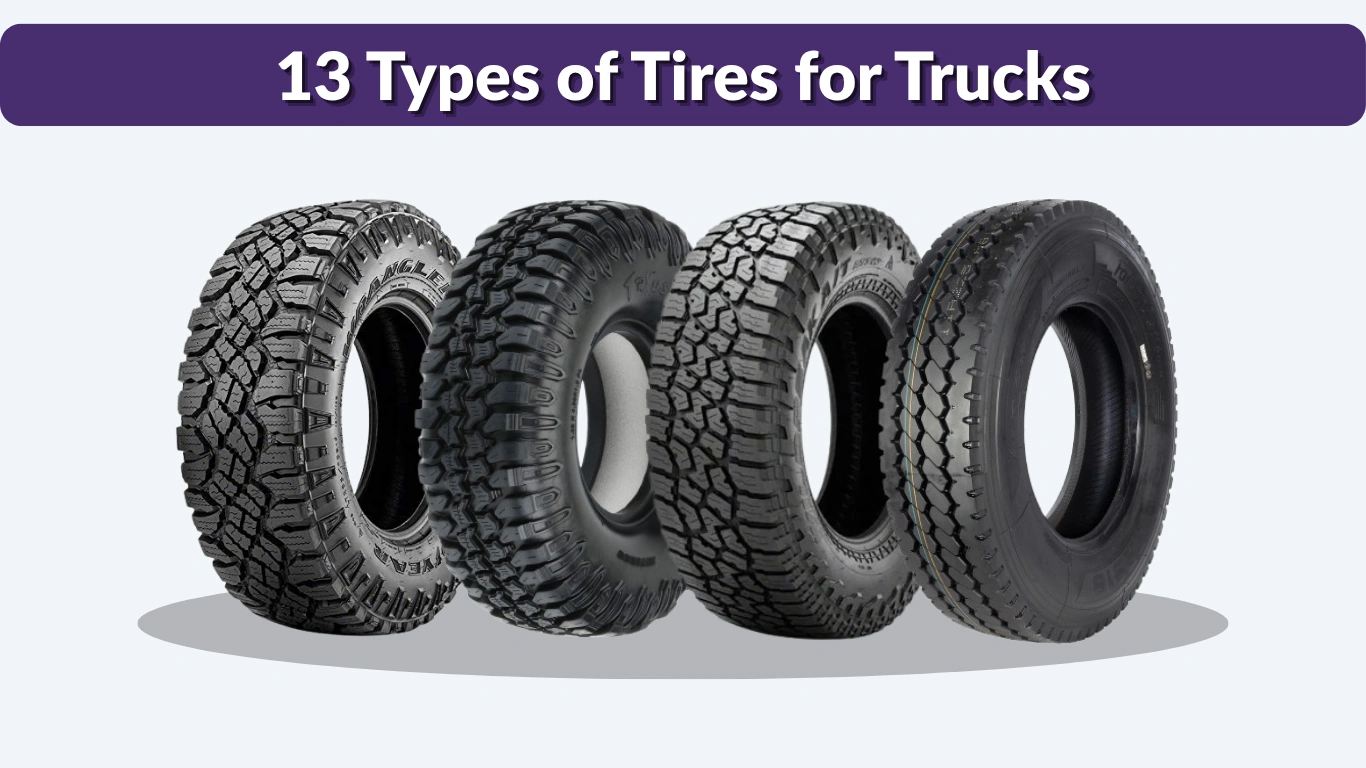
Choosing the right truck tire is essential for performance, safety, and efficiency. Different types of truck tires are designed to handle specific tasks, from daily highway driving to heavy-duty hauling and off-road conditions. Each tire type offers unique features that affect traction, durability, and comfort. Understanding these differences helps truck owners select the most suitable option for their needs, improving fuel efficiency, extending tire life, and ensuring safer driving in various environments and weather conditions.
1. All-Season Truck Tires
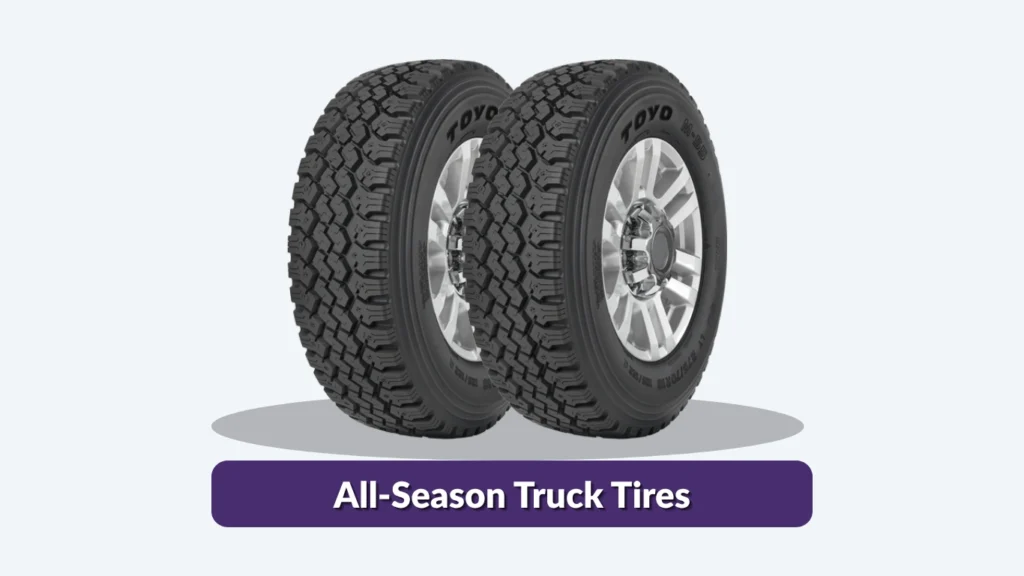
All-season truck tires are built to handle a wide range of driving conditions throughout the year. They offer a balanced mix of durability, traction, and comfort, making them suitable for everyday truck use. These tires are designed for drivers who need dependable performance without switching between seasonal tires.
Key Features
- Versatile tread for multiple road conditions
- Reliable grip in dry and wet weather
- Light snow capability
- Long tread life for extended use
- Smooth and stable ride quality
Purpose and Use
All-season truck tires are ideal for daily driving, light-duty hauling, and highway use. They are commonly used on pickup trucks and SUVs, especially in regions with moderate climates. These tires provide convenience for drivers who want consistent performance without frequent tire changes.
Performance in Different Conditions
In dry and wet conditions, these tires deliver stable handling and dependable traction. They can handle light snow, but are not suitable for extreme winter conditions. Their balanced design ensures steady performance across most everyday driving situations.
Advantages and Limitations
The main advantage is year-round usability with minimal maintenance. They offer comfort, durability, and cost efficiency. However, they do not excel in extreme conditions like heavy snow or rugged off-road terrain, where specialized tires would perform better.
2. All-Terrain Truck Tires
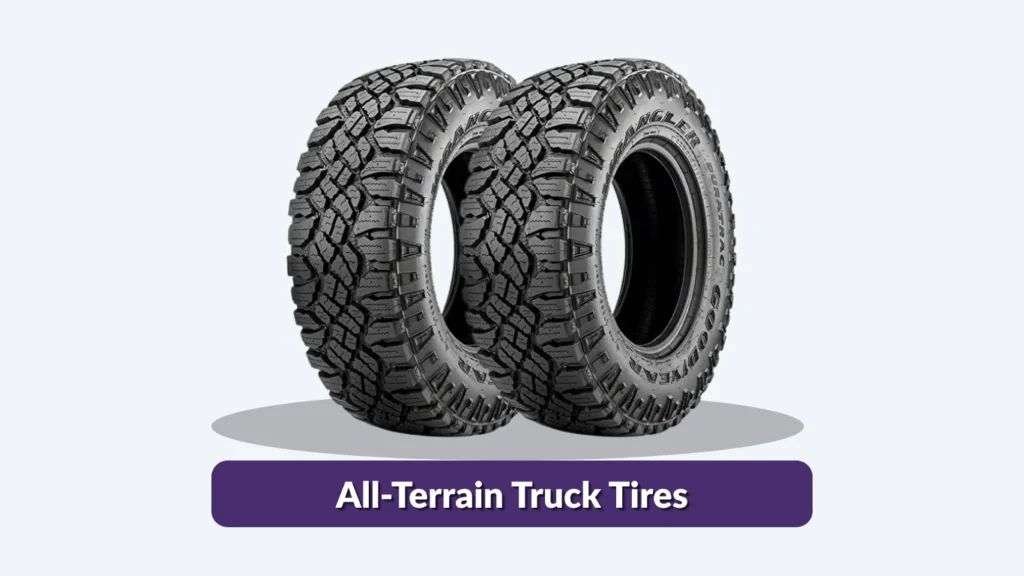
All-terrain truck tires are designed to provide a balance between on-road comfort and off-road capability. They are built for drivers who frequently switch between highways and rough terrains, offering durability, traction, and versatility in various driving conditions.
Key Features
- Aggressive tread pattern for off-road traction
- Reinforced sidewalls for added durability
- Balanced performance for on-road and off-road use
- Good grip on gravel, dirt, and mud
- Moderate road noise compared to highway tires
Purpose and Use
All-terrain truck tires are ideal for pickup trucks and SUVs used in mixed driving environments. They are commonly chosen by drivers who travel on highways but also venture onto dirt roads, trails, or construction sites. These tires are perfect for outdoor activities and light off-road adventures.
Performance in Different Conditions
On paved roads, these tires provide stable handling and acceptable comfort, though they may be slightly noisier than highway tires. Off-road, they perform well on gravel, dirt, and uneven surfaces. They can also handle light snow but are not meant for extreme winter conditions.
Advantages and Limitations
The main advantage of all-terrain tires is their versatility, allowing drivers to confidently handle different surfaces. They are durable and reliable for mixed use. However, they may reduce fuel efficiency slightly and do not match the extreme performance of specialized off-road or winter tires.
3. Mud-Terrain Truck Tires
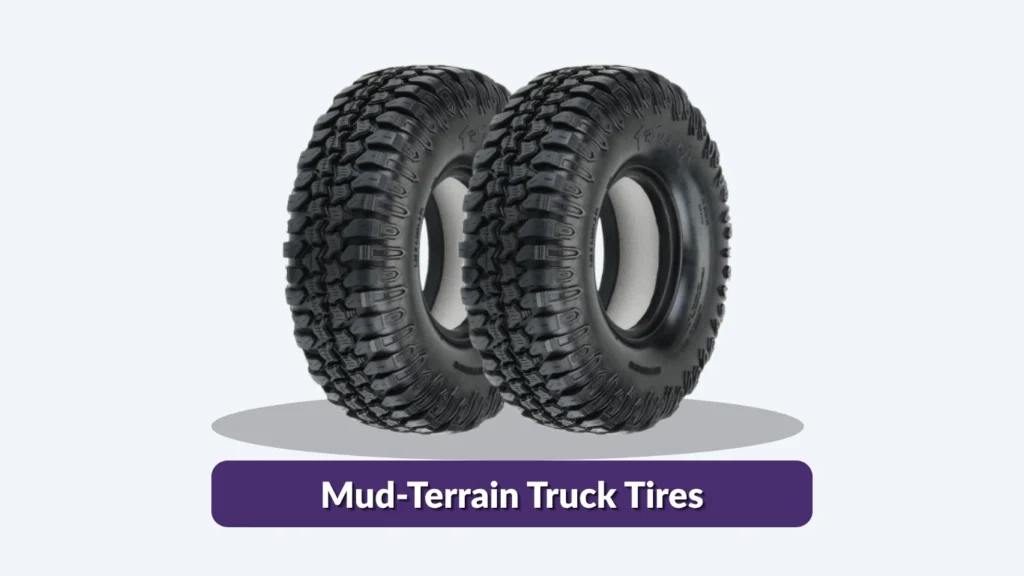
Mud-terrain truck tires are specifically designed for extreme off-road conditions, especially muddy, rocky, and uneven terrains. They feature highly aggressive tread patterns and strong construction to deliver maximum traction and durability where standard tires cannot perform effectively.
Key Features
- Deep, wide tread blocks for superior mud traction
- Self-cleaning design to prevent mud buildup
- Reinforced sidewalls for puncture resistance
- Excellent grip on loose and rugged surfaces
- Built for extreme off-road durability
Purpose and Use
Mud-terrain tires are ideal for trucks used in challenging environments such as off-road trails, farms, construction sites, and rocky landscapes. They are commonly chosen by off-road enthusiasts and drivers who need maximum traction in harsh conditions.
Performance in Different Conditions
In muddy and off-road environments, these tires provide outstanding traction and control, helping prevent slipping. They also perform well on rocks and loose soil. However, on paved roads, they can be noisy, less comfortable, and offer reduced grip in wet conditions compared to standard tires.
Advantages and Limitations
The biggest advantage of mud-terrain tires is their exceptional off-road capability and durability. They handle extreme conditions with ease. However, they produce more road noise, reduce fuel efficiency, and are not suitable for regular highway driving due to lower comfort and performance.
4. Highway Truck Tires
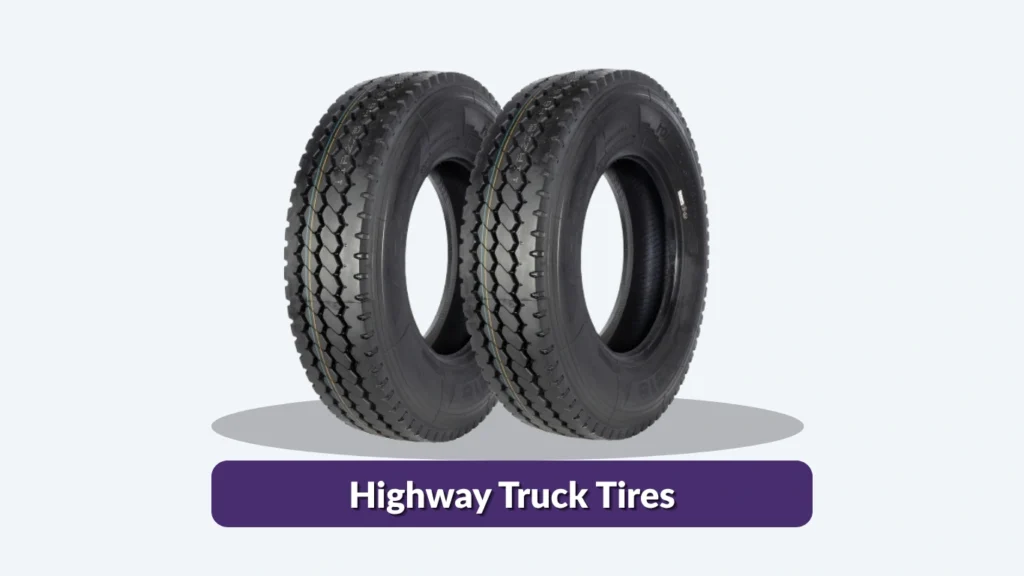
Highway truck tires are designed for smooth, efficient, and comfortable driving on paved roads. They focus on fuel efficiency, long tread life, and low noise, making them ideal for trucks that spend most of their time on highways and city roads.
Key Features
- Smooth tread pattern for quiet performance
- Long-lasting tread for extended mileage
- Low rolling resistance for better fuel efficiency
- Stable handling at high speeds
- Comfortable and vibration-free ride
Purpose and Use
Highway truck tires are ideal for pickup trucks and light-duty trucks used mainly on paved roads. They are commonly chosen for daily commuting, long-distance highway travel, and light hauling. These tires are best suited for drivers who prioritize comfort and efficiency over off-road capability.
Performance in Different Conditions
On dry roads, highway tires provide excellent stability and smooth handling. In wet conditions, they offer reliable traction with reduced risk of hydroplaning. However, they are not suitable for off-road terrains or heavy snow, as they lack aggressive tread patterns.
Advantages and Limitations
The main advantage of highway truck tires is their comfort, quiet ride, and fuel efficiency. They are perfect for long-distance travel on smooth roads. However, their limitation is reduced versatility, as they are not designed for rough terrains or extreme weather conditions.
5. Winter Truck Tires
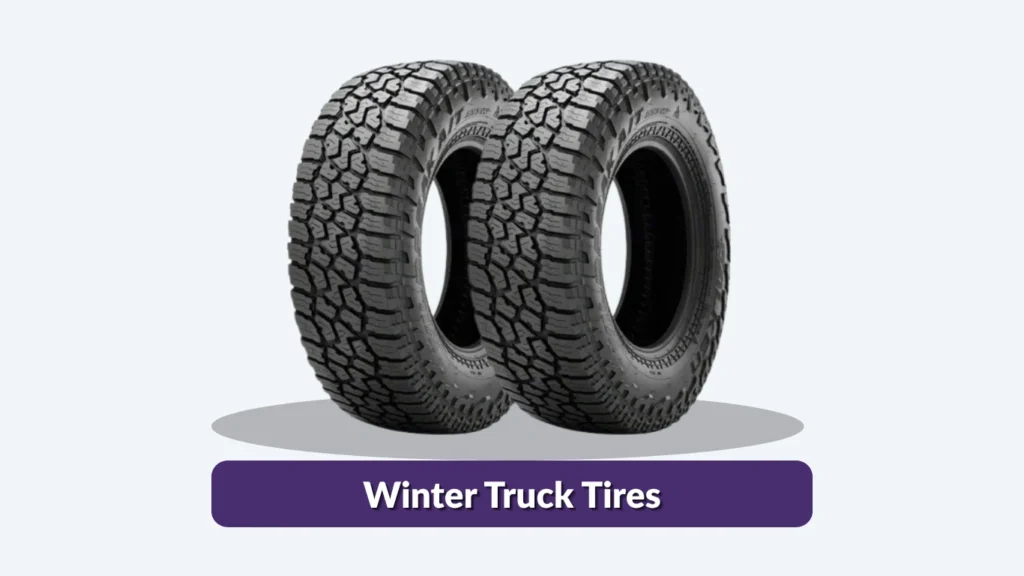
Winter truck tires are specially designed to perform in cold temperatures, snow, and icy conditions. They use softer rubber compounds and deeper tread patterns to maintain grip and flexibility, ensuring safer driving during harsh winter weather.
Key Features
- Soft rubber compound for cold-weather flexibility
- Deep tread patterns for better snow traction
- Enhanced siping for improved grip on ice
- Better braking performance in winter conditions
- Designed for temperatures below 7°C (45°F)
Purpose and Use
Winter truck tires are ideal for drivers who operate their trucks in regions with heavy snowfall and icy roads. They are commonly used during winter months to improve safety and control. These tires are essential for hauling, commuting, and long-distance driving in cold climates.
Performance in Different Conditions
In snowy and icy conditions, winter tires provide excellent traction and stability, reducing the risk of slipping. They also perform well on cold, dry roads. However, in warm weather, they wear out faster and lose effectiveness due to their soft rubber composition.
Advantages and Limitations
The main advantage of winter truck tires is their superior grip and safety in extreme cold conditions. They offer better braking and control compared to all-season tires in winter. However, they are not suitable for year-round use, as they wear quickly in warm temperatures and may reduce fuel efficiency.
6. Performance Truck Tires
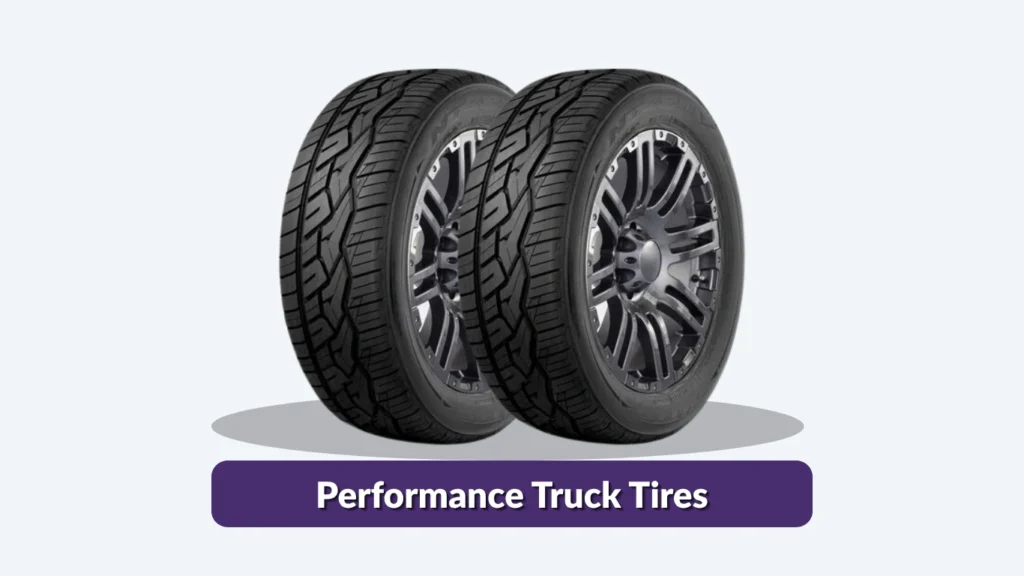
Performance truck tires are designed to enhance speed, handling, and overall driving responsiveness. They are built for trucks that require better grip and control, especially at higher speeds, making them suitable for sporty driving and performance-oriented vehicles.
Key Features
- High-grip rubber compound for better traction
- Improved cornering and handling stability
- Shorter braking distances
- Optimized for high-speed performance
- Responsive steering control
Purpose and Use
Performance truck tires are ideal for drivers who want a more dynamic driving experience. They are commonly used on sport trucks and high-performance pickups. These tires are suitable for paved roads where speed, control, and responsiveness are important.
Performance in Different Conditions
In dry conditions, performance truck tires provide excellent grip and sharp handling. In wet conditions, they still offer good traction, depending on tread design. However, they are not suitable for snow or off-road environments due to their performance-focused construction.
Advantages and Limitations
The main advantage of performance truck tires is improved handling, stability, and braking at higher speeds. They enhance driving confidence and control. However, they tend to wear faster and are less effective in extreme weather or rough terrain compared to specialized tires.
7. Touring Truck Tires
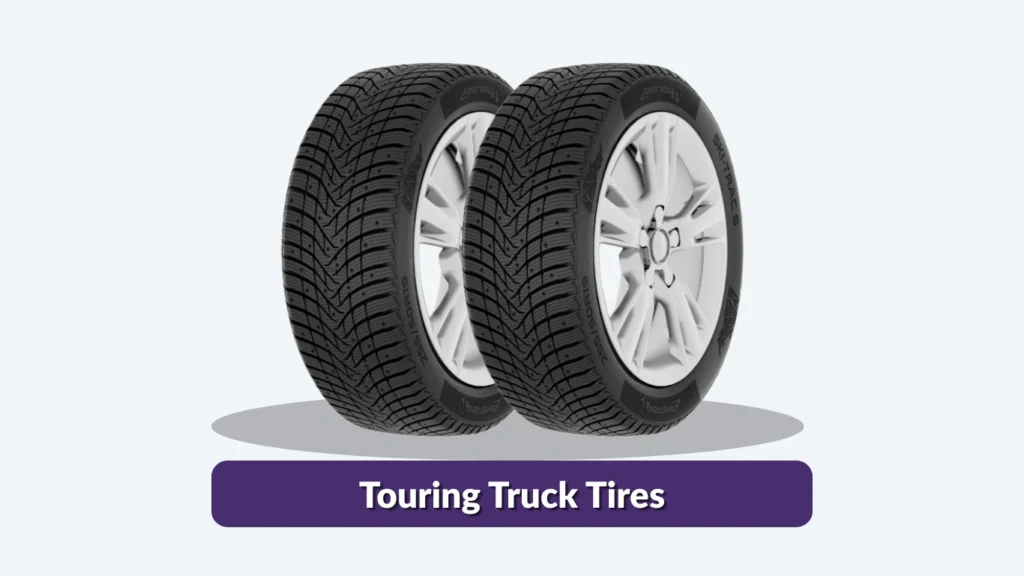
Touring truck tires are designed to provide a smooth, quiet, and comfortable driving experience while maintaining durability and long tread life. They focus on balanced performance, making them ideal for everyday use and long-distance travel.
Key Features
- Long-lasting tread for extended mileage
- Reduced road noise for a quieter ride
- Smooth and comfortable driving experience
- Even tread wear for better durability
- Good fuel efficiency due to optimized design
Purpose and Use
Touring truck tires are ideal for drivers who prioritize comfort and reliability. They are commonly used on pickup trucks and SUVs for daily commuting, family use, and highway driving. These tires are well-suited for long trips where ride quality and stability are important.
Performance in Different Conditions
On dry roads, touring tires provide stable handling and a comfortable ride. In wet conditions, they offer reliable traction and control. Some models can handle light snow, but they are not designed for harsh winter environments or off-road use.
Advantages and Limitations
The main advantage of touring truck tires is their comfort, quiet operation, and long lifespan. They are cost-effective for regular use and long-distance driving. However, they do not provide the aggressive traction needed for off-road conditions or extreme weather, limiting their versatility.
8. Off-Road Truck Tires
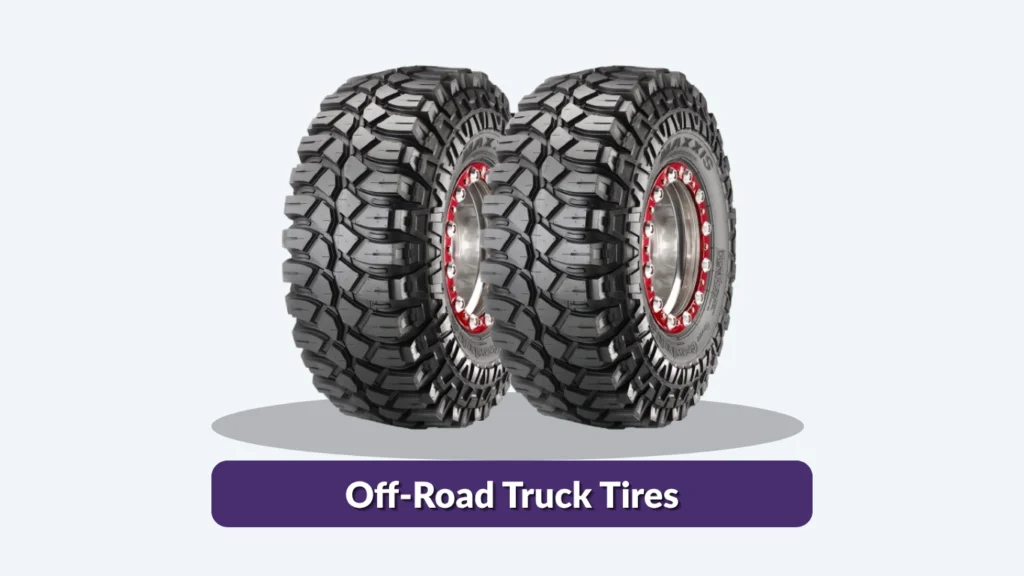
Off-road truck tires are designed for rugged terrains such as rocks, dirt, sand, and uneven trails. They feature aggressive tread patterns and strong construction to provide maximum traction and durability in challenging environments.
Key Features
- Deep, aggressive tread for strong off-road grip
- Reinforced sidewalls for puncture resistance
- Wide grooves for handling loose surfaces
- Durable build for harsh conditions
- Enhanced traction on rocks, sand, and dirt
Purpose and Use
Off-road truck tires are ideal for trucks that frequently travel beyond paved roads. They are commonly used by adventure drivers, construction workers, and outdoor enthusiasts. These tires are built for tough environments where standard tires cannot perform effectively.
Performance in Different Conditions
In off-road conditions, these tires deliver excellent traction and stability on rough and uneven surfaces. They perform well on rocks, dirt, and sand. However, on paved roads, they may produce more noise and offer less comfort compared to highway or touring tires.
Advantages and Limitations
The main advantage of off-road truck tires is their ability to handle extreme terrains with confidence and durability. They are reliable in tough conditions. However, they tend to be noisier, reduce fuel efficiency, and are less comfortable for everyday highway driving.
9. Commercial Truck Tires
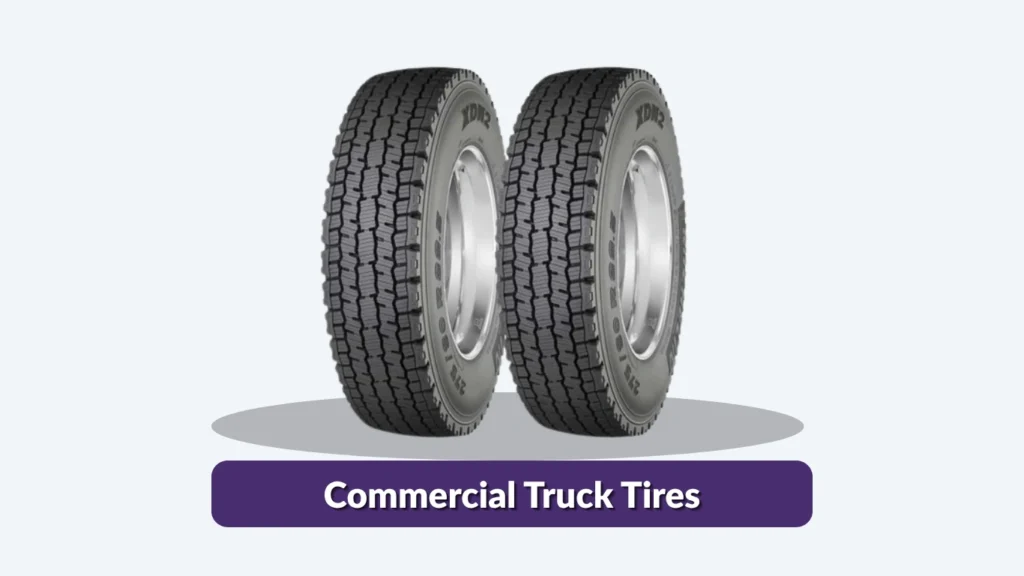
Commercial truck tires are designed for heavy-duty use, offering high durability, load capacity, and long-lasting performance. They are built to handle frequent use, heavy loads, and long distances, making them essential for business and industrial transportation.
Key Features
- High load-carrying capacity
- Durable construction for long-term use
- Deep tread for extended mileage
- Strong resistance to wear and tear
- Designed for frequent and heavy-duty operation
Purpose and Use
Commercial truck tires are ideal for trucks used in transportation, logistics, delivery services, and construction work. They are commonly found on medium to heavy-duty trucks that require reliable performance under continuous use and heavy loads.
Performance in Different Conditions
On highways, commercial tires provide stability and long-lasting performance, even under heavy loads. They also perform well on urban roads and industrial areas. However, their performance may vary depending on specific tread types, and they are not designed for extreme off-road conditions.
Advantages and Limitations
The main advantage of commercial truck tires is their strength and durability, allowing them to handle heavy loads and long distances efficiently. They are cost-effective over time due to their long lifespan. However, they may be heavier and less focused on comfort compared to standard passenger or light truck tires.
10. Trailer (ST) Tires
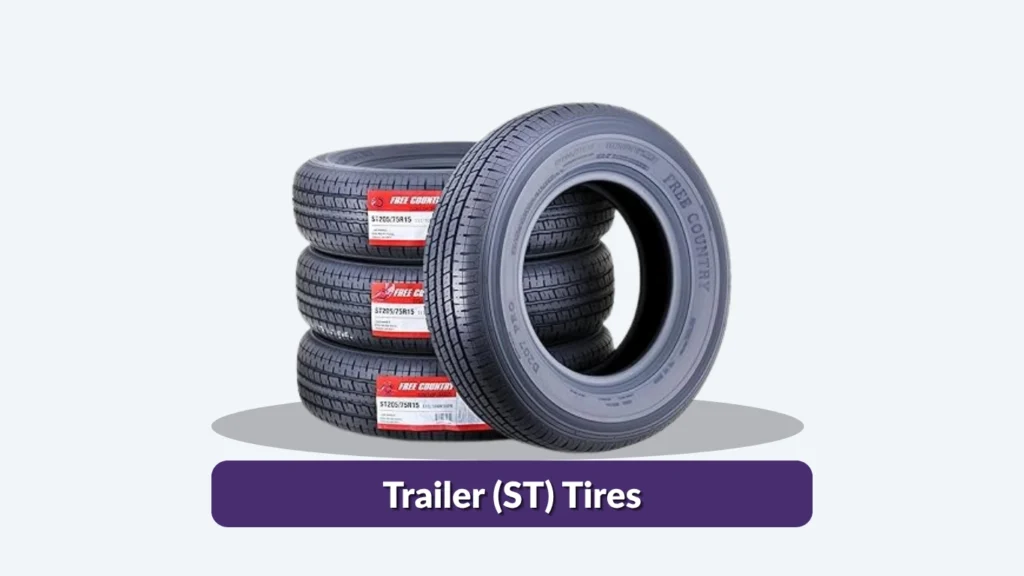
Trailer (ST – Special Trailer) tires are specifically designed for trailers rather than powered vehicles. They are built to handle heavy loads, maintain stability, and reduce sway while towing, making them essential for safe and efficient trailer operation.
Key Features
- Designed for high load-carrying capacity
- Strong sidewalls for improved stability
- Built to reduce trailer sway
- Durable construction for long-distance towing
- Heat-resistant materials for extended use
Purpose and Use
Trailer tires are used on utility trailers, travel trailers, boat trailers, and campers. They are ideal for towing applications where stability and load support are critical. These tires are not meant for driving vehicles but are essential for safe transportation of heavy loads.
Performance in Different Conditions
On highways, trailer tires provide stable and controlled towing performance, even at higher speeds. They are designed to handle long-distance travel and heavy loads. However, they are not suitable for off-road use or driving applications, as they are optimized only for trailer support.
Advantages and Limitations
The main advantage of trailer tires is their ability to safely carry heavy loads while maintaining stability during towing. They help reduce sway and improve control. However, they are limited to trailer use only and cannot be used on trucks or other powered vehicles due to their specialized design.
11. Run-Flat Truck Tires
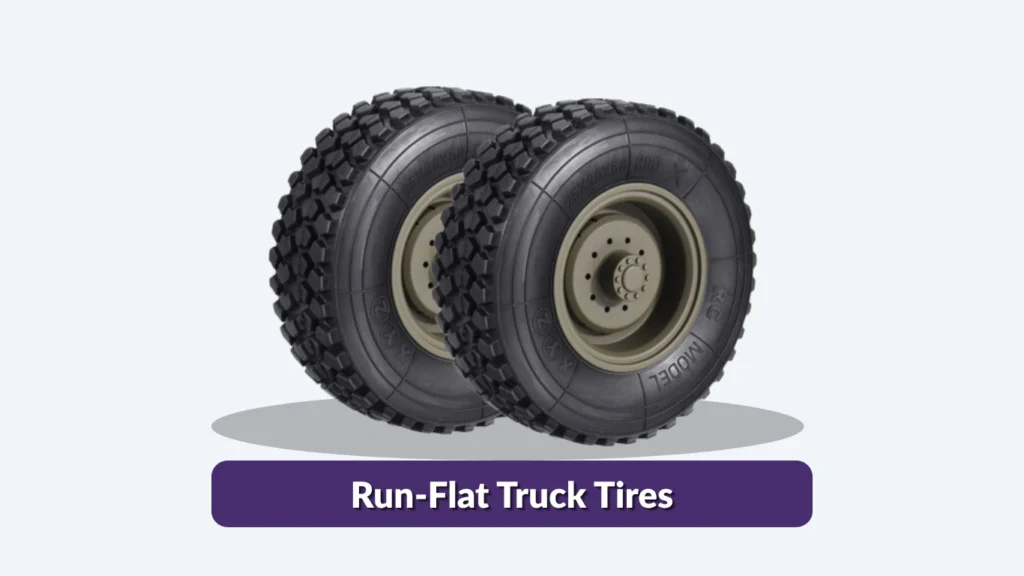
Run-flat truck tires are designed to continue functioning even after a loss of air pressure. They allow drivers to keep driving for a limited distance at a reduced speed, providing added safety and convenience during emergencies.
Key Features
- Reinforced sidewalls to support weight without air
- Ability to drive short distances after a puncture
- Maintains stability during sudden pressure loss
- Reduces need for immediate roadside tire change
- Compatible with tire pressure monitoring systems (TPMS)
Purpose and Use
Run-flat truck tires are ideal for drivers who want extra safety and convenience, especially during long trips or in remote areas. They are commonly used in modern trucks and SUVs where avoiding sudden stops is important.
Performance in Different Conditions
Under normal conditions, run-flat tires perform similarly to standard tires, offering stable handling and good traction. After a puncture, they allow controlled driving at reduced speeds. However, due to their stiff structure, they may feel slightly less comfortable on rough roads.
Advantages and Limitations
The main advantage of run-flat truck tires is increased safety, as they reduce the risk of being stranded after a puncture. They also eliminate the immediate need for a spare tire. However, they are more expensive, may provide a firmer ride, and typically need replacement rather than repair after damage.
12. Low Rolling Resistance (Eco) Truck Tires
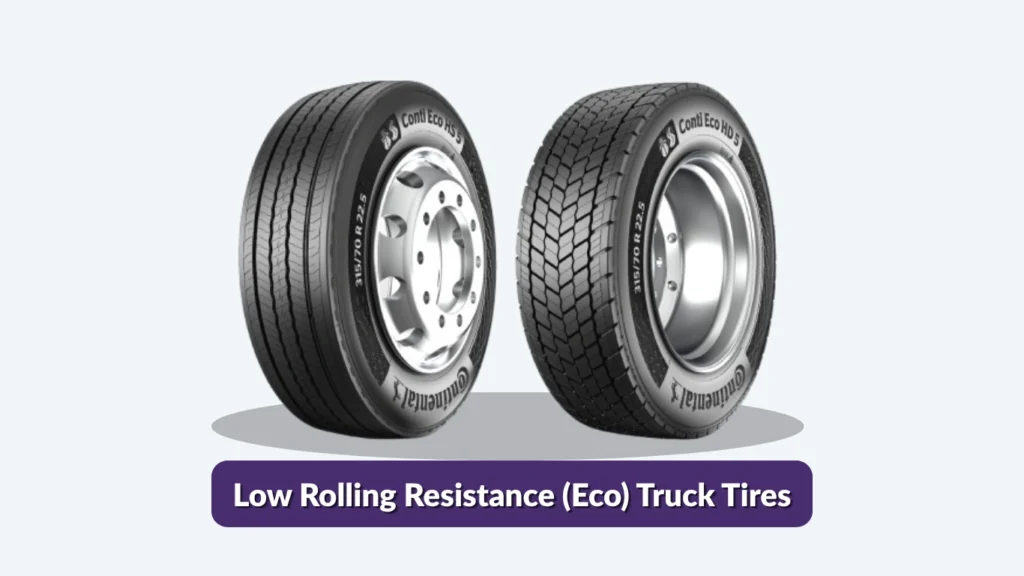
Low rolling resistance (eco) truck tires are designed to improve fuel efficiency by reducing the energy required for the tire to move. They use advanced materials and tread designs to minimize friction with the road, helping lower fuel consumption and operating costs.
Key Features
- Reduced rolling resistance for better fuel economy
- Special rubber compounds to minimize energy loss
- Lightweight construction for improved efficiency
- Lower carbon emissions
- Long tread life for cost savings
Purpose and Use
Eco truck tires are ideal for drivers and businesses looking to reduce fuel costs and environmental impact. They are commonly used in commercial trucks, delivery vehicles, and long-haul transport where efficiency is a top priority.
Performance in Different Conditions
On highways, these tires provide smooth and efficient performance with stable handling. They perform well in dry and moderately wet conditions. However, their focus on efficiency may result in slightly less grip compared to performance-oriented tires, especially in aggressive driving situations.
Advantages and Limitations
The main advantage of eco truck tires is improved fuel efficiency, which reduces operating costs over time. They also contribute to lower emissions and a quieter ride. However, they may offer slightly reduced traction and are not ideal for off-road or high-performance driving conditions.
13. Heavy-Duty Load Range Tires
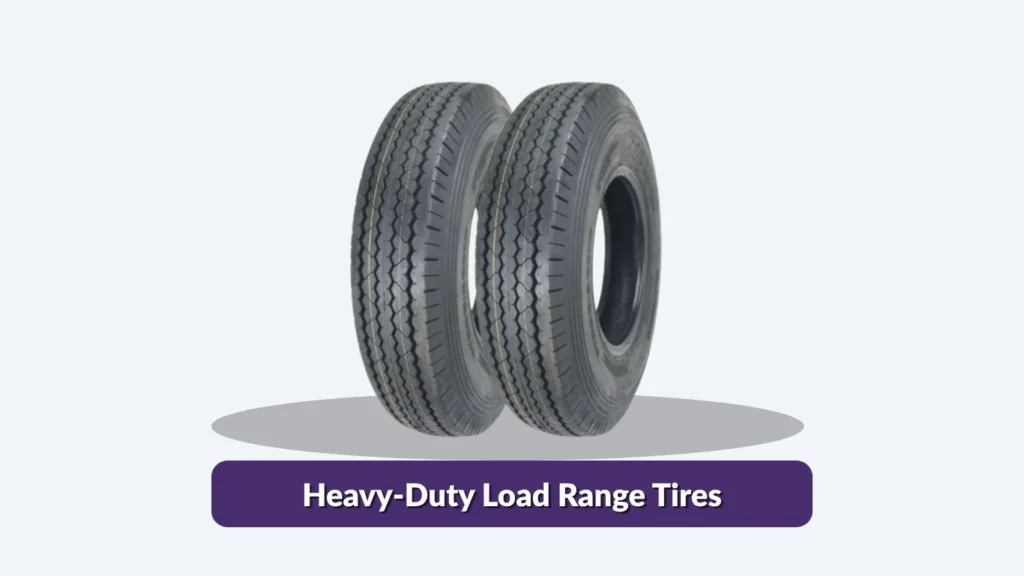
Heavy-duty load range tires are designed to carry extremely heavy loads while maintaining strength and stability. They are built with reinforced materials and higher load ratings, making them suitable for trucks that handle demanding work conditions and heavy cargo.
Key Features
- High load rating for carrying heavy weights
- Reinforced construction for extra strength
- Thick sidewalls for durability and support
- Improved resistance to wear and damage
- Designed for demanding work environments
Purpose and Use
These tires are ideal for trucks used in construction, towing, hauling, and industrial applications. They are commonly found on heavy-duty pickup trucks and work vehicles that require strong and reliable tire performance under heavy loads.
Performance in Different Conditions
On highways, heavy-duty tires provide stability and support even under maximum load. They also perform well on rough work sites and uneven surfaces. However, due to their strong build, they may feel stiffer and less comfortable on smooth roads.
Advantages and Limitations
The main advantage of heavy-duty load range tires is their ability to handle extreme weight safely and efficiently. They are durable and reliable for tough jobs. However, they are heavier, may reduce ride comfort, and can slightly impact fuel efficiency compared to standard truck tires.
FAQs
What are the best truck tires for daily driving?
All-season and highway truck tires are the best choices for daily driving. They offer a balance of comfort, durability, and fuel efficiency. These tires are ideal for city roads and highways, making them suitable for most truck owners who do not require off-road performance.
How often should truck tires be replaced?
Truck tires should typically be replaced every 4 to 6 years, depending on usage, load, and road conditions. Regular inspections are important, and if tread depth is low or visible damage appears, replacing them sooner ensures better safety and performance.
Can I use all-terrain tires on highways?
Yes, all-terrain tires can be used on highways. They provide stable handling and decent comfort, although they may produce more noise and slightly reduce fuel efficiency compared to highway tires. They are a good choice for drivers who need both on-road and off-road capability.
What is the difference between load range tires and regular tires?
Load range tires are built to carry heavier weights and have stronger construction compared to regular tires. They are designed for trucks that handle heavy loads or towing, while regular tires focus more on comfort and everyday driving performance.
Are expensive truck tires worth it?
Higher-priced truck tires often provide better durability, safety, and performance. They usually last longer and offer improved traction and reliability. While budget options may work for light use, investing in quality tires can save money over time through better lifespan and performance.