
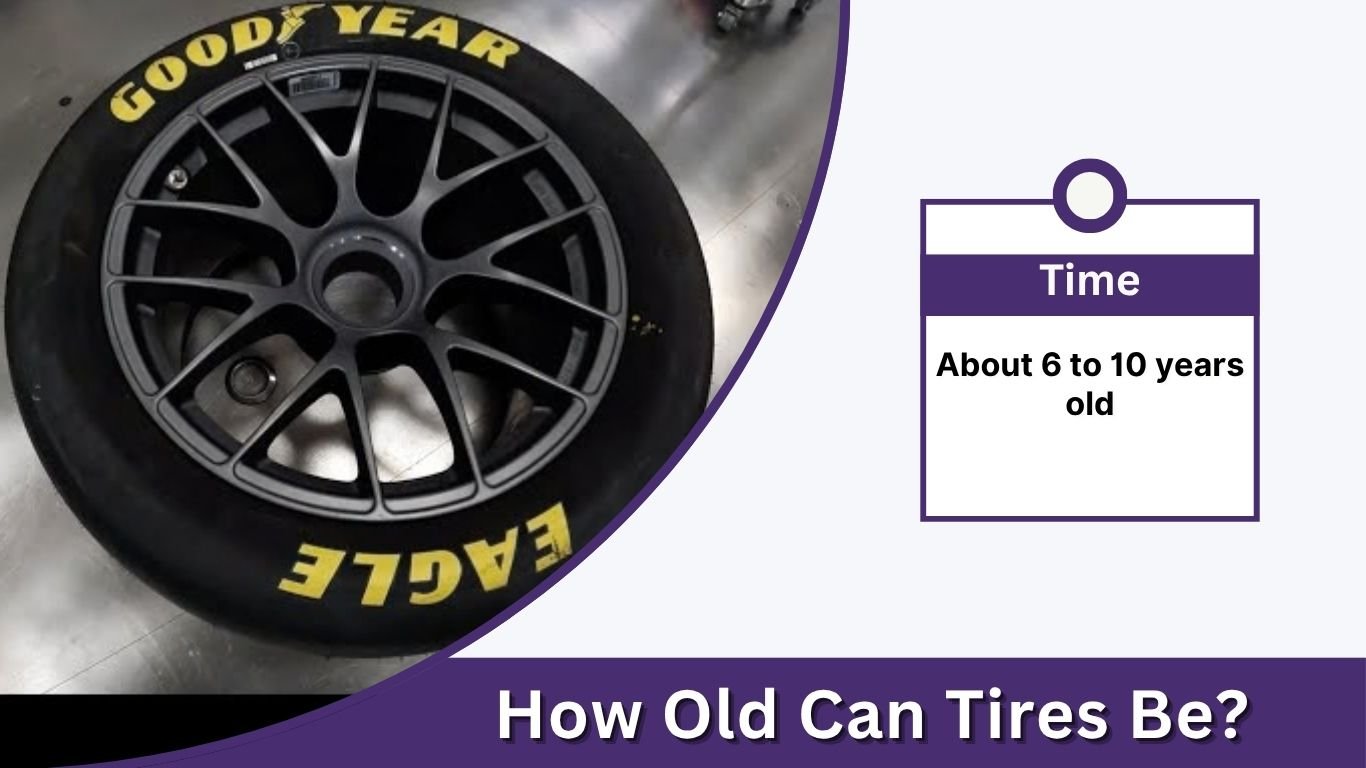
How old can tires be before they become unsafe? Tire age matters even when the tread still looks good. As rubber ages, exposure to heat, sunlight, oxygen, storage conditions, and repeated use can gradually weaken tire materials. NHTSA notes that some vehicle and tire manufacturers recommend replacement when tires reach about 6 to 10 years old, regardless of remaining tread. Regular inspections become especially important as tires get older because age-related deterioration is not always visible.
How Old Can Tires Be and Still Be Safe?
There is no single age at which every tire suddenly becomes unsafe. Tire construction, climate, mileage, storage, maintenance, and vehicle use all affect aging. However, age should become an increasingly important consideration after approximately five years. NHTSA advises drivers to follow the recommendations of their vehicle and tire manufacturers because some call for replacement between six and ten years.
Is a 5-Year-Old Tire Safe?
A five-year-old tire is not automatically unsafe. If it has adequate tread, no structural damage, proper inflation, and has been stored and maintained correctly, it may still be serviceable.
However, this is a good point to increase inspections. Michelin recommends that tires receive a thorough annual inspection after five years of use and recommends replacement by ten years from the manufacture date as a precaution.
Are 6-Year-Old Tires Too Old?
Six-year-old tires deserve careful evaluation. Some vehicle manufacturers recommend replacement at around six years regardless of tread depth, while other tire manufacturers allow continued service with inspections. NHTSA specifically notes that manufacturer recommendations commonly fall between six and ten years.
Therefore, check your vehicle owner’s manual and tire manufacturer’s recommendations rather than using age alone.
Can Tires Be 10 Years Old?
A ten-year-old tire should generally be considered ready for replacement rather than continued routine use. Michelin recommends removing tires from service by ten years from their manufacture date regardless of remaining tread.
An older tire may look acceptable externally while its rubber and internal materials have continued to age.
How Old Can Tires Be Before Replacing Them?
Replacement decisions should combine age with tread condition, damage, maintenance history, and manufacturer guidance. A tire may need replacement much earlier than its expected age if it has excessive wear, puncture damage, sidewall deterioration, or irregular wear. Similarly, a lightly driven tire can become old without accumulating many miles.
General Tire Age Guidelines
A practical way to think about tire age is:
- 0–4 years: Usually within normal service life if condition is good.
- 5 years: Begin more careful and regular age-related inspections.
- 6 years: Check the vehicle manufacturer’s replacement recommendation.
- 6–10 years: Continued use depends heavily on manufacturer guidance and professional inspection.
- 10 years: Replacement is generally recommended regardless of tread condition.
These are general guidelines rather than a guarantee that every tire remains safe until a certain birthday.
Age Is Not the Only Replacement Factor
A three-year-old tire can require replacement sooner than a six-year-old tire if it has been damaged or severely neglected. Factors such as repeated underinflation, overloading, pothole impacts, extreme heat, and poor alignment can shorten service life considerably.
Conversely, low mileage does not stop rubber from aging.
How to Tell How Old a Tire Is
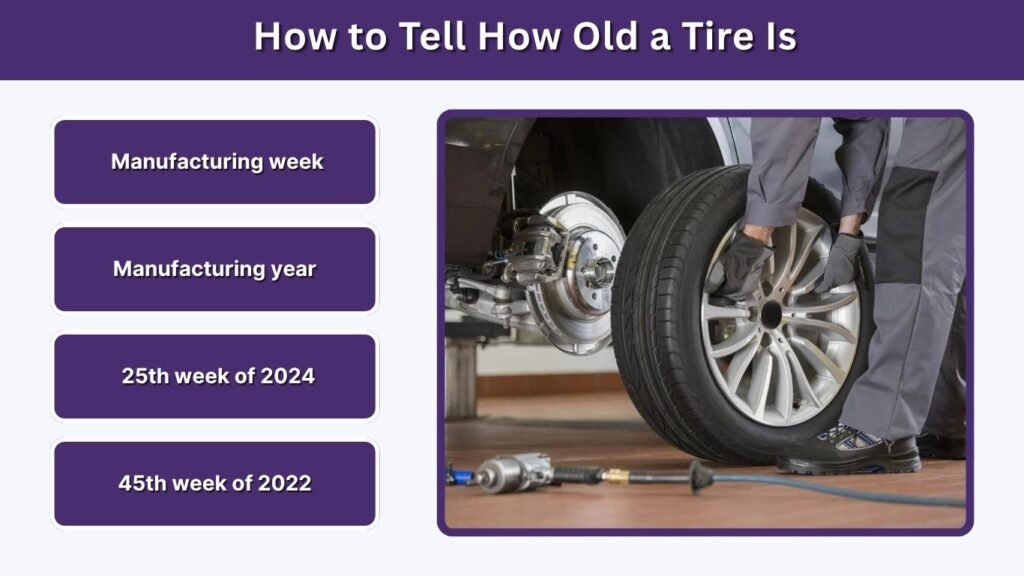
You do not need purchase records to determine your tire’s manufacturing date. Tires sold for highway use in the United States carry a Tire Identification Number, commonly called the DOT or TIN code. NHTSA explains that the final four digits identify when the tire was manufactured.
Read the DOT Date Code
Look for the Tire Identification Number on the sidewall. The final four digits indicate:
- First two digits: Manufacturing week
- Last two digits: Manufacturing year
- 2524: 25th week of 2024
- 1023: 10th week of 2023
- 4522: 45th week of 2022
The complete date code may appear on only one side of the tire, so you may need to check both sidewalls.
Does a DOT Code Show Tire Expiration?
No. The DOT date portion tells you when the tire was manufactured; it is not an automatic expiration date.
The DOT marking also indicates that the tire conforms to applicable federal motor-vehicle safety requirements. Actual replacement timing still depends on condition and the recommendations of the tire and vehicle manufacturers.
Signs an Older Tire May Be Unsafe
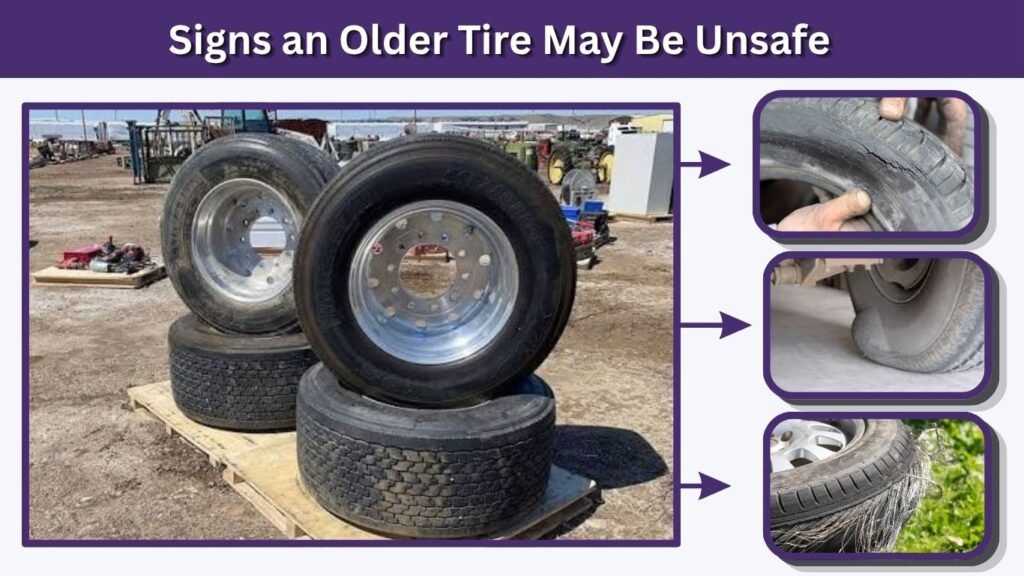
Tire age should never be evaluated without checking physical condition. Some deterioration can be difficult to identify visually, but there are still warning signs that should not be ignored. NHTSA recommends professional inspection when a tire develops inflation problems, unusual noise, vibration, or other performance concerns.
Warning Signs to Check
Inspect older tires for:
- Sidewall cracks or dry-looking rubber
- Bulges or bubbles
- Exposed cords or internal material
- Uneven tread wear
- Repeated pressure loss
- Cuts or deep punctures
- Unusual vibration while driving
- Tread worn to the wear indicators
- Tread depth at or below 2/32 inch
NHTSA considers 2/32 inch the minimum tread depth at which replacement is necessary.
Cracking and Dry Rot
Small cracks can appear as rubber ages because of oxidation, sunlight, ozone, and temperature changes. Severe or deep sidewall cracking can indicate significant deterioration.
Michelin advises replacing a tire with serious sidewall damage and recommends professional evaluation when age-related deterioration becomes evident.
How Old Can New Tires Be?
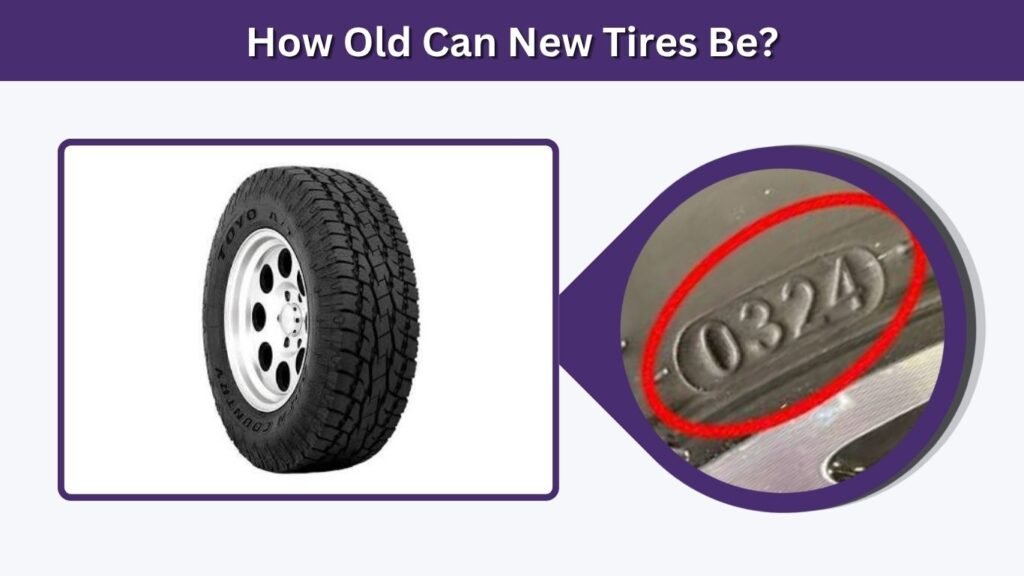
A tire can technically be unused while already being months or even years old because tire age starts on its manufacturing date, not the day you purchase it. This makes checking the DOT code worthwhile when buying tires, especially if a tire has been stored for an extended period.
Can an Older Tire Still Be Sold as New?
“New” generally means that a tire has not previously been used, not necessarily that it was manufactured recently. Tire age regulations and retailer policies can vary, so consumers should check the manufacture date and ask the seller about storage history before purchasing older inventory.
A tire that has been stored properly can age differently from one exposed to excessive heat, sunlight, moisture, or chemicals.
Check the Date Before Installation
Before accepting new tires, consider:
- Checking all four DOT date codes
- Comparing their manufacturing dates
- Asking how older stock was stored
- Reviewing the manufacturer’s age recommendations
- Confirming warranty terms
- Avoiding tires showing cracks or deterioration
Manufacturing date becomes particularly important when you expect to keep a low-mileage vehicle for many years.
How Old Can Spare Tires Be?
Spare tires are easily forgotten because they may remain unused for years. However, they still age. Heat, oxygen, environmental exposure, and time affect spare tires even when they have never touched the road.
Spare Tires Also Need Replacement
NHTSA warns that spare tires are particularly susceptible to aging because they are rarely replaced. A full-size spare should not simply become a permanent replacement for a worn road tire merely because its tread looks new.
Bridgestone recommends replacing a spare tire ten years after its manufacture date regardless of apparent condition or tread depth.
How Old Can Motorcycle and Trailer Tires Be?
Motorcycle and trailer tires experience different stresses from ordinary passenger-car tires, so age should be evaluated alongside their specific manufacturer’s guidance. Motorcycles depend heavily on tire grip and stability, while trailer tires may sit unused for long periods while supporting weight.
Motorcycle Tires
A motorcycle tire should not be considered safe merely because it has deep tread. Age, heat cycles, storage, inflation, load, and riding conditions all matter.
Older motorcycle tires with cracking, hardened rubber, unusual wear, or questionable storage history should be professionally inspected before continued use.
Trailer and RV Tires
Trailer and RV tires can age while accumulating relatively few miles. Long storage periods, heavy static loads, sunlight, and outdoor exposure can accelerate deterioration.
Inspect these tires before seasonal trips and pay particular attention to the manufacturing date, sidewall condition, inflation pressure, and cracking.
How to Help Tires Last Safely
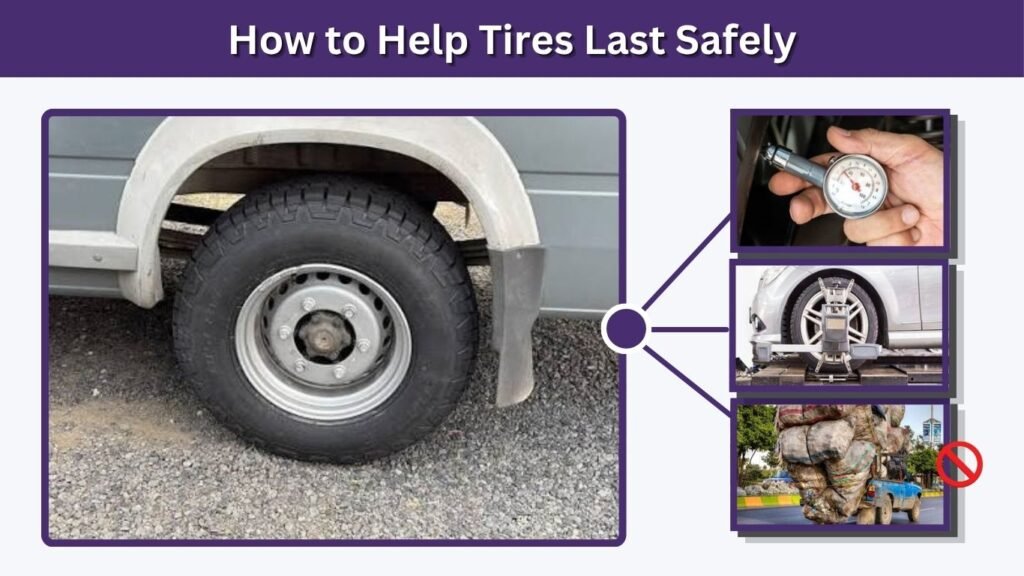
You cannot stop rubber from aging, but proper maintenance can reduce unnecessary deterioration and premature failure. Tire pressure, alignment, storage conditions, driving habits, and environmental exposure all influence tire condition throughout its service life.
Tire Care Tips
To help maintain your tires:
- Check tire pressure regularly.
- Rotate tires at recommended intervals.
- Correct wheel-alignment problems.
- Avoid vehicle overloading.
- Inspect tires before long trips.
- Keep stored tires away from excessive heat.
- Limit unnecessary sunlight exposure during storage.
- Check older tires more frequently.
- Include your spare tire in inspections.
Even well-maintained tires should still follow the applicable vehicle and tire manufacturer’s age recommendations.
FAQs
1. How old can tires be and still be safe?
There is no universal age that applies to every tire. NHTSA says some manufacturers recommend replacement when tires reach six to ten years old, regardless of remaining tread.
2. Is a 7-year-old tire safe?
Possibly, but it requires careful consideration. A seven-year-old tire falls within the age range where manufacturer guidance and professional inspections become especially important. Replace it sooner if it shows cracking, damage, abnormal wear, or performance problems.
3. Are 10-year-old tires safe?
Ten-year-old tires generally should be replaced rather than kept in normal service. Michelin recommends replacement by ten years from the manufacture date even if some usable tread remains.
4. How do I know the age of my tires?
Find the DOT/TIN information on the sidewall. The last four numbers identify the week and year of manufacture. For example, 2524 means the tire was manufactured during the 25th week of 2024.
5. Can tires expire even if they are never used?
Tires can deteriorate with age even when they accumulate little or no mileage. Rubber and other materials change over time due to environmental and storage conditions, which is why old spare and low-mileage tires still require inspection and eventual replacement.