
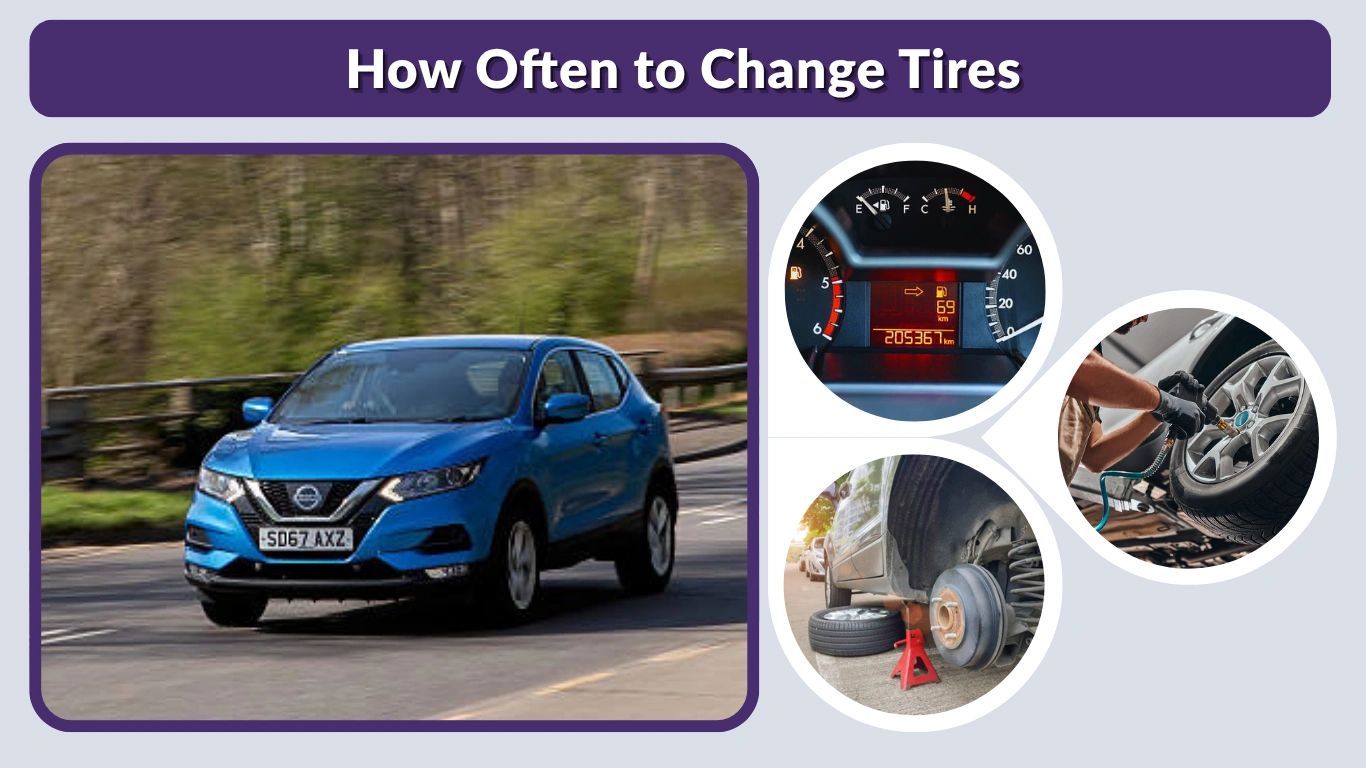
Tires are one of the most important safety components of your vehicle, yet many drivers are unsure when they should be replaced. The simple answer is that most tires need to be changed every 3 to 6 years or after 25,000 to 50,000 miles, depending on usage, road conditions, and maintenance. However, there is no one-size-fits-all rule, and understanding the factors that affect tire lifespan can help you stay safe and save money.
How Often Should You Change Tires?
The frequency of tire replacement depends on both time and mileage. Even if your tires look fine, they may not be safe after a certain period.
Average Tire Lifespan
Most standard car tires last:
- 25,000 to 50,000 miles depending on quality
- Around 3 to 6 years under normal conditions
High-performance tires may wear out faster, while premium tires with proper care can last longer.
Manufacturer Recommendations
Tire manufacturers often recommend:
- Inspecting tires regularly after 3 years
- Replacing them after 6 years, regardless of wear
- Never using tires older than 10 years
Always check your tire’s manufacturing date printed on the sidewall to determine its age.
Key Factors That Affect Tire Lifespan
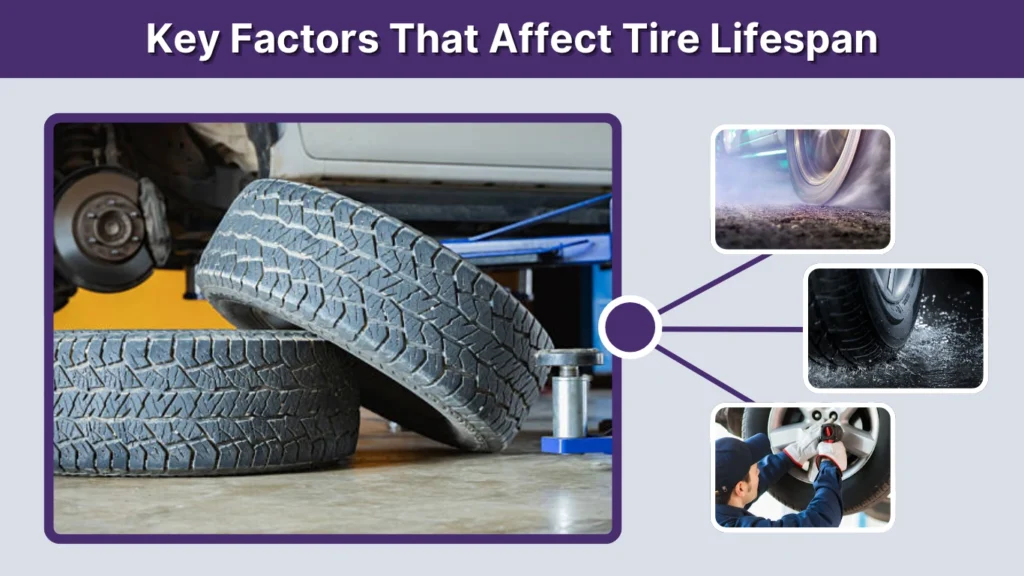
Not all tires wear out at the same rate. Several factors can either extend or shorten their lifespan.
Driving Habits
Your driving style has a big impact on how quickly tires wear out.
- Aggressive braking increases wear
- Fast acceleration reduces lifespan
- High-speed driving generates more heat
- Frequent cornering adds stress to tire edges
Smooth driving helps tires last significantly longer.
Climate and Weather
Environmental conditions also play a major role.
- Hot climates can cause faster rubber degradation
- Cold weather can make tires brittle
- Wet conditions increase wear due to reduced traction
- Rough roads cause uneven damage
Extreme temperatures, especially heat, are one of the biggest enemies of tire longevity.
Tire Maintenance
Proper care can dramatically extend tire life.
- Maintaining correct air pressure prevents uneven wear
- Regular tire rotation ensures even usage
- Wheel alignment keeps tires balanced
- Routine inspections help catch early damage
Neglecting maintenance is one of the most common reasons tires wear out early.
Signs You Need to Change Your Tires
Instead of relying only on time or mileage, you should also look for physical and performance signs that indicate your tires need replacement.
Visible Wear Indicators
- Tread depth is below safe levels
- Cracks appear on the sidewalls
- Bulges or blisters form on the tire
- Uneven wear patterns develop
A simple way to check tread depth is using the coin test—if the tread is too shallow, it’s time to replace the tire.
Performance Issues
Sometimes the warning signs appear while driving.
- Reduced traction on wet roads
- Longer braking distance
- Vibrations while driving
- Poor handling or slipping
If your car feels less stable than usual, your tires may be worn out even if they look okay.
Tire Replacement Based on Mileage vs Time
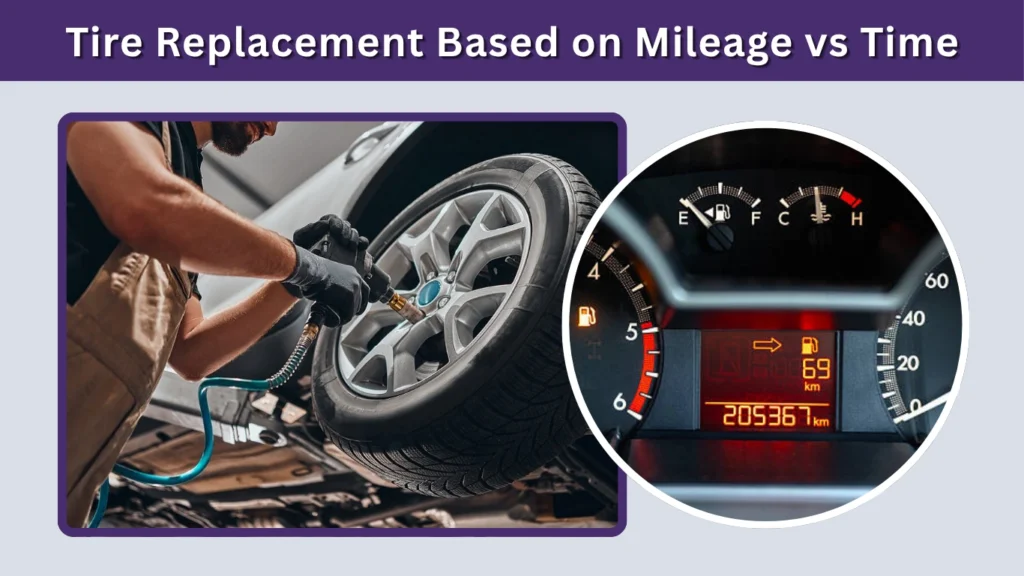
Many drivers wonder whether they should replace tires based on mileage or age. The answer is: both matter.
Mileage-Based Replacement
| Mileage Range | Recommendation |
| 25,000 miles | Inspect tires carefully |
| 50,000 miles | Likely time to replace |
| 70,000+ miles | Replace immediately |
Mileage is a useful guideline, especially for daily drivers.
Time-Based Replacement
Even if your car isn’t driven often, tires still age.
- Replace tires every 5–6 years
- Rubber hardens and loses flexibility over time
- Old tires may crack or fail suddenly
Low mileage does not mean your tires are safe. Age-related wear can be just as dangerous as physical wear.
How Often to Change Tires for Different Vehicles
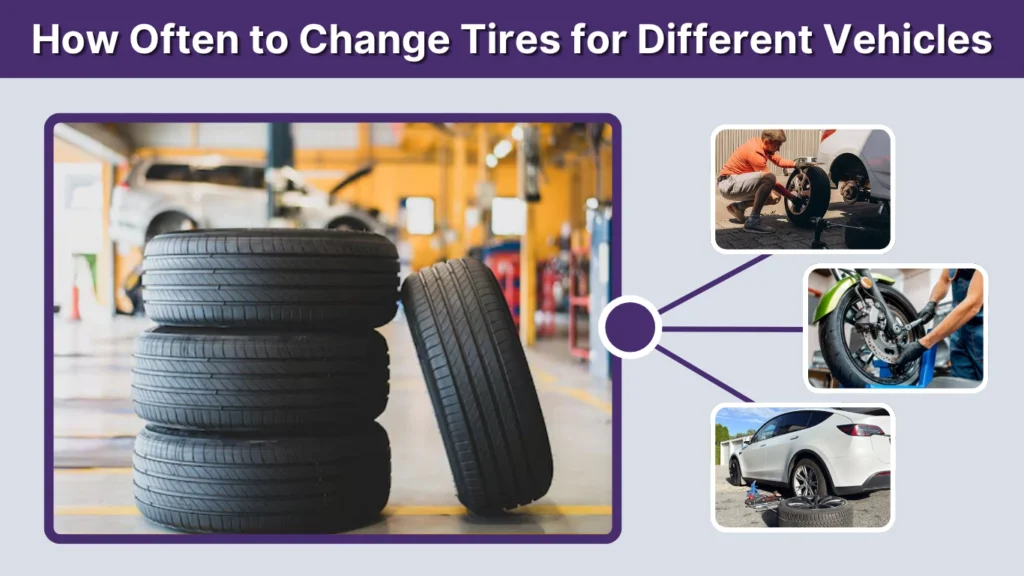
Not all vehicles use tires in the same way. Different types of vehicles place different levels of stress on tires.
Car Tires
Standard passenger vehicles follow the general rule of 25,000–50,000 miles or 3–6 years. Proper maintenance can extend this range.
Motorcycle Tires
Motorcycle tires wear out faster because:
- They have less surface area
- They handle more direct road contact
- They are more sensitive to riding style
Most motorcycle tires need replacement more frequently than car tires, especially for high-performance riding.
Tesla and Electric Vehicle Tires
Electric vehicles (EVs) like Tesla tend to wear tires faster due to:
- Heavier battery weight
- Instant torque during acceleration
- Increased stress on tires
EV owners often need to replace tires sooner than traditional car drivers.
Bicycle Tires
Bicycle tires don’t follow mileage rules like cars.
- Replace when tread wears out
- Look for cracks or thinning rubber
- Monitor performance and grip
Frequent riders may need to change bike tires more often.
Seasonal Tire Replacement Guide
Seasonal changes can significantly affect tire performance and lifespan. Different types of tires are designed for specific weather conditions, so knowing when to replace them is important for safety and efficiency.
Winter Tires
Winter tires are made for cold temperatures and snowy conditions.
- Typically last 3–4 winter seasons
- Replace when tread depth is low
- Rubber wears faster in warm weather
Using winter tires year-round can reduce their lifespan quickly.
All-Season Tires
All-season tires are designed for moderate conditions throughout the year.
- Balanced performance in most climates
- Lifespan depends on driving habits
- May wear faster in extreme heat or cold
They are convenient but may not perform as well as specialized tires in harsh conditions.
How to Make Your Tires Last Longer
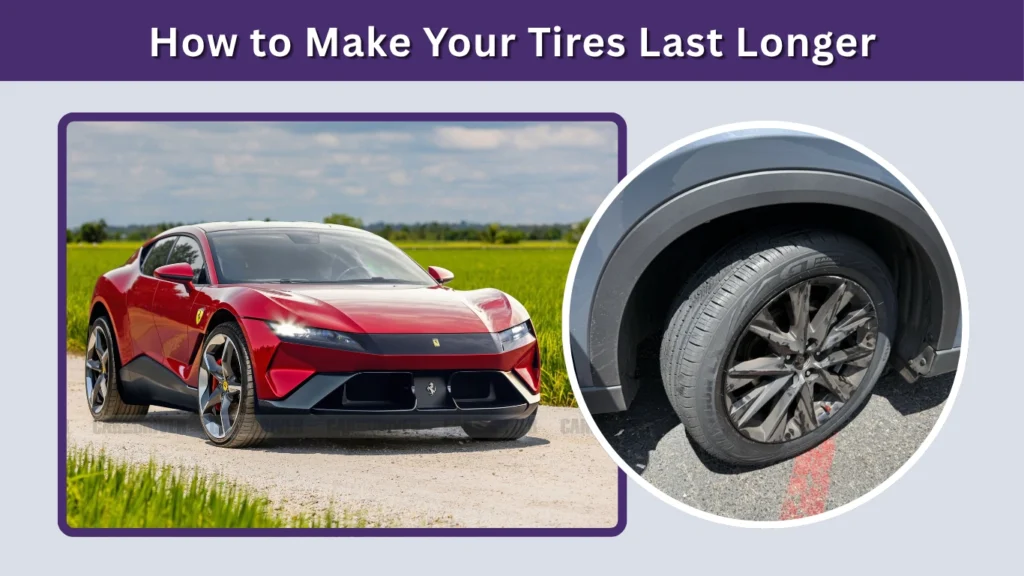
Proper care and maintenance can extend the life of your tires and improve safety.
Tire Maintenance Tips
- Rotate tires every 5,000–8,000 miles
- Keep tires properly inflated
- Check alignment regularly
- Avoid sudden braking and acceleration
- Inspect tires monthly for damage
Consistent maintenance not only saves money but also ensures better driving performance.
Cost of Changing Tires
The cost of replacing tires varies based on quality, brand, and vehicle type. Understanding the price range helps you plan ahead.
Average Tire Replacement Cost
| Tire Type | Cost Range (Per Tire) |
| Budget tires | $50 – $100 |
| Mid-range | $100 – $200 |
| Premium | $200 – $500+ |
Additional costs may include installation, balancing, and alignment.
When Should You Replace All Four Tires?
In many cases, replacing all four tires at once is recommended for better balance and safety.
Situations Where Full Replacement Is Best
- Uneven wear across all tires
- Driving an all-wheel-drive vehicle
- Tires are the same age and condition
- You want consistent performance
Replacing only one or two tires may lead to imbalance, especially in certain vehicle types.
FAQs
How often should tires be replaced?
Most tires should be replaced every 3 to 6 years or after 25,000 to 50,000 miles, depending on usage, maintenance, and driving conditions. Regular inspections help determine the right time.
Can tires last 10 years?
Tires can technically last up to 10 years, but most manufacturers recommend replacing them after 6 years for safety. Rubber degrades over time, even if the tire looks unused.
How do I know if my tires are worn out?
Look for signs like low tread depth, cracks, bulges, vibrations, and poor traction. These indicators suggest that your tires may no longer be safe to use.
Do electric vehicles wear tires faster?
Yes, electric vehicles often wear tires faster due to their heavier weight and instant torque. This puts more pressure on the tires compared to traditional vehicles.
Should I replace all four tires at once?
In most cases, yes. Replacing all four tires ensures balanced handling, better traction, and improved safety, especially for all-wheel-drive vehicles.