
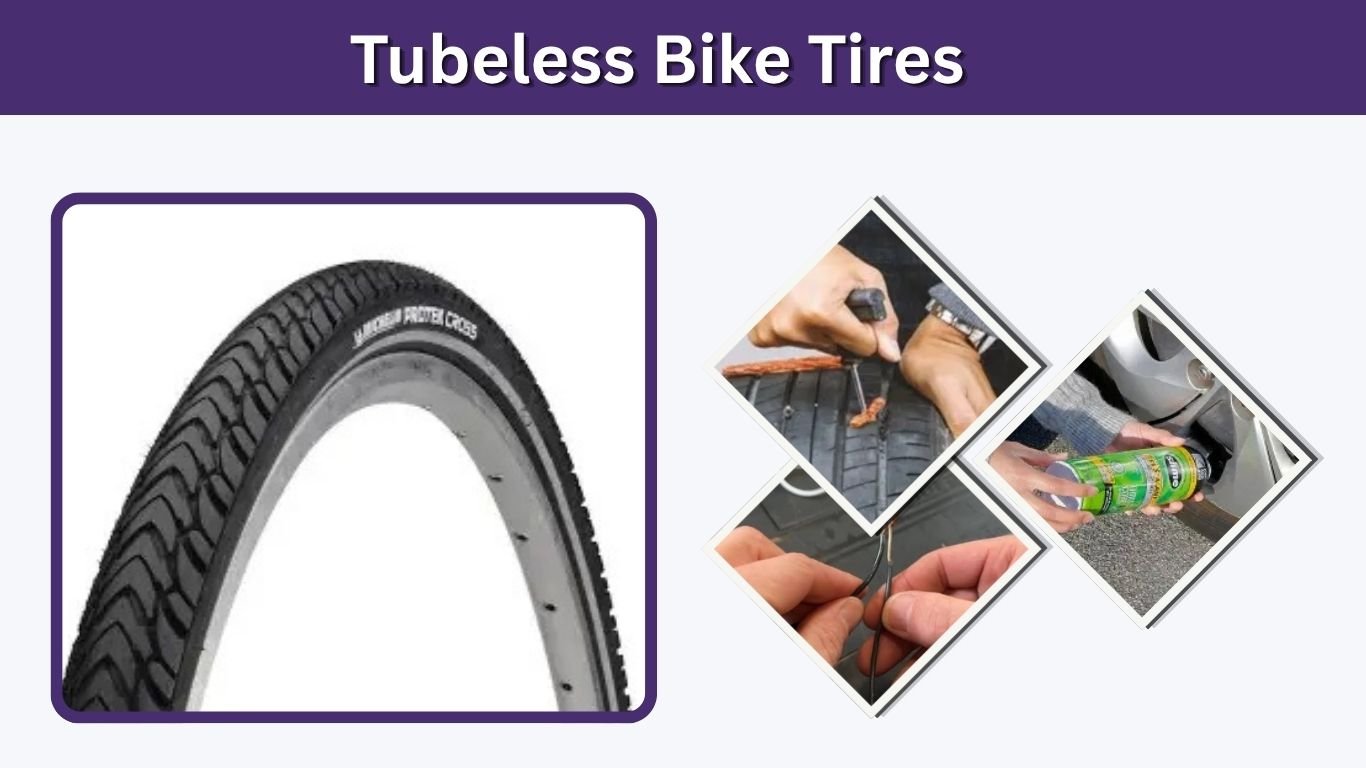
Tubeless bike tires are becoming popular among road cyclists, mountain bikers, gravel riders, and everyday bike users. Instead of using an inner tube, these tires seal directly against the rim and use liquid sealant to close small punctures while riding. Many riders choose tubeless tires for better puncture protection, smoother handling, and the ability to run lower tire pressure. However, they also need proper setup, maintenance, and repair knowledge.
What Are Tubeless Bike Tires?
Tubeless bike tires are bicycle tires designed to work without a traditional inner tube. The tire, rim tape, valve stem, and sealant work together to create an airtight system.
In a normal tube tire setup, the inner tube holds the air. In a tubeless setup, the tire itself holds the air, while liquid sealant helps block small holes caused by thorns, glass, or sharp debris.
How Tubeless Bike Tires Work
A tubeless tire sits tightly on a tubeless-ready rim. The rim is sealed with rim tape, and a special valve is installed. After that, liquid sealant is added inside the tire.
When air is pumped in, the tire bead locks against the rim. If a small object punctures the tire, sealant quickly moves toward the hole and dries there, reducing air loss.
Main Parts of a Tubeless Setup
- Tubeless-ready tire
- Tubeless-compatible rim
- Tubeless rim tape
- Tubeless valve stem
- Tire sealant
- Floor pump, tubeless pump, or air compressor
Tubeless Bike Tires vs Tube Tires
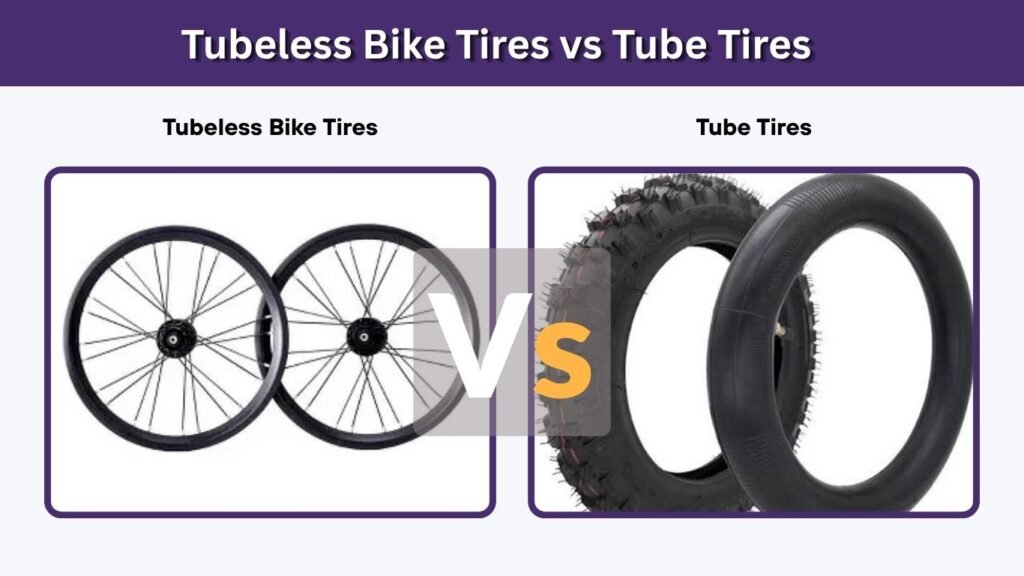
Many cyclists compare tubeless bike tires vs tube tires before upgrading. Both systems work, but they offer different riding experiences.
| Feature | Tubeless Bike Tires | Tube Bike Tires |
| Inner tube | Not required | Required |
| Puncture protection | Better for small holes | Lower protection |
| Ride comfort | Usually smoother | Can feel firmer |
| Tire pressure | Can run lower pressure | Usually needs higher pressure |
| Setup | More difficult | Easier |
| Maintenance | Needs sealant checks | Simple tube replacement |
Tubeless tires are usually better for riders who want fewer small punctures and more comfort. Tube tires are still good for beginners, casual riders, and people who prefer simple repairs.
Benefits of Tubeless Bike Tires
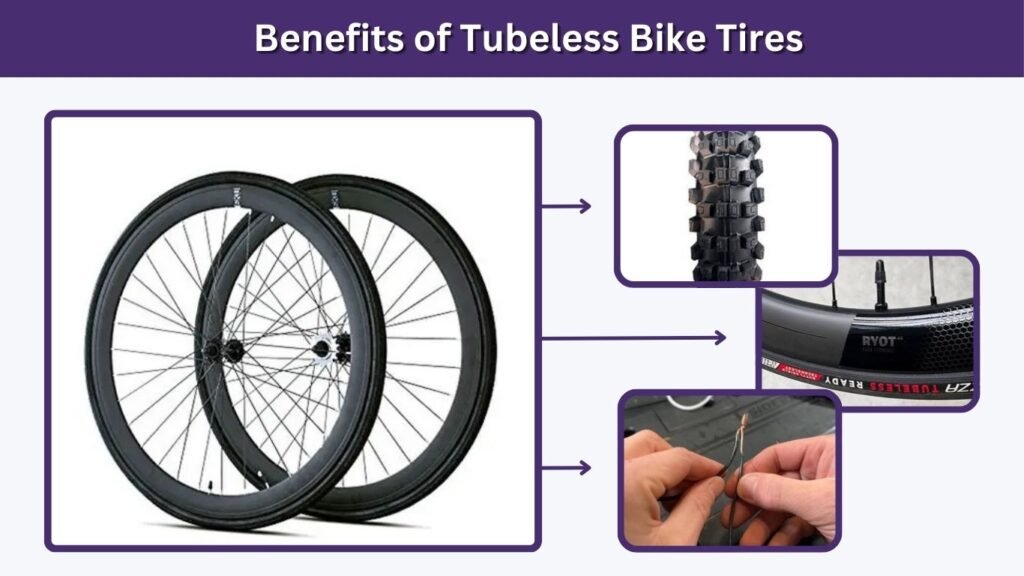
Tubeless tires offer several practical advantages, especially for riders who often deal with flats or rough surfaces.
Better Puncture Protection
One of the biggest benefits of tubeless bike tires is automatic sealing. Small holes from thorns, tiny wires, and glass can often seal while you continue riding.
This does not mean tubeless tires never go flat. Large cuts, sidewall damage, or dry sealant can still cause problems. However, for everyday punctures, tubeless tires are often more reliable than tubes.
Lower Tire Pressure
Tubeless tires allow riders to use lower air pressure without getting pinch flats. A pinch flat happens when a tube is squeezed between the rim and tire. Since tubeless tires do not use tubes, this problem is greatly reduced.
Lower tire pressure can improve:
- Comfort
- Grip
- Control
- Traction on loose ground
- Stability on rough roads
Smoother Ride Quality
Many riders feel that tubeless bike tires roll more smoothly. The tire can flex better without a tube inside. This can make the bike feel more comfortable on gravel, trails, broken pavement, and long rides.
Tubeless Mountain Bike Tires
Tubeless mountain bike tires are very common because mountain biking includes rocks, roots, dirt, and sharp trail debris. Riders often need strong grip and puncture protection.
Mountain bike tubeless tires are useful because they allow lower pressure, which helps the tire grip uneven ground. This improves control when climbing, cornering, or riding downhill.
Tubeless Mountain Bike Tire Pressure
Tire pressure depends on rider weight, tire width, terrain, and riding style. Many mountain bikers use lower pressure than road cyclists because wide tires provide more air volume.
General MTB pressure range:
| Riding Type | Common Pressure Range |
| Cross-country | 22–30 PSI |
| Trail riding | 20–28 PSI |
| Enduro/downhill | 18–26 PSI |
| Heavy riders | Slightly higher PSI |
| Wet or loose trails | Slightly lower PSI |
These numbers are only a starting point. Riders should adjust pressure based on comfort, grip, and rim protection.
Tubeless Road Bike Tires
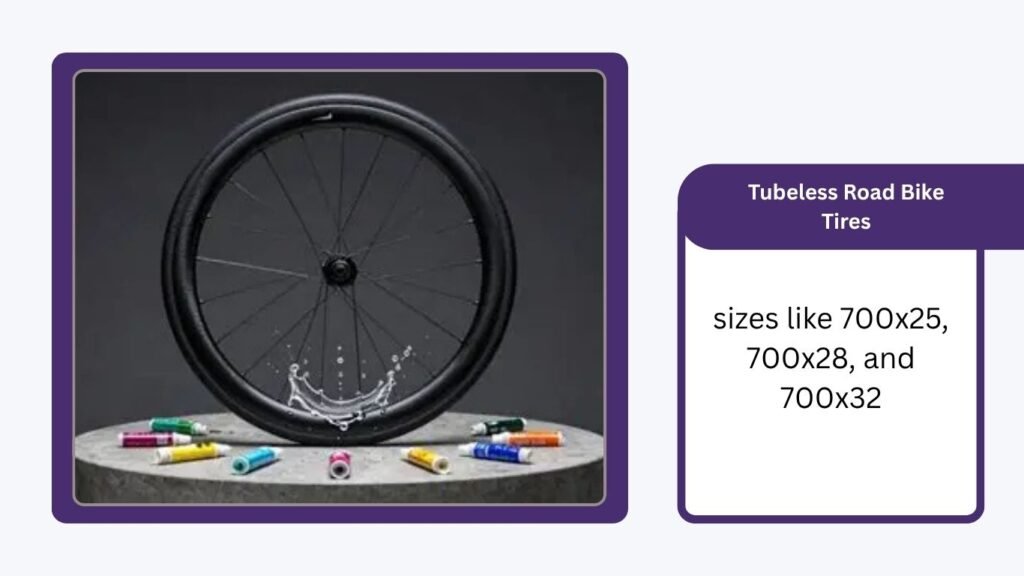
Tubeless road bike tires are designed for paved roads, speed, and comfort. Many road cyclists use 700c tubeless tires, especially in sizes like 700×25, 700×28, and 700×32.
Road tubeless tires can reduce small punctures and improve comfort on rough pavement. They also let riders use slightly lower pressure than traditional tube setups.
However, road tubeless setup can be more sensitive because road tires use higher pressure. The tire and rim must be compatible, and the bead must seat correctly.
Tubeless Bike Tire Sealant
Tubeless bike tire sealant is a liquid placed inside the tire. It is one of the most important parts of the system because it seals small punctures.
Sealant does not last forever. It slowly dries over time, especially in hot weather or dry climates. Most riders check or replace sealant every few months.
How Much Sealant Do You Need?
- Road bike tire: about 30–60 ml
- Gravel bike tire: about 60–90 ml
- Mountain bike tire: about 90–120 ml
- Fat bike tire: often 120 ml or more
Always check the tire and sealant brand recommendation. Bigger tires usually need more sealant.
How to Inflate a Tubeless Bike Tire
Inflating a tubeless bike tire can be easy or difficult depending on the tire and rim fit. Some tires seat with a normal floor pump, while others need a strong burst of air.
Basic steps:
- Install tubeless rim tape correctly.
- Insert the tubeless valve stem.
- Mount the tire on the rim.
- Add sealant through the valve or before fully closing the tire.
- Pump air quickly until the tire bead seats.
- Shake and rotate the wheel to spread sealant.
- Check for leaks around the bead and valve.
If the tire will not seat, remove the valve core for faster airflow or use a tubeless pump or compressor.
How to Repair a Tubeless Bike Tire
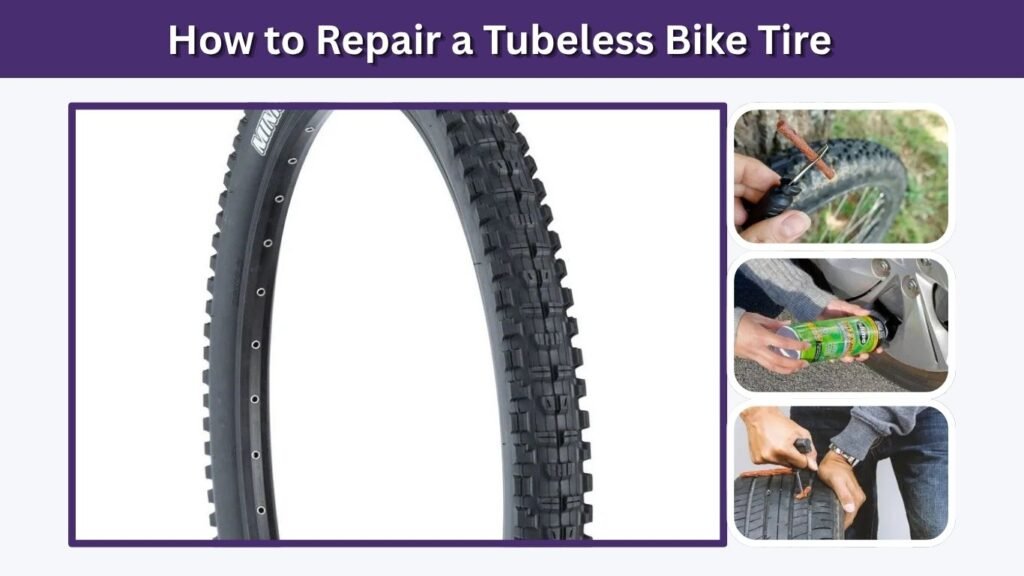
Tubeless tires can seal small holes automatically, but larger punctures may need repair. Carrying a tubeless bike tire repair kit is helpful, especially for mountain, gravel, and long-distance road rides.
Common Tubeless Repair Options
- Tire plug for medium punctures
- Extra sealant for dry tires
- Patch for bigger damage
- Boot patch for sidewall cuts
- Spare tube for emergency repair
If the hole is too large for sealant, insert a tire plug. If the tire still loses air, installing a tube may be the safest way to finish the ride.
Are Tubeless Bike Tires Better?
Tubeless bike tires are better for many riders, but not everyone needs them. They are a strong choice for mountain bikers, gravel riders, road cyclists who ride long distances, and anyone who wants fewer small flats.
They may not be ideal for riders who want the simplest setup possible. Tubeless systems need sealant maintenance, proper installation, and occasional troubleshooting.
Choose tubeless bike tires if you want:
- Fewer small punctures
- Better comfort
- Lower tire pressure
- More grip
- Better performance on rough surfaces
Stay with tube tires if you want:
- Simple setup
- Easy roadside tube changes
- Lower initial cost
- Less maintenance
FAQs
What is a tubeless bike tire?
A tubeless bike tire is a tire that works without an inner tube. It seals directly to the rim and uses liquid sealant inside. The sealant helps close small punctures while riding, which can reduce flats and improve reliability.
Do tubeless bike tires still get flats?
Yes, tubeless bike tires can still get flats. Small holes often seal automatically, but large cuts, sidewall tears, dry sealant, or poor installation can cause air loss. Carrying plugs, sealant, and a spare tube is still recommended.
How often should I add sealant to tubeless bike tires?
Most riders check tubeless sealant every two to four months. In hot or dry conditions, sealant may dry faster. If the tire starts losing air often, it may need more sealant or a full refresh.
Can I use tubeless tires on any bike rim?
No, you should use tubeless tires with tubeless-ready rims. The rim must hold the tire bead securely and seal properly with rim tape. Using tubeless tires on the wrong rim can cause leaks or unsafe tire seating.
Are tubeless road bike tires worth it?
Tubeless road bike tires are worth it for riders who want better puncture protection and more comfort on long rides. They can be harder to install than tube tires, but many road cyclists like the smoother ride and reduced flat risk.