
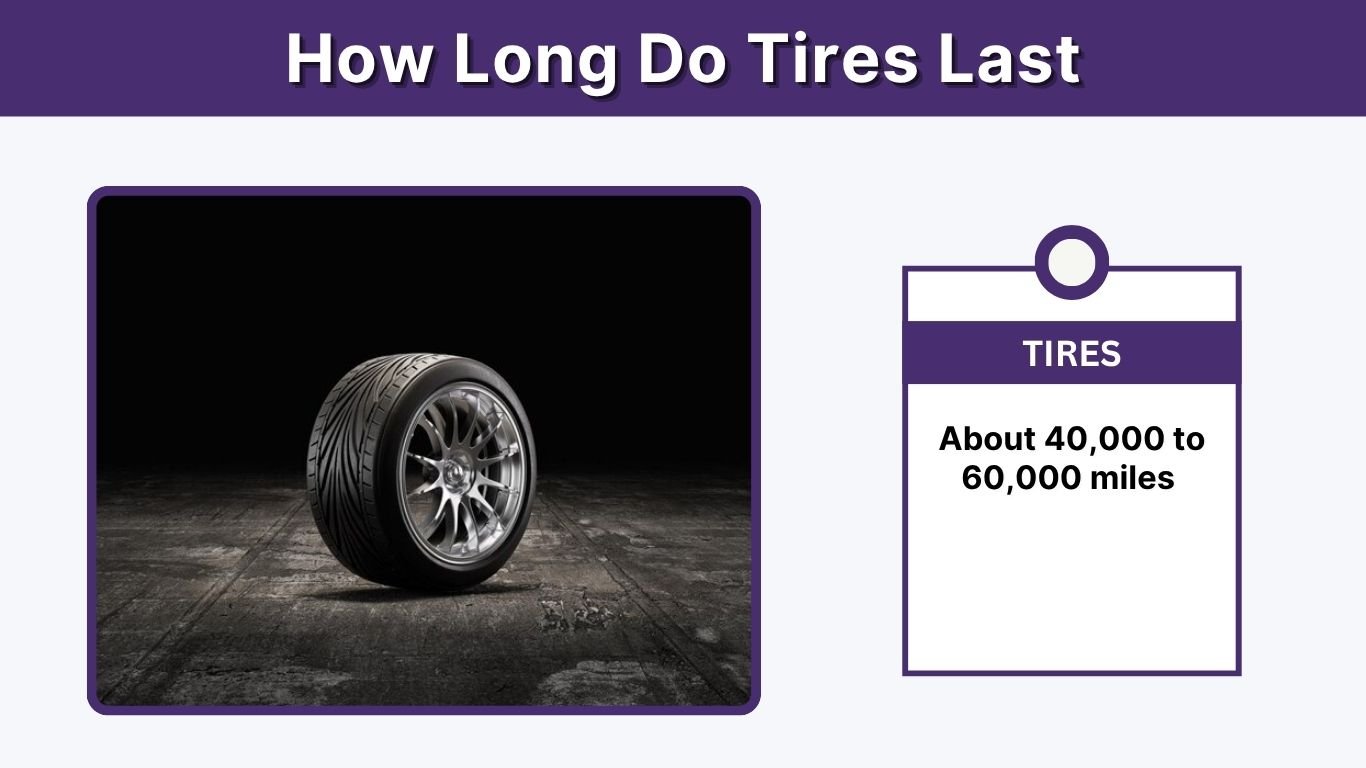
Most car tires last about 40,000 to 60,000 miles, or approximately three to five years under normal driving conditions. However, tire life varies considerably. Driving style, road quality, climate, tire type, vehicle weight, inflation pressure, alignment, and maintenance can all shorten or extend their usable life.
Mileage is not the only consideration. Tires continue to age even when a vehicle is rarely driven or remains in storage. Therefore, every tire should be judged by its age, tread depth, physical condition, and performance—not by mileage alone.
How Long Do Car Tires Typically Last?
A normal set of passenger-car tires often provides between 40,000 and 60,000 miles of service. Premium touring tires may last longer, while performance, off-road, and soft-compound tires may wear out considerably sooner.
| Tire type | Approximate lifespan |
| All-season tires | 40,000–70,000 miles |
| Summer performance tires | 20,000–40,000 miles |
| Winter tires | 25,000–40,000 miles |
| All-terrain tires | 40,000–60,000 miles |
| Motorcycle tires | 3,000–15,000 miles |
| Bicycle tires | 1,000–5,000 miles |
| Trailer or RV tires | Commonly 3–6 years |
These are general estimates rather than guaranteed replacement schedules. A tire should be replaced sooner when it develops unsafe damage, insufficient tread, vibration, cracking, or uneven wear.
How Long Do New Tires Last?
New tires usually last between three and five years when driven regularly and maintained correctly. Mileage warranties may range from around 30,000 miles for certain performance tires to 80,000 miles or more for some touring models.
A mileage warranty does not mean the tire will automatically remain safe for that distance. It usually depends on maintaining proper inflation, completing scheduled rotations, keeping service records, and preventing alignment-related wear.
How Long Do Factory Tires Last?
Original-equipment or factory tires commonly last around 30,000 to 50,000 miles. Some new vehicles are fitted with tires selected to improve handling, comfort, efficiency, or road noise rather than maximize tread life.
The tires supplied with performance cars and heavy electric vehicles may wear faster than replacement touring tires. Always match or exceed the vehicle manufacturer’s required load index, speed rating, and size when replacing them.
How Long Do Tires Last in Years?
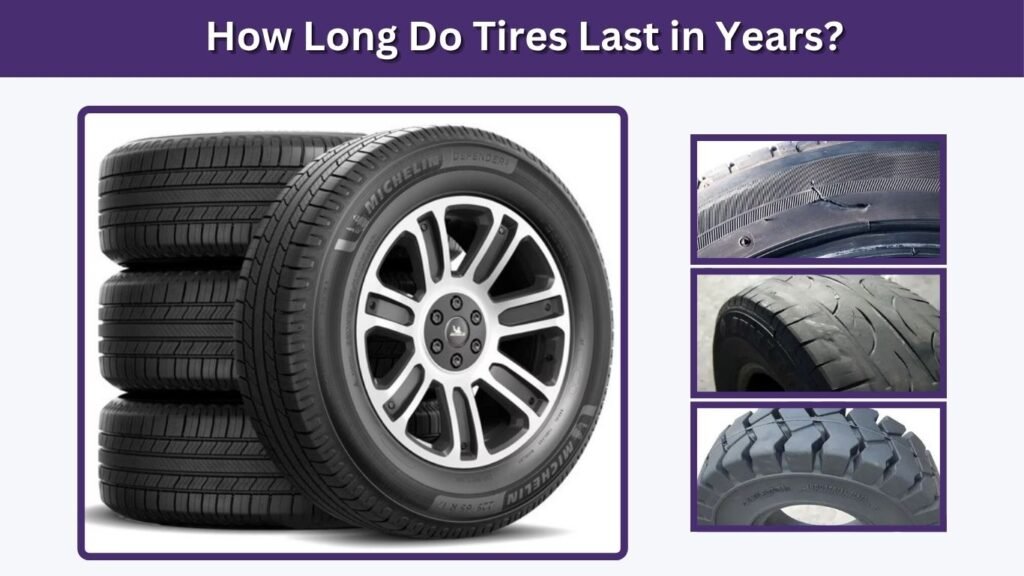
There is no single age at which every tire suddenly becomes unsafe. Rubber aging depends on heat, sunlight, humidity, storage, maintenance, and construction.
Some vehicle and tire manufacturers recommend replacement between six and ten years of age, even when tread remains. Tires should receive closer professional inspections as they get older because internal deterioration may not be visible from the outside.
Do Low-Mileage Tires Last Longer?
Low mileage can preserve tread, but it does not stop aging. A vehicle driven only on weekends may have deep tread after several years, yet its tires can still develop:
- Sidewall cracking
- Flat spots
- Hardened rubber
- Bead deterioration
- Internal separation
- Loss of wet-weather grip
Unused tires should be evaluated according to their manufacturing date and condition, not the date they were installed. Tires stored for several years should be inspected before use, and age should be calculated from the manufacturing date.
How to Check a Tire’s Age
Look for the Tire Identification Number on the sidewall. Its final four digits normally show the manufacturing week and year.
For example:
2524
This indicates that the tire was manufactured during the 25th week of 2024.
The full date code may appear on only one side of the tire. You might need to inspect the inward-facing sidewall to find it.
What Causes Tires to Wear Out Faster?
Two drivers using the same tire model can receive very different mileage. The following factors have a major effect on tire life.
Incorrect Tire Pressure
Underinflation causes excessive flexing and heat buildup while accelerating wear along the outer edges. Overinflation can reduce the contact area and increase wear near the center of the tread.
Check tire pressure when the tires are cold and use the pressure shown on the vehicle’s door placard. Do not use the maximum pressure printed on the tire sidewall as the normal inflation target.
Poor Wheel Alignment
Incorrect alignment can cause rapid wear on one shoulder of the tire or produce a feathered tread pattern. A badly misaligned vehicle may destroy a relatively new tire in only a few thousand miles.
Have the alignment inspected when the vehicle pulls to one side, the steering wheel sits off-center, or uneven wear appears.
Aggressive Driving
Fast acceleration, hard cornering, sudden braking, and high-speed driving generate additional heat and friction. These habits are especially damaging to performance tires, motorcycle tires, and tires fitted to powerful electric vehicles.
Failure to Rotate the Tires
Front and rear tires often wear at different rates. Regular rotation distributes wear more evenly and can increase the usable life of the complete set.
Many vehicles require rotation about every 5,000 to 8,000 miles, although the correct interval depends on the vehicle and tire manufacturer. Directional tires, staggered wheel setups, and some performance vehicles may require a different rotation pattern.
Climate and Road Conditions
Extreme heat accelerates rubber aging, making tire condition especially important in hot places such as Florida and Arizona. Potholes, gravel roads, broken pavement, road debris, and frequent curb impacts can also damage the tread, belts, and sidewalls.
Cold temperatures do not eliminate aging. However, using winter tires during warm weather can cause their softer rubber compound to wear quickly.
How Long Do Different Tires Last?
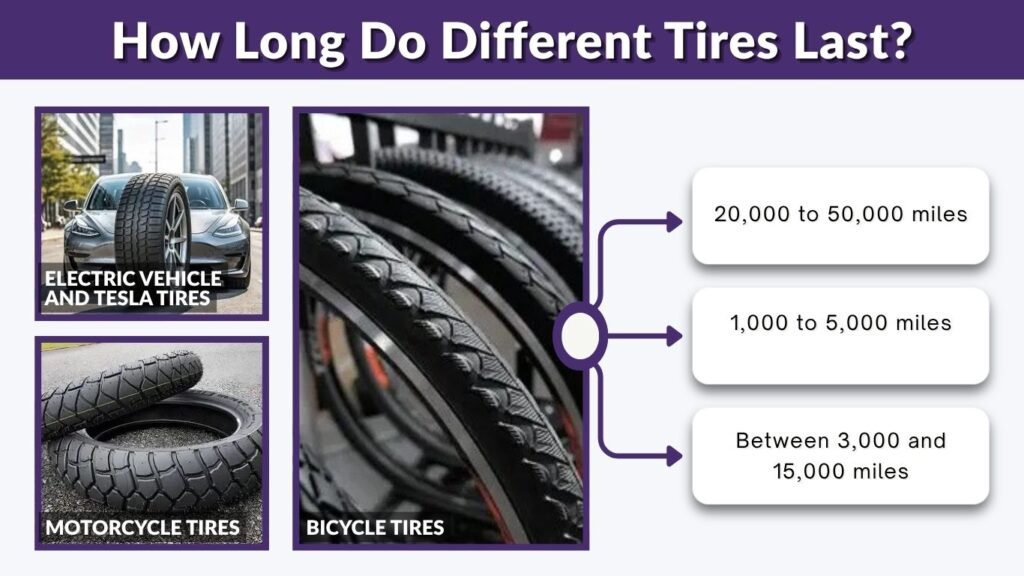
Tire construction and application strongly influence expected service life.
Electric Vehicle and Tesla Tires
EV tires may last around 20,000 to 50,000 miles, depending on the tire, vehicle, and driving style. Electric vehicles are often heavier than comparable gasoline vehicles and deliver immediate torque, which can increase tread wear.
Frequent rapid acceleration can shorten tire life considerably. Correct EV-rated load capacity, regular rotation, alignment checks, and proper inflation are particularly important.
Motorcycle Tires
Motorcycle tires commonly last between 3,000 and 15,000 miles. A sportbike’s rear tire may wear out much sooner, while touring tires used gently can last longer.
Rear tires normally wear faster because they transfer engine power to the road. Replace motorcycle tires when they reach the wear indicators or develop cracking, flat spots, puncture damage, or noticeable handling changes.
Bicycle Tires
Road and mountain bike tires often last from 1,000 to 5,000 miles. Rear tires usually wear faster than front tires.
Cuts, exposed casing, repeated punctures, damaged sidewalls, worn tread, or a squared-off profile indicate that replacement may be necessary. Mountain bike tires may need earlier replacement when their knobs become rounded or torn.
Winter and Snow Tires
Winter tires may provide three to six seasons when used only during cold months and stored correctly between seasons. Their exact life depends on annual mileage and tread loss.
Winter traction decreases before the tire becomes completely bald. Replace them when the tread no longer provides adequate snow performance, even when they remain legal for dry-road use. Tires should also not be used indefinitely merely because they are stored during summer.
Trailer, Camper, and RV Tires
Trailer and RV tires often require replacement because of age before their tread wears out. Long periods of parking, heavy loads, sunlight, underinflation, and heat buildup can cause deterioration.
Inspect them for cracking, bulges, irregular wear, and flat spots before every major trip. Do not assume a trailer tire is safe simply because it has traveled a few miles.
Spare and Donut Tires
Full-size spare tires age like the tires installed on the vehicle. Check their date code, condition, and pressure regularly.
Temporary donut tires are intended only for limited emergency use. Follow the speed and distance restrictions printed on the tire or provided in the owner’s manual. Replace a spare that is damaged, severely cracked, worn, or beyond the manufacturer’s age recommendation.
How Long Do Tire Plugs and Patches Last?
A professionally repaired tire may remain usable for the rest of its safe tread life when the puncture is small, located within the repairable tread area, and repaired according to accepted procedures.
A plug inserted from the outside without removing and inspecting the tire should generally be treated as a temporary measure. A proper permanent repair typically includes an internal patch-and-plug combination after the tire has been removed from the wheel.
Sidewall, shoulder, large, irregular, or overlapping punctures usually cannot be repaired safely. The tire should also be replaced when it was driven while severely underinflated and may have hidden internal damage.
How Long Do Run-Flat Tires Last?
During normal use, run-flat tires can have a lifespan similar to comparable conventional tires, although vehicle weight, suspension settings, and compound design affect wear.
After losing pressure, a run-flat tire allows limited driving so the driver can reach a safe location or service facility. The permitted speed and distance depend on the tire manufacturer. Driving too far or too fast can make the tire unrepairable.
Signs You Need New Tires
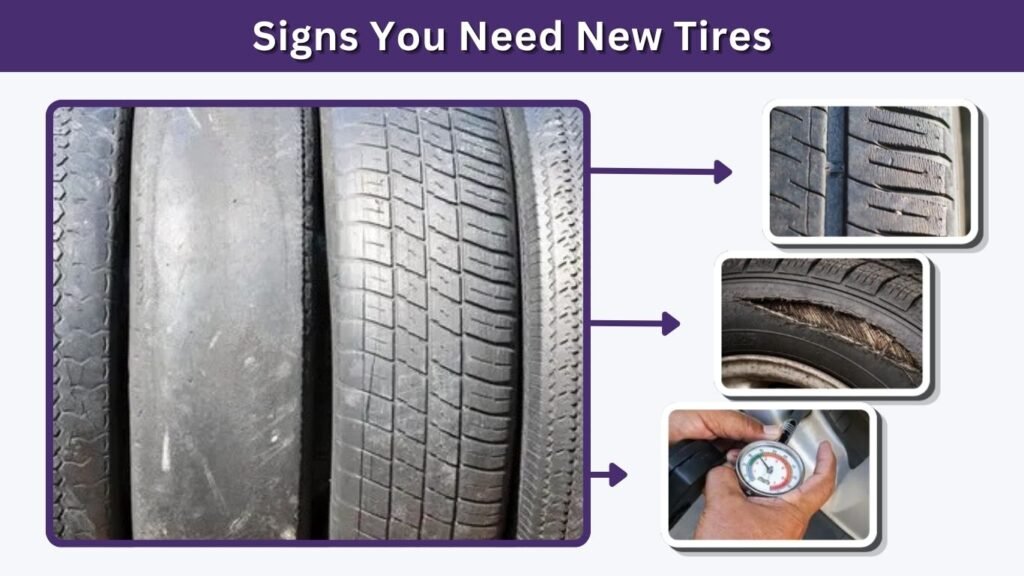
Do not wait for a specific mileage when your tires display clear warning signs.
Replace or professionally inspect a tire when you notice:
- Tread reaching the built-in wear bars
- Sidewall cracks, cuts, or exposed cords
- Bulges or bubbles
- Repeated pressure loss
- Uneven or scalloped tread wear
- Persistent vibration
- Belt or tread separation
- Poor wet-road grip
- Damage caused by an impact
- Excessive age
In the United States, passenger tires are considered worn out when tread depth reaches 2/32 inch. However, wet and snow performance can decline before reaching that minimum.
How to Make Tires Last Longer
Maintain the pressure listed by the vehicle manufacturer and check it at least monthly. Rotate the tires at the recommended interval, inspect alignment when uneven wear develops, and avoid overloading the vehicle.
Smooth acceleration and braking also reduce wear. Keep unused seasonal tires in a cool, dry, dark location away from sunlight, heat sources, petroleum products, and electric motors that may produce ozone.
FAQs
How long do most car tires last?
Most car tires last approximately 40,000 to 60,000 miles or three to five years. Actual lifespan depends on the tire model, vehicle, road conditions, climate, maintenance, and driving habits. Replace them sooner when tread, damage, or performance indicates they are unsafe.
Can tires last 10 years?
A tire may still have tread after ten years, but that does not mean it is safe. Aging can weaken rubber and internal components. Follow the vehicle and tire manufacturer’s instructions, arrange professional inspections as the tires age, and do not exceed the applicable replacement limit.
How long do tires last if you barely drive?
Low-mileage tires may retain tread for years, but rubber continues aging while the vehicle is parked. Heat, sunlight, moisture, and extended storage can cause cracking or hardening. Check the manufacturing date and have older tires inspected even when they look lightly used.
Do expensive tire brands last longer?
Not automatically. Lifespan depends more on the specific tire model, tread compound, performance category, maintenance, and driving conditions than the brand name alone. Compare treadwear warranties and intended use rather than assuming every premium tire will outlast a less expensive option.
Should I replace all four tires together?
Replacing all four provides the most consistent grip and handling. It may be especially important for AWD and 4WD vehicles that require closely matched tread depths. When replacing only two, follow the vehicle and tire manufacturer’s instructions regarding placement and compatibility.