
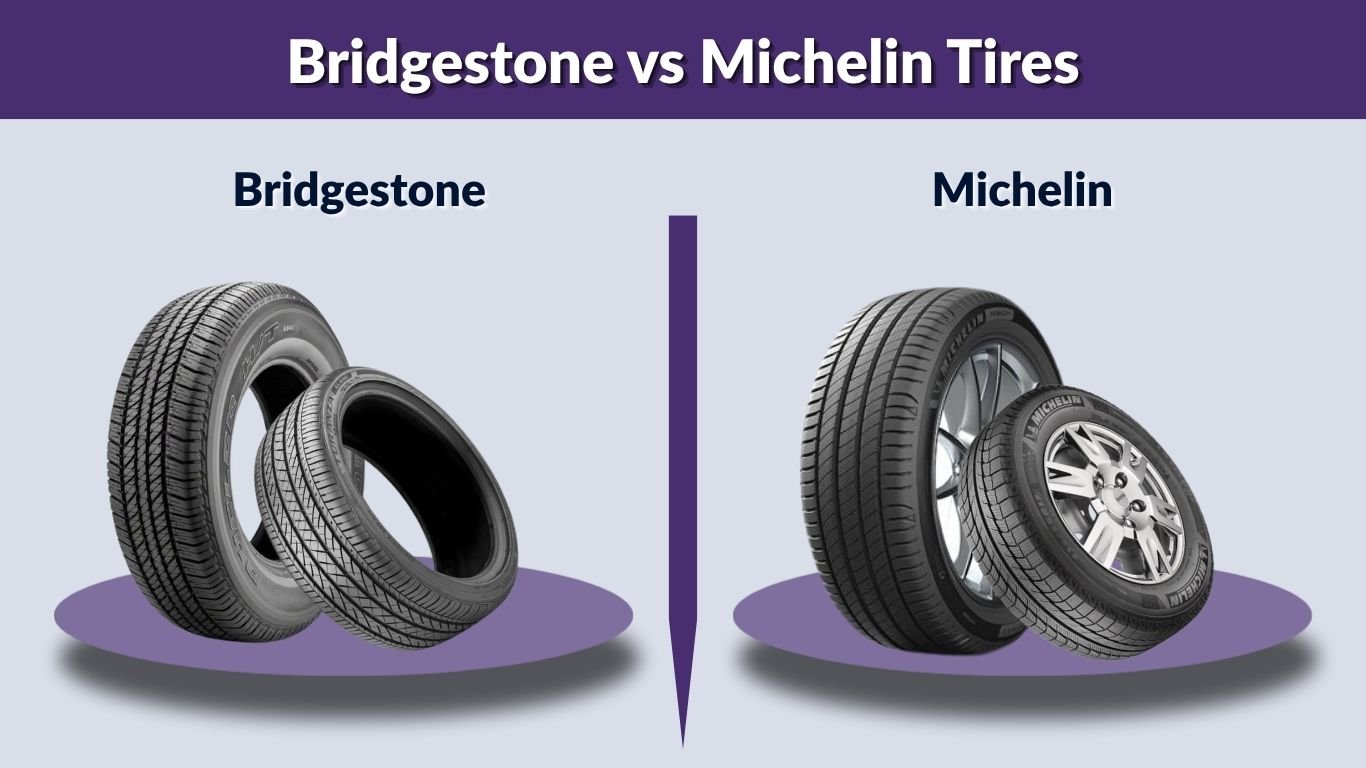
Choosing between Bridgestone and Michelin can be difficult because both brands are known for producing high-quality tires for cars, SUVs, trucks, and performance vehicles. Drivers often compare them for comfort, durability, winter performance, and long-term value.
While Michelin is widely recognized for premium comfort and long tread life, Bridgestone is popular for sporty handling and excellent winter traction. In this guide, we compare both brands across major categories to help you decide which tire brand fits your driving needs best.
Bridgestone vs Michelin Tires Quick Comparison
Both tire brands compete in the premium market, but they focus on slightly different strengths. Michelin generally leads in comfort and longevity, while Bridgestone often stands out in handling and winter performance.
Comparison Table
| Feature | Bridgestone | Michelin |
| Ride Comfort | Very Good | Excellent |
| Tread Life | Good | Excellent |
| Winter Performance | Excellent | Very Good |
| Wet Grip | Excellent | Excellent |
| Road Noise | Moderate to Low | Very Low |
| Fuel Efficiency | Good | Excellent |
| Performance Driving | Excellent | Very Good |
| Average Price | Slightly Lower | Higher |
| Warranty Coverage | Good | Excellent |
| Best For | Performance & Winter Driving | Comfort & Longevity |
Brand Overview
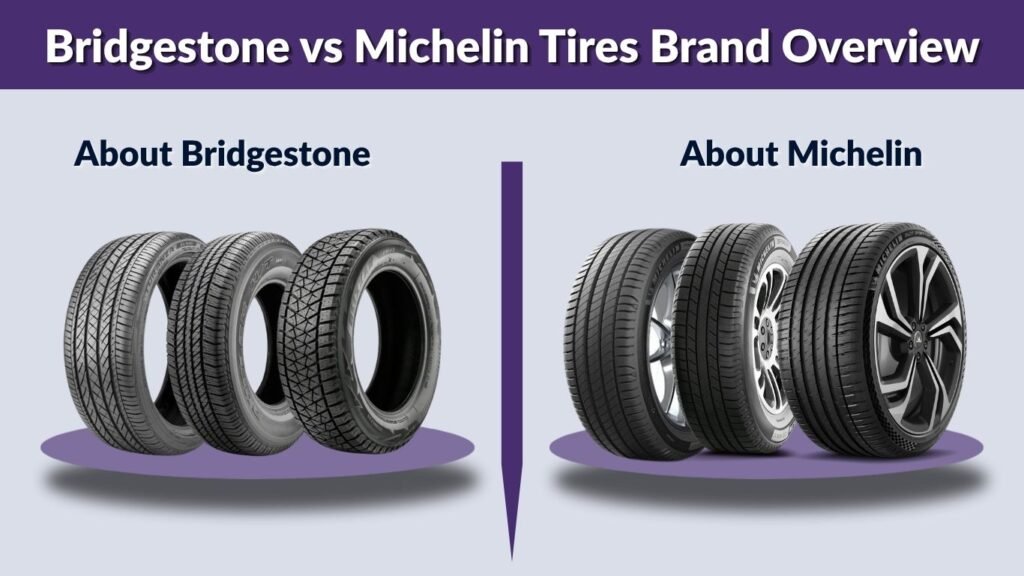
Both brands have decades of experience in tire manufacturing and are trusted globally. However, each company has developed a unique reputation in the automotive industry.
About Bridgestone
Bridgestone is a Japanese tire company and one of the largest tire manufacturers in the world. The brand is known for producing durable tires with strong grip and sporty performance. Bridgestone also owns Firestone and supplies tires for many motorsport events.
Popular Bridgestone tire lines include:
- Turanza
- Dueler
- Blizzak
- Potenza
- WeatherPeak
Bridgestone tires are especially popular among drivers looking for confident handling and reliable winter traction.
About Michelin
Michelin is a French tire manufacturer famous for premium-quality tires focused on comfort, fuel efficiency, and long tread life. Michelin consistently ranks highly in customer satisfaction surveys because of its quiet ride quality and durability.
Popular Michelin tire lines include:
- Defender
- Primacy
- Pilot Sport
- CrossClimate 2
- X-Ice
Michelin tires are often more expensive, but many drivers believe the longer lifespan justifies the higher price.
Bridgestone vs Michelin Tire Performance
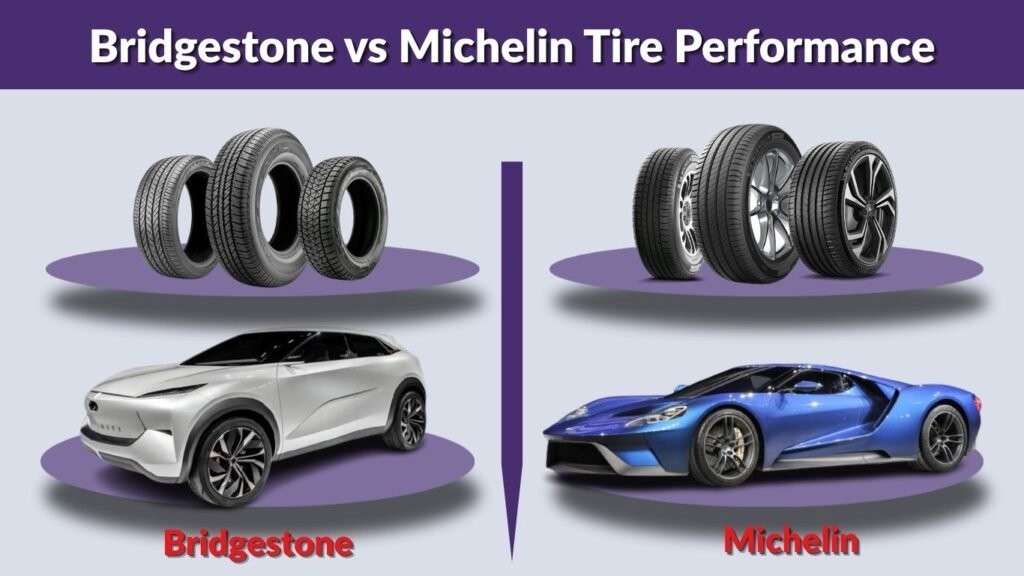
Performance is one of the biggest factors when choosing tires. Both brands perform well overall, but there are some noticeable differences depending on driving conditions.
Dry Road Performance
Bridgestone tires are often praised for sporty steering response and cornering stability. Models like the Potenza series provide strong grip during aggressive driving and highway cruising.
Michelin tires also perform exceptionally well on dry roads, especially the Pilot Sport lineup. However, Michelin tends to prioritize smoothness and comfort over aggressive handling.
For sports cars and spirited driving, Bridgestone may feel slightly more responsive.
Wet Road Traction
Both brands offer excellent wet traction technologies that help reduce hydroplaning and improve braking on rainy roads.
Michelin uses advanced tread compounds that maintain grip even after thousands of miles. Bridgestone also performs extremely well in wet conditions, especially with touring and all-season tire models.
In real-world driving, both brands rank among the best for wet-weather safety.
Snow and Winter Driving
Winter performance is one area where Bridgestone has built a very strong reputation. The Blizzak series is considered one of the best winter tire lines available because of its outstanding snow and ice traction.
Michelin’s X-Ice tires also perform very well in winter conditions and are known for better tread longevity compared to many snow tires.
When comparing pure snow and ice grip, many drivers give Bridgestone a slight advantage.
Ride Comfort and Noise
Michelin tires are widely regarded as some of the quietest and most comfortable tires on the market. They absorb road imperfections extremely well and produce minimal cabin noise during highway driving.
Bridgestone tires are comfortable too, but certain performance-oriented models can feel firmer and slightly louder on rough roads.
For drivers who prioritize luxury-like comfort, Michelin is usually the better option.
Tread Life and Durability
One of Michelin’s biggest advantages is long tread life. Many Michelin tires are designed to last significantly longer than average premium tires.
Bridgestone tires are durable as well, but some high-performance models may wear faster depending on driving style. If maximizing tire lifespan is your main priority, Michelin generally wins this category.
Bridgestone vs Michelin All-Season Tires
All-season tires are the most popular choice for everyday drivers because they balance comfort, traction, and longevity throughout the year.
Best Bridgestone All-Season Tires
Some of the most popular Bridgestone all-season tires include:
- Turanza QuietTrack
- WeatherPeak
- Alenza AS Ultra
- Dueler H/L Alenza Plus
These tires focus on balanced performance, wet traction, and highway comfort.
Best Michelin All-Season Tires
Michelin offers several highly rated all-season options, including:
- Defender 2
- CrossClimate 2
- Primacy Tour A/S
- Premier A/S
The CrossClimate 2 is especially popular because it combines all-season usability with strong snow performance.
Which All-Season Tire Brand Is Better?
For comfort, low road noise, and long tread life, Michelin usually leads in the all-season category. However, Bridgestone often provides slightly sharper handling and a lower purchase price.
Drivers in areas with frequent rain or mild snow may appreciate Bridgestone’s grip-focused designs, while long-distance commuters may prefer Michelin’s comfort and longevity.
Bridgestone vs Michelin Winter Tires
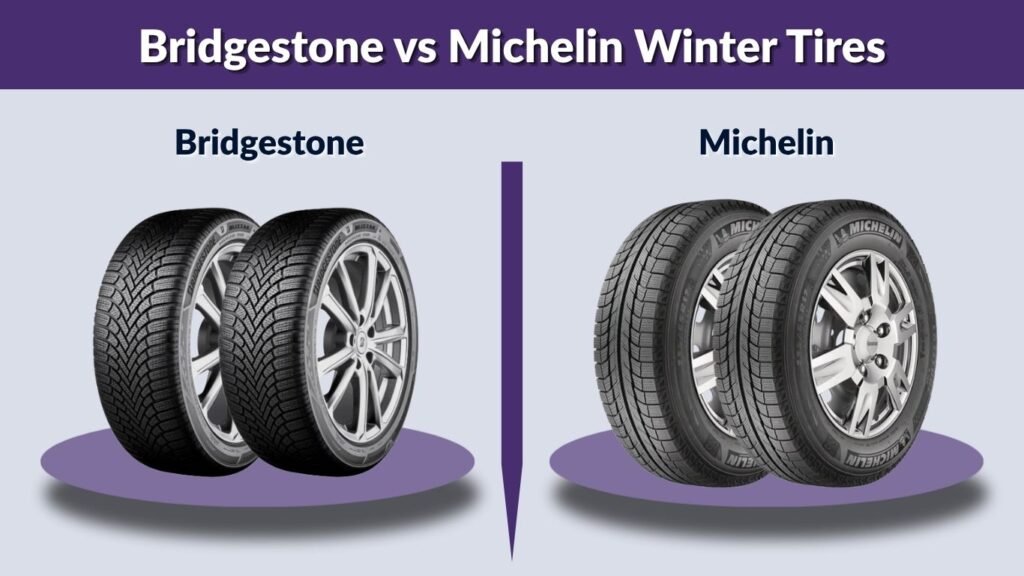
Winter tires are designed to maintain traction in snow, slush, and icy temperatures. Both Bridgestone and Michelin produce some of the best winter tires available, but they target slightly different driving preferences.
Bridgestone Blizzak Series
The Bridgestone Blizzak lineup is extremely popular for harsh winter conditions. These tires are engineered with aggressive tread patterns and advanced rubber compounds that stay flexible in freezing temperatures.
Key advantages of Blizzak tires include:
- Excellent snow traction
- Strong ice braking performance
- Confident cornering on slippery roads
- Reliable deep snow handling
Many drivers consider the Blizzak series one of the best choices for regions with severe winters.
Michelin X-Ice Series
Michelin’s X-Ice tires focus on balanced winter performance combined with durability and ride comfort. They provide dependable traction while also offering quieter highway driving than many aggressive snow tires.
Popular strengths include:
- Long tread life
- Smooth ride quality
- Low road noise
- Excellent ice control
The X-Ice series is especially appealing for drivers who spend long hours commuting during winter months.
Which Winter Tire Performs Better?
Bridgestone generally performs slightly better in extreme snow and icy conditions, while Michelin often provides a more refined and comfortable driving experience.
If you regularly drive through heavy snowfall, Bridgestone may be the stronger choice. For mixed winter conditions and daily commuting, Michelin offers excellent balance and comfort.
Bridgestone vs Michelin SUV and Truck Tires
SUV and truck owners often need tires capable of handling heavier loads, rough roads, and long highway trips. Both brands offer premium options for these vehicles.
Best SUV Tires
Popular SUV tire options include:
Bridgestone
- Alenza AS Ultra
- Dueler H/L Alenza Plus
- WeatherPeak
Michelin
- Defender LTX M/S
- Premier LTX
- CrossClimate SUV
Michelin SUV tires are known for smooth highway comfort, while Bridgestone models often emphasize handling and traction.
Best Truck Tires
Truck tires must deliver durability, towing stability, and all-weather confidence.
Popular truck tire choices include:
Bridgestone
- Dueler A/T Revo 3
- Duravis series
Michelin
- Defender LTX M/S
- Agilis CrossClimate
Michelin truck tires typically last longer, but Bridgestone tires can provide stronger off-road capability depending on the model.
Towing and Heavy Load Performance
For towing and hauling, both brands perform very well. Michelin generally provides better long-distance comfort and fuel efficiency, while Bridgestone offers excellent stability under heavy loads.
Drivers using trucks for work may appreciate Bridgestone’s rugged designs, while highway-focused truck owners may prefer Michelin’s quieter ride.
Bridgestone vs Michelin Tire Prices
Price is one of the biggest deciding factors when comparing premium tire brands.
Average Tire Cost Comparison
Michelin tires are usually more expensive than Bridgestone tires in the same category. The higher price is often linked to longer tread life and premium comfort features.
Typical pricing differences include:
- Michelin: Higher upfront cost
- Bridgestone: Slightly more affordable
The exact difference depends on tire type, size, and vehicle compatibility.
Long-Term Value Analysis
Although Michelin tires cost more initially, many drivers recover that investment through extended tread life and lower replacement frequency.
Bridgestone tires can still provide excellent value because they often deliver strong performance at a lower price point.
When evaluating total ownership cost, Michelin frequently performs better over time.
Are Michelin Tires Worth the Higher Price?
For drivers prioritizing longevity, ride comfort, and fuel efficiency, Michelin tires are often worth the premium cost.
However, Bridgestone can be the better value for drivers wanting sporty handling, winter confidence, and lower upfront pricing.
Bridgestone vs Michelin Tires at Costco
Many shoppers compare these brands while buying tires at Costco because both manufacturers are commonly available there.
Costco Tire Selection
Costco frequently carries:
Bridgestone
- Turanza
- Alenza
- WeatherPeak
Michelin
- Defender
- Primacy
- X-Ice
Availability may vary depending on season and location.
Installation and Warranty
Costco includes several installation benefits such as:
- Tire balancing
- Flat repairs
- Tire rotations
- Road hazard warranty
Both brands benefit from Costco’s strong customer service and installation packages.
Which Brand Offers Better Costco Deals?
Michelin promotions at Costco are often very popular because of the brand’s reputation for durability. Bridgestone promotions, however, may provide better short-term savings.
The best value usually depends on current seasonal discounts.
What Reddit Users Say About Bridgestone vs Michelin Tires
Online communities frequently compare these brands based on real-world driving experiences.
Common Praise for Michelin
Reddit users often praise Michelin tires for:
- Quiet highway driving
- Exceptional tread life
- Smooth comfort
- Reliable wet traction
Many drivers report keeping Michelin tires for years without major performance decline.
Common Praise for Bridgestone
Bridgestone tires are commonly praised for:
- Excellent winter grip
- Sporty steering feel
- Strong cornering stability
- Reliable all-weather traction
Performance-focused drivers often prefer Bridgestone handling characteristics.
Most Common Complaints
Common complaints include:
Michelin
- Expensive pricing
- Higher replacement cost
Bridgestone
- Faster wear on some performance models
- Slightly firmer ride quality
Pros and Cons
Both tire brands have clear strengths and weaknesses depending on driving style and climate.
Bridgestone Pros and Cons
Pros
- Excellent winter traction
- Strong sporty handling
- Competitive pricing
- Reliable wet grip
Cons
- Some models wear faster
- Slightly firmer ride quality
- Road noise can be higher on performance tires
Michelin Pros and Cons
Pros
- Outstanding tread life
- Very quiet ride
- Excellent comfort
- Strong fuel efficiency
Cons
- Higher purchase price
- Premium models can be expensive
- Fewer budget-friendly options
Which Tire Brand Should You Choose?
Bridgestone is an excellent choice for drivers who want sporty handling, confident winter traction, and strong all-weather performance at a slightly lower price.
Michelin is ideal for drivers focused on long tread life, premium comfort, low road noise, and long-term value.
Ultimately, the better tire brand depends on your climate, driving habits, vehicle type, and budget. Both brands produce high-quality tires, so choosing the right model for your specific needs matters more than choosing the brand alone.
FAQs
Are Michelin tires better than Bridgestone tires?
Michelin tires are generally considered better for comfort, low road noise, and tread life. Bridgestone tires often perform better for sporty handling and severe winter driving. The better option depends on your driving priorities and climate conditions.
Do Bridgestone tires last longer than Michelin?
In most cases, Michelin tires last longer than Bridgestone tires because they are designed with durability and long tread life in mind. However, actual lifespan depends on driving style, road conditions, and tire maintenance.
Which tire brand is better for snow?
Bridgestone is often considered slightly better for heavy snow and icy roads because of its Blizzak winter tire lineup. Michelin winter tires also perform very well but focus more on comfort and longevity.
Are Michelin tires worth the extra cost?
Many drivers believe Michelin tires are worth the higher price because they offer excellent comfort, fuel efficiency, and long-lasting tread life. Over time, the longer lifespan may offset the higher upfront cost.
Which tires are better for SUVs and trucks?
Michelin tires are typically better for highway comfort and long-distance driving, while Bridgestone tires are excellent for traction, towing stability, and rugged driving conditions. The ideal choice depends on how the SUV or truck is used.